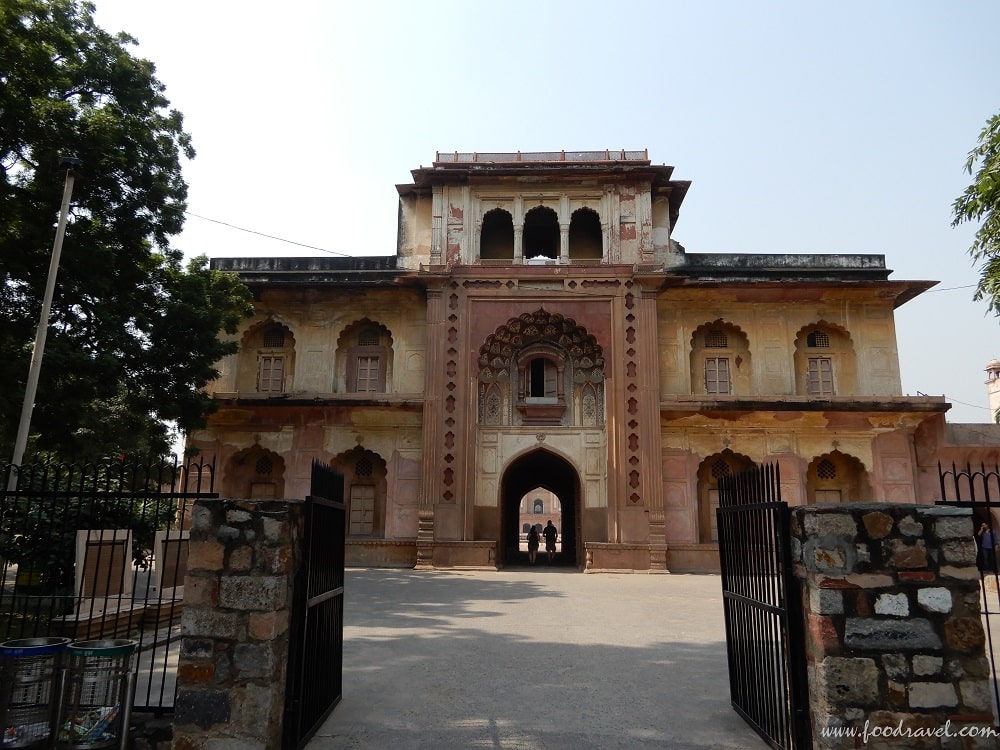
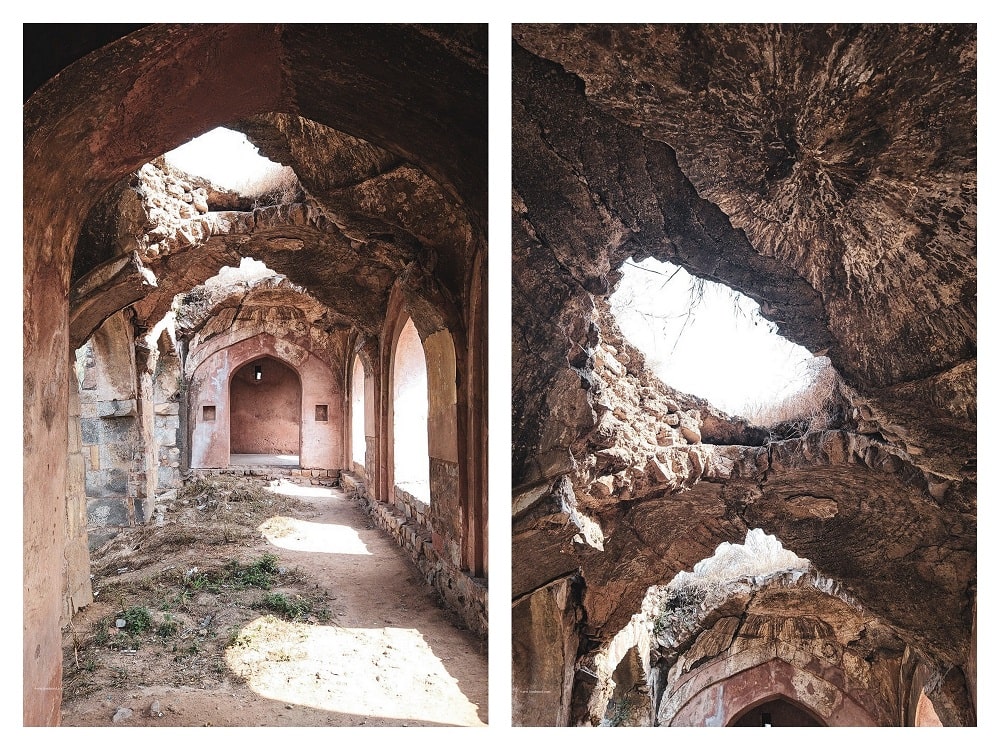
Bijai Mandal of New Delhi is one such monument, surrounded by several other historical structures, some standing in glory while others have been lost to history. Delhi lives with its past. Broken tombs, crumbling fort walls, ruined monuments and forgotten structures can be found when you take a walk across the capital city of India. On one side, you have medieval monuments that are a matter of pride and are not only maintained by the ASI but also recognised by UNESCO. On the other side, there are monuments that continue to live in ignorance, holding stories and mysteries that remain largely unknown. Built during the Tughlaq era, Bijai Mandal of New Delhi today stands in a completely ruined condition, and not many people know about it, not even in Delhi.
Read Here – Chor Minar Hauz Khas

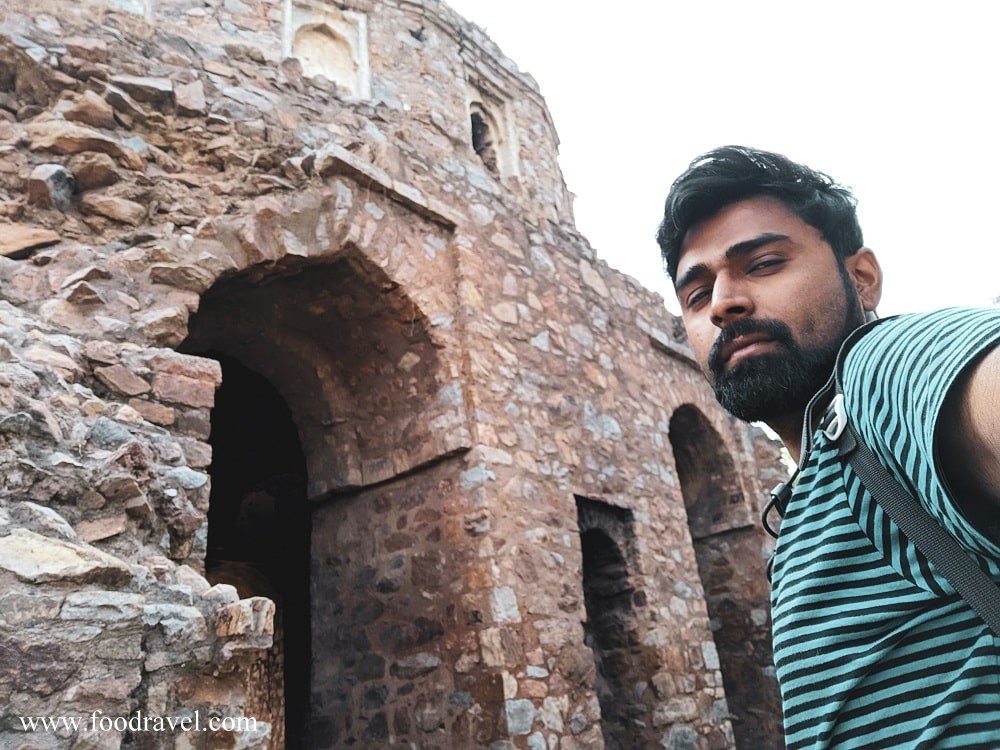
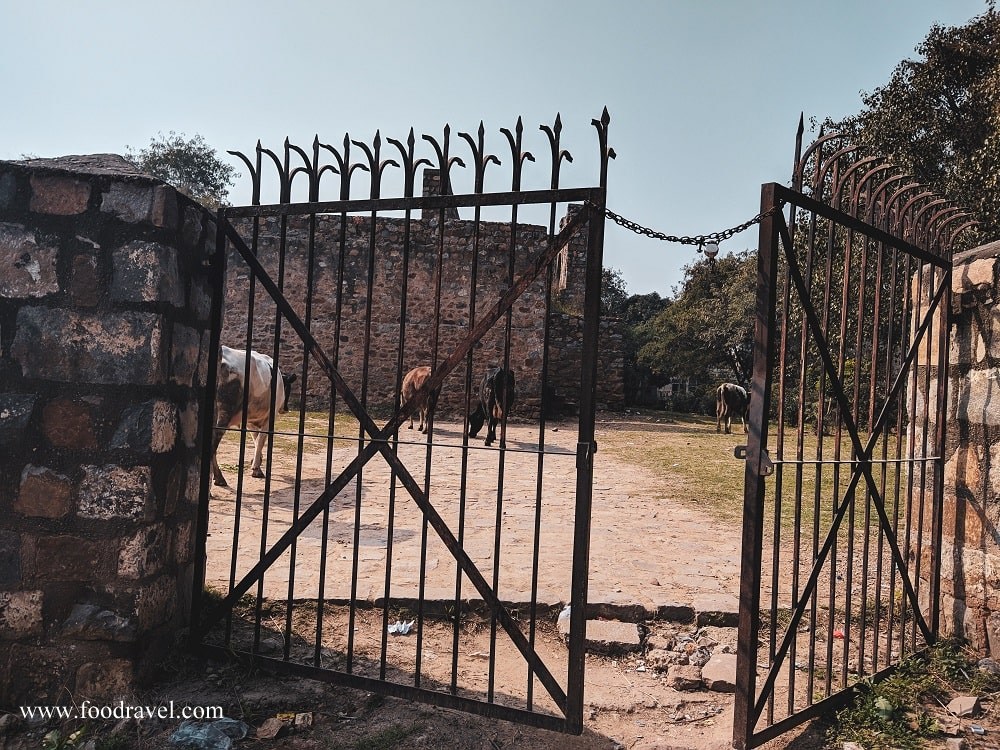
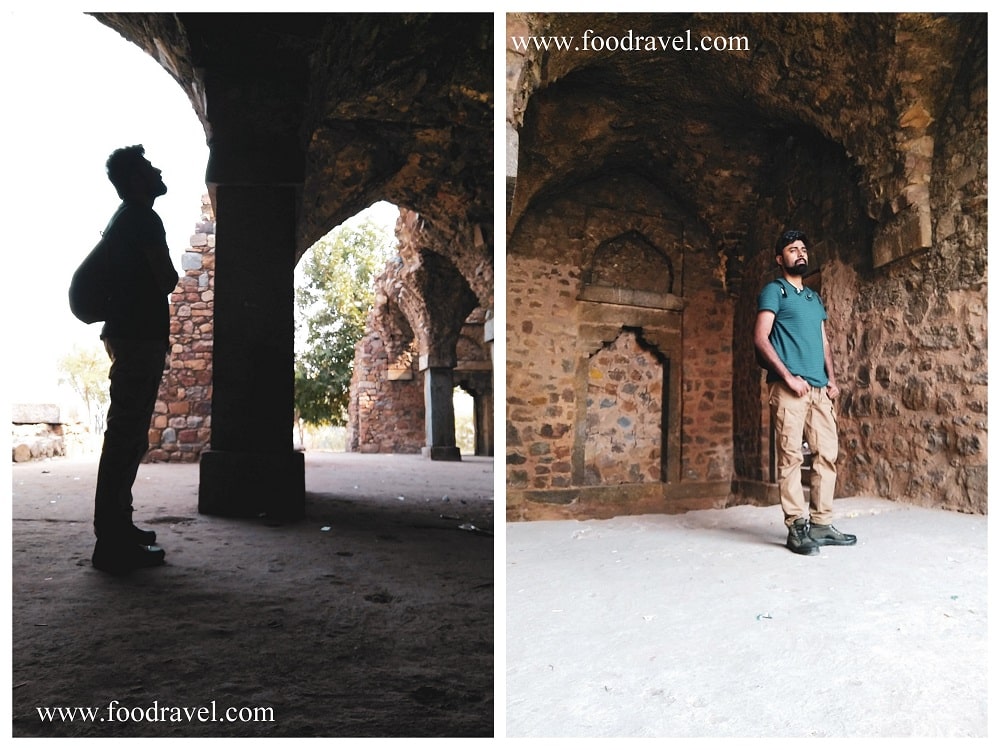
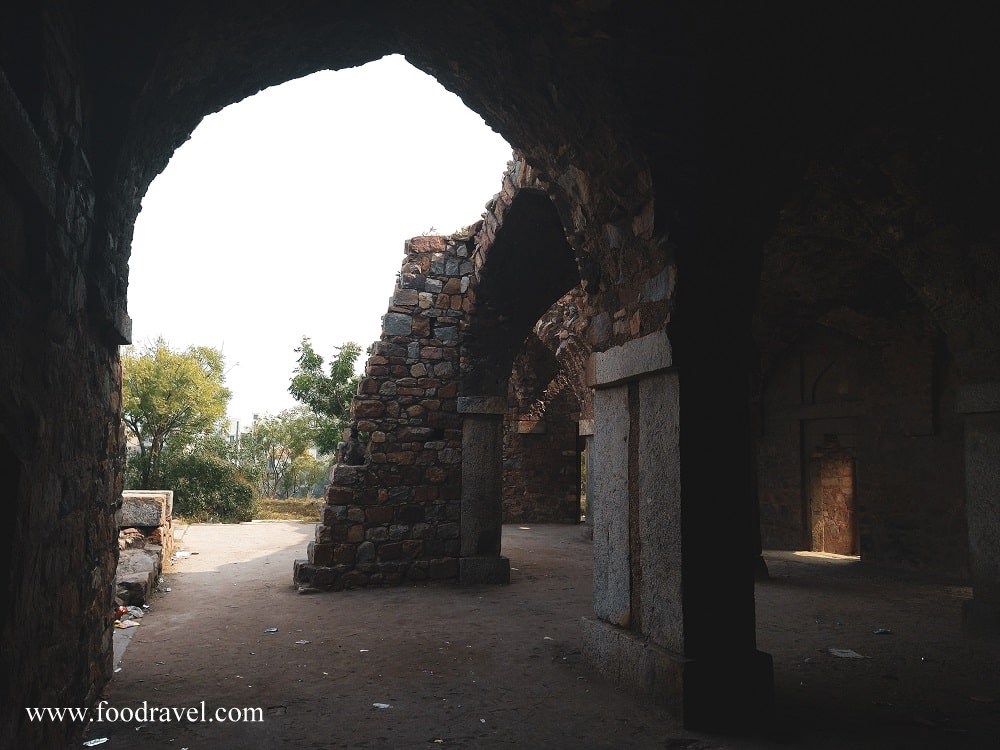
Delhi was ruled by the Mughals for centuries before the British came, and many of the monuments associated with these periods still stand today. But the city also has monuments from the Tughlaq era that now survive in weathered, broken and ruined conditions across Delhi. Bijai Mandal in New Delhi is located near Begumpur Mosque, both of which are associated with the medieval city of Jahanpanah established by Muhammad bin Tughlaq in 1326–27. I took a walk to Bijai Mandal from the mosque and explored its every corner. Today, the monument is surrounded by houses and other urban development, much like the surviving ruins of Jahanpanah scattered across South Delhi. When I visited, I saw a security guard at the monument, but I also saw people smoking weed inside, giving me a firsthand view of how the site was being used at the time.


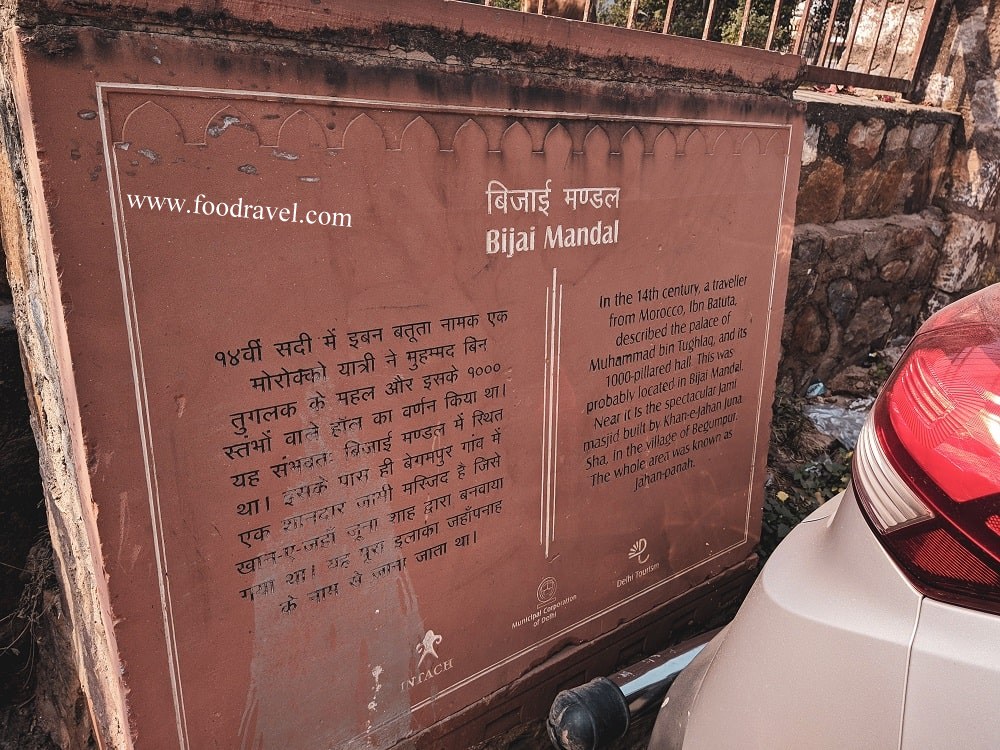
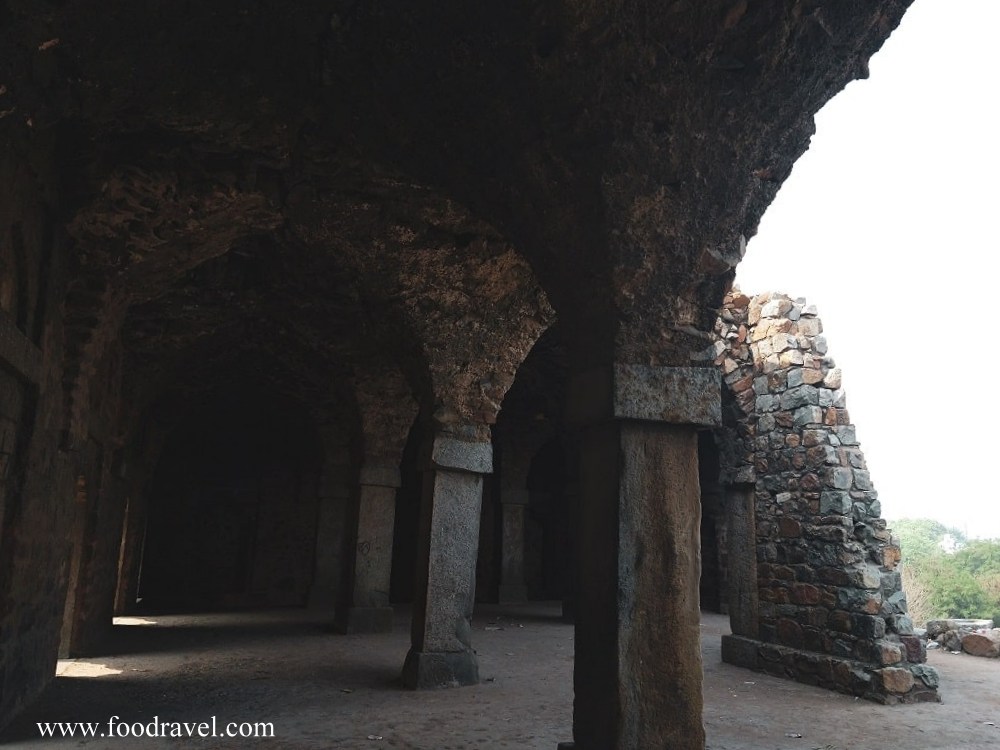
Delhi holds immense historical and cultural significance, and monuments like Bijai Mandal are part of what makes the city so fascinating. Yet, many of these lesser-known monuments continue to weather away with limited care and attention. If they are not properly preserved, future generations may know them only through books and photographs rather than experiencing these remnants of Delhi’s history themselves. Bijai Mandal is particularly intriguing because the site is associated with the thousand-pillared hall mentioned in historical accounts of Jahanpanah, the medieval city founded by Muhammad bin Tughlaq.

A closer look at the ruins
10 Interesting Facts about Bijai Mandal
From the mysterious Palace of a Thousand Pillars to buried coins and an unusual octagonal structure, Bijai Mandal has far more stories hidden in its ruins than its neglected appearance suggests.
01 / PALACE
It may preserve the remains of Muhammad bin Tughlaq’s Palace of a Thousand Pillars
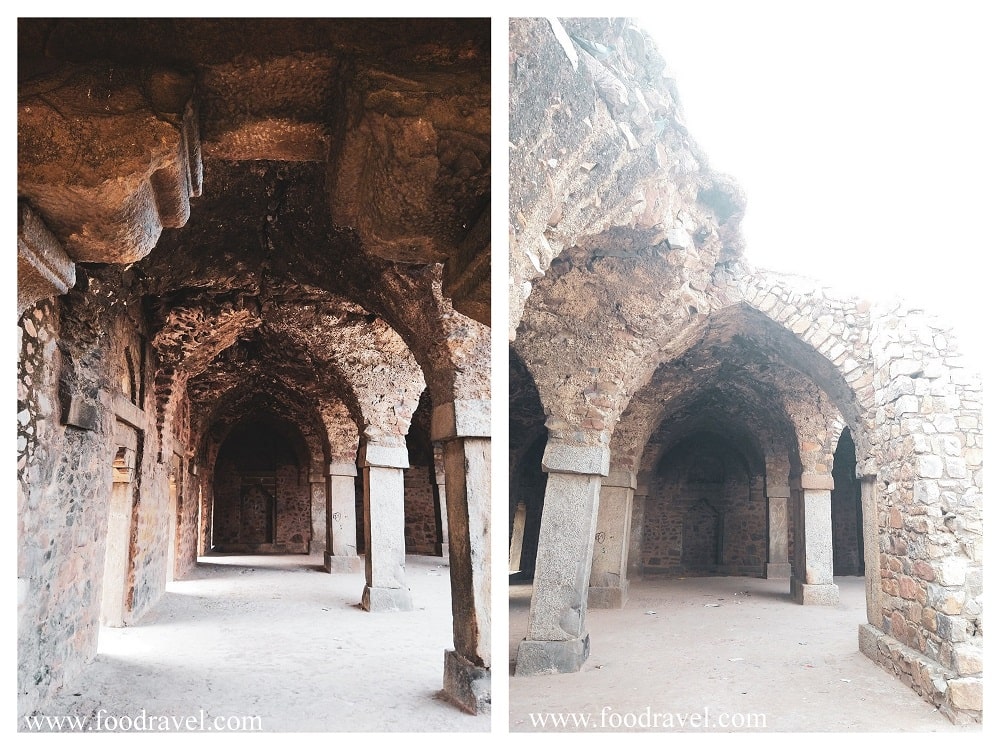
Excavations at Bijai Mandal brought to light the remains of a large pillared hall that was identified with considerable confidence with the famous Qasr-i Hazār Sutūn, or Palace of a Thousand Pillars, associated with Muhammad bin Tughlaq.
02 / EXCAVATION
Major excavations began at Bijai Mandal in 1930–31
Archaeological excavations at Bijai Mandal during 1930–31 uncovered important remains of the complex, including walls, pavements and the remains of a large pillared hall. The work helped researchers connect the ruins with the royal architecture of Jahanpanah.
03 / HALL
Excavations revealed the remains of a large pillared hall
One of the most important discoveries at the site was the remains of a large pillared hall. Archaeologists connected these remains with the Qasr-i Hazār Sutūn described in historical accounts of Muhammad bin Tughlaq's court.
04 / TREASURE
Excavations uncovered treasure wells and other remains
Archaeological work around Bijai Mandal revealed treasure wells along with structural remains such as chambers, drains, entrance ramps and other parts of the larger complex. Historical accounts and later local stories have also associated the area with buried coins and treasure.
05 / OCTAGON
The surviving upper structure has an unusual octagonal plan
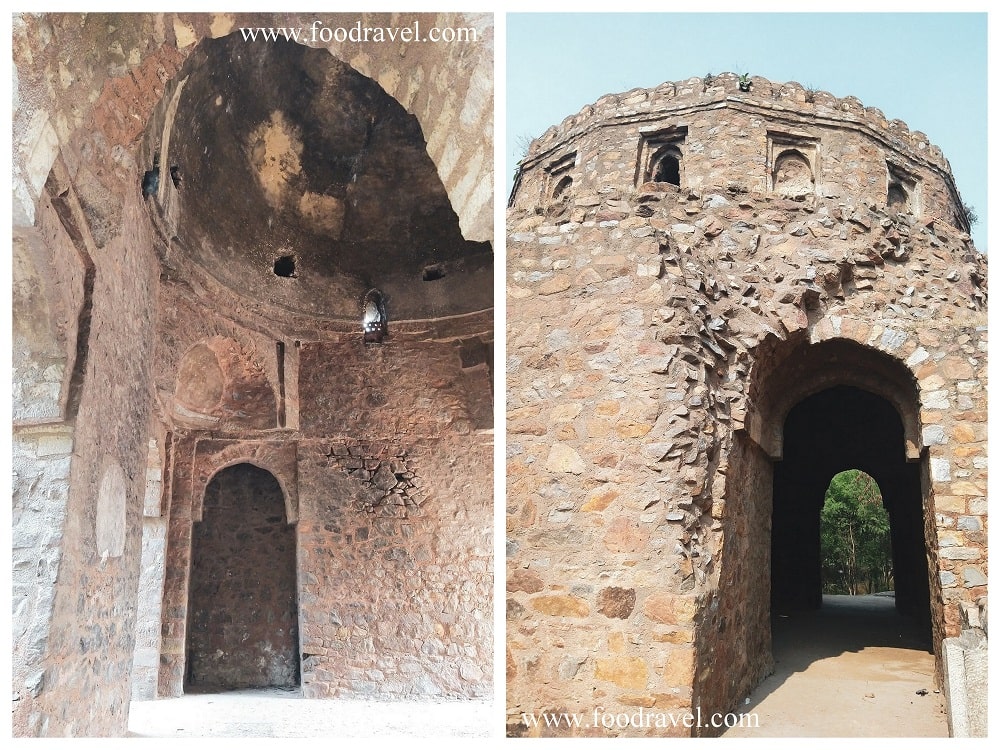
The most prominent surviving structure at Bijai Mandal is an unusual octagonal building. It is built of rubble masonry, stands on a high platform and has the steeply sloping walls characteristic of Tughlaq architecture.
06 / PLATFORM
The octagonal building stands on a high rubble-faced platform
The structure does not stand directly on the surrounding ground. It rises from a substantial high platform faced with rubble masonry, giving the surviving building a much more imposing profile than its ruined condition suggests.
07 / DOORWAYS
Doorways were placed at all four cardinal points
The octagonal structure has a doorway at each of its four cardinal points. The entrances have plain stone jambs with arched openings above them, adding to the distinctive geometric character of the building.
08 / MYSTERY
Three unusual circular openings survive on the roof
Three circular holes can be seen on the roof of the Mandal. They are curbed with red sandstone and were designed in a way that suggests some kind of cover may once have fitted over them. Their original purpose remains uncertain.
09 / LODI ERA
The site was later associated with Sheikh Hasan Tahir
During the Lodi period, the complex was associated with Sheikh Hasan Tahir, a religious figure honoured during the reigns of Bahlol Lodi and Sikandar Lodi. Historical records state that he lived here and died in 1503.
10 / PROTECTION
Bijai Mandal is a protected monument under archaeological control
Bijai Mandal is a government-owned protected monument under the Archaeological Survey of India. Its surviving structures form part of the archaeological remains associated with the historic city of Jahanpanah in south Delhi.
Bijai Mandal Through the Ages: Exploring the Ruins of a Mysterious Tughlaq-Era Monument
Bijai Mandal is often attributed to the reign of Alauddin Khalji, though its exact origins and original purpose are not entirely certain. It later became part of Jahanpanah, the fourth historic city of Delhi, which Muhammad bin Tughlaq established in 1326–27 by linking the older settlements of Siri and Lal Kot. Built on a raised platform, the surviving structure stands above the surrounding area and would have offered commanding views of the landscape. Its elevated position may also have had a strategic advantage, although there is not enough reliable evidence to state with certainty that it was specifically built as a lookout for approaching enemies. Bijai Mandal is now recognised as a protected monument, along with the neighbouring domes, buildings and dalan to the north of Begumpur.
Read Here – Agresen Ki Baoli
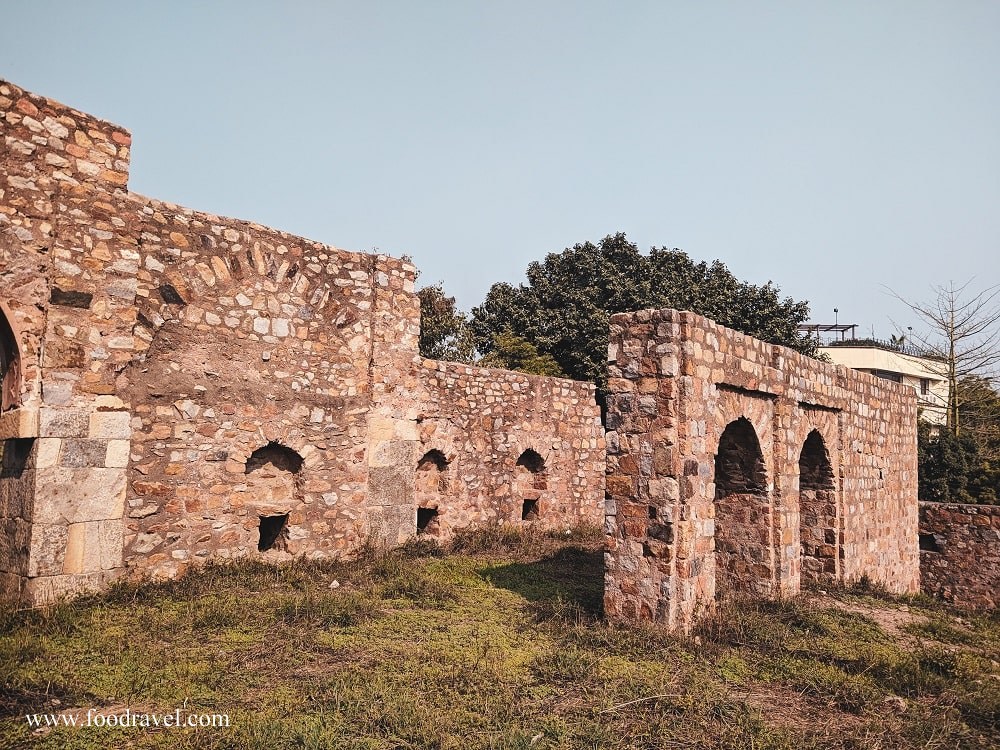
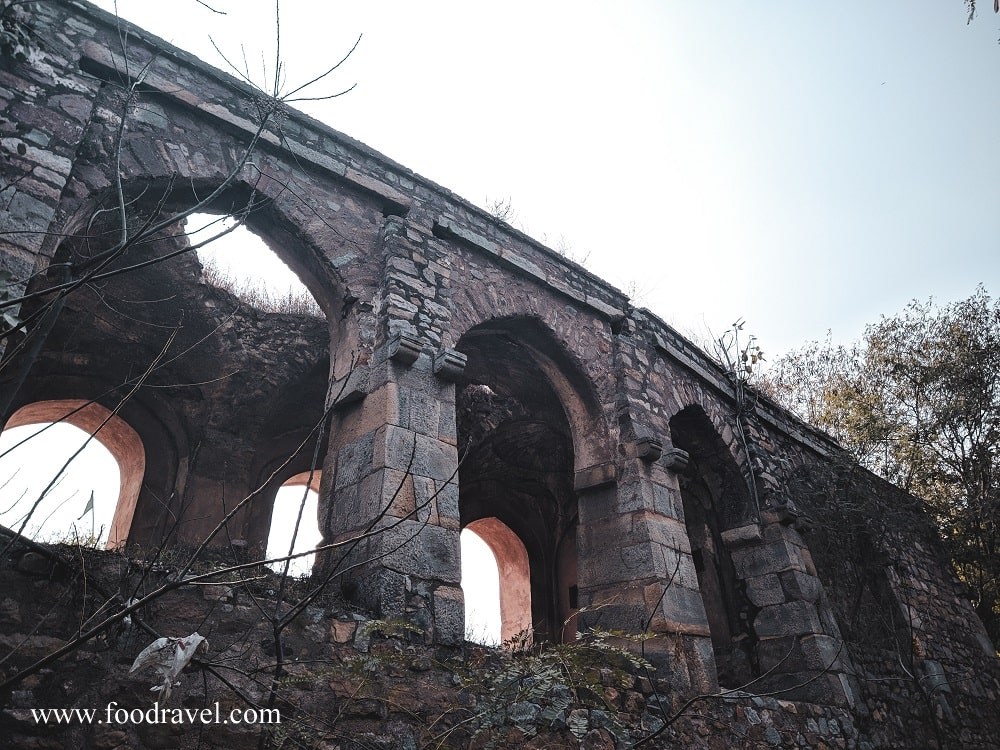
Its elevated position on a raised platform has led to the belief that Bijai Mandal was an observation point. Its unusual plan and ruined remains make it a wonderful monument to visit in Delhi, especially if you are looking for something offbeat in the city. It is often said that the Tughlaq rulers used the elevated structure to observe the surrounding area and spend time away from the routines of court life. However, this particular use of Bijai Mandal is not firmly established in historical sources, so it is better understood as a popular interpretation of the site rather than a confirmed fact.

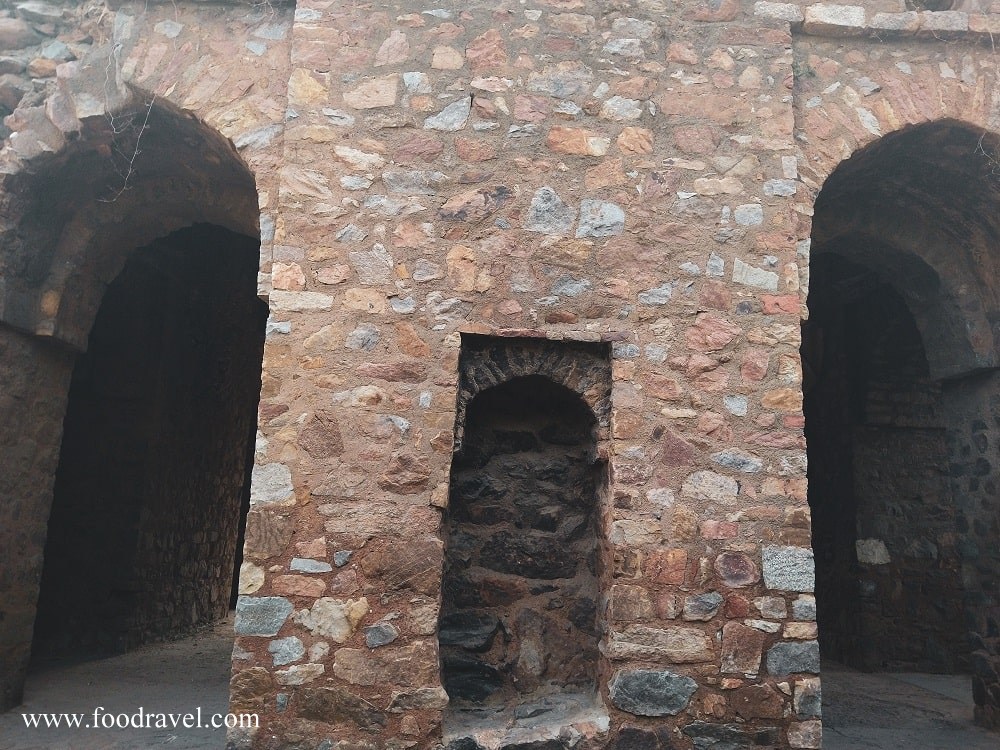
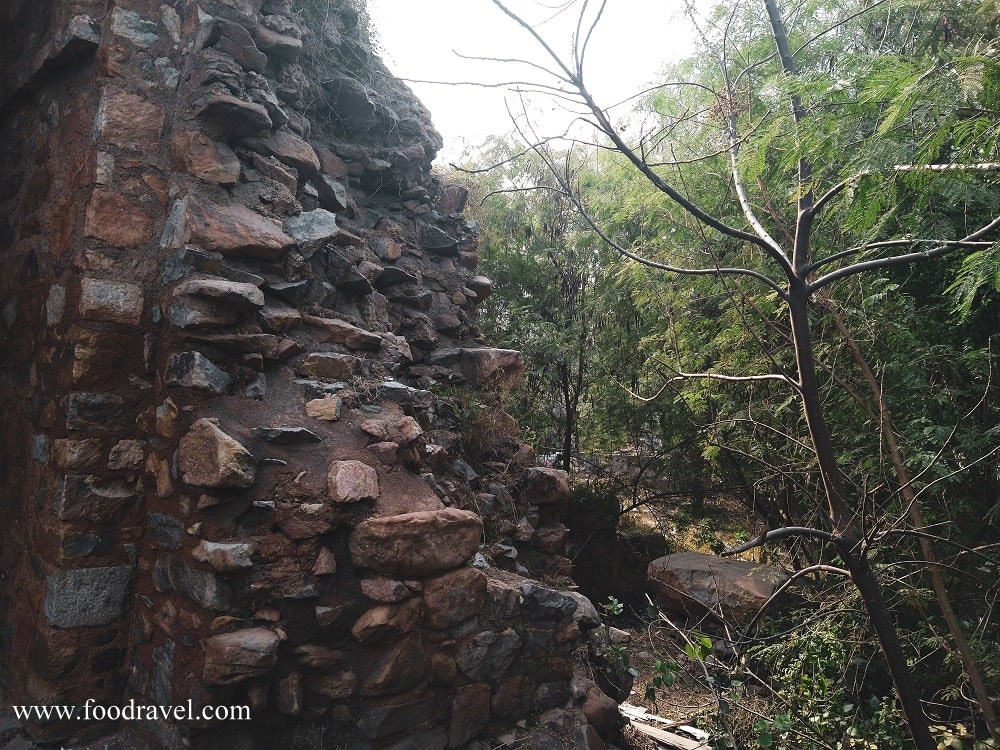

Ibn Battuta, the famous Moroccan traveler and explorer, described the royal palace of Muhammad bin Tughlaq in his 14th-century travelogue, the Riḥlah. The palace, known as the Qasr-i Hazar Sutun, or Palace of a Thousand Pillars, is widely associated with the Bijai Mandal complex in Jahanpanah. He described a grand complex with several chambers and a massive public audience hall whose pillars were made of painted wood and supported a beautifully carved wooden roof. Excavations carried out at Bijai Mandal in the 1930s uncovered the remains of a large pillared hall, which the Archaeological Survey of India identified with more or less certainty as the Hazar Sutun described in historical accounts. Today, the wooden pillars, roof and much of the palace described by Ibn Battuta have disappeared, leaving only the surviving stone remains and foundations of the complex.
Read Here – Humayun’s Tomb New Delhi
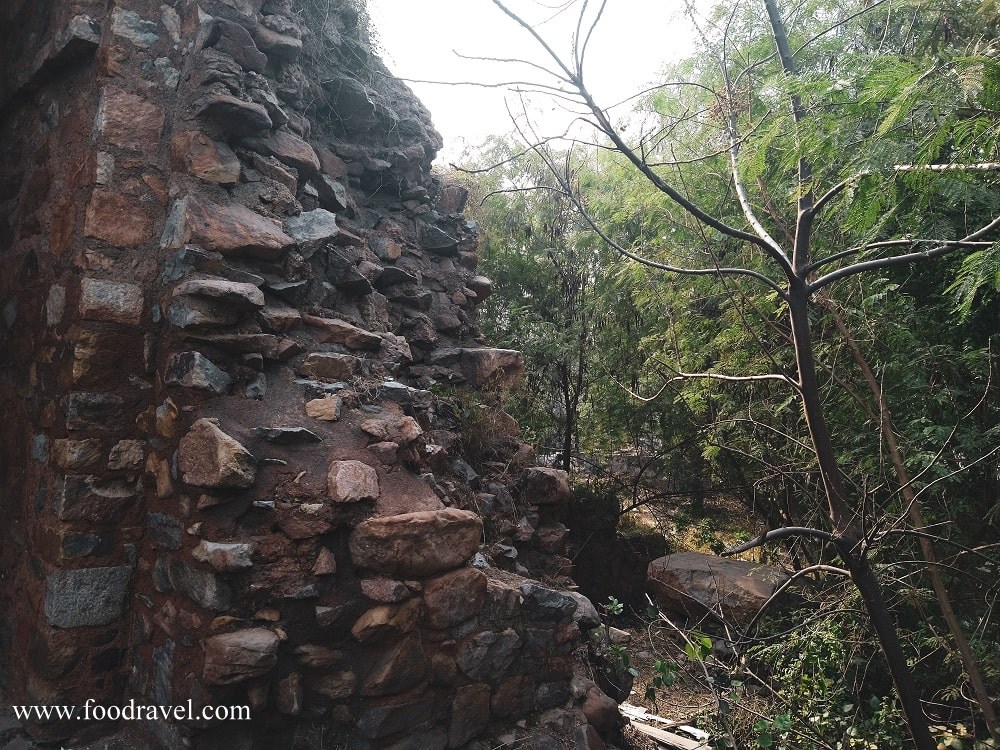
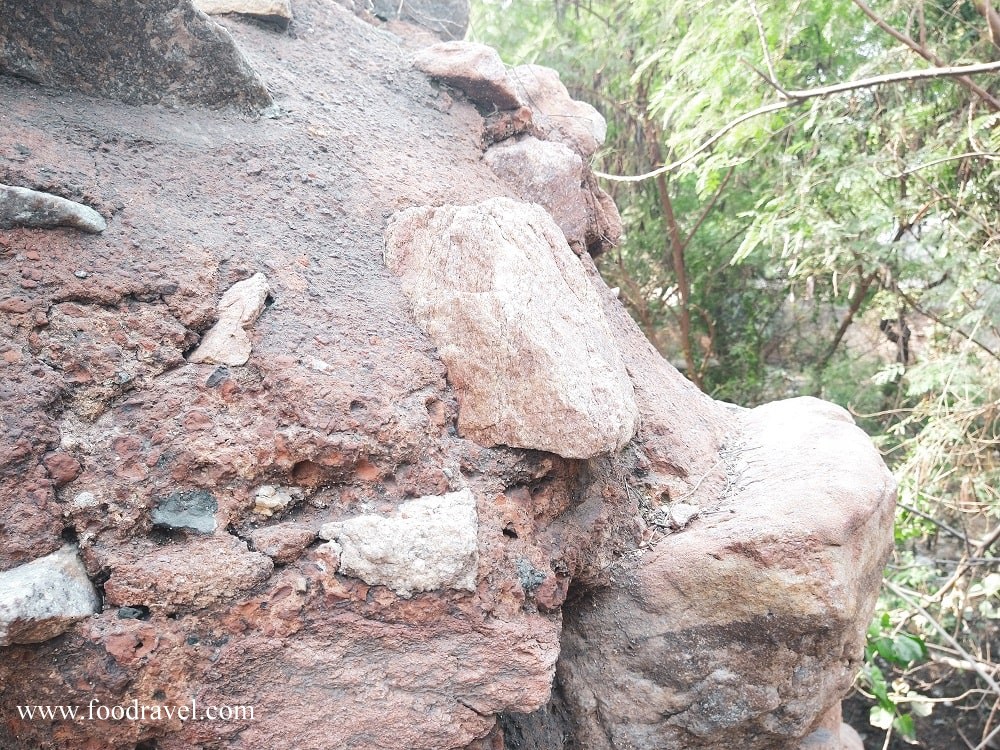
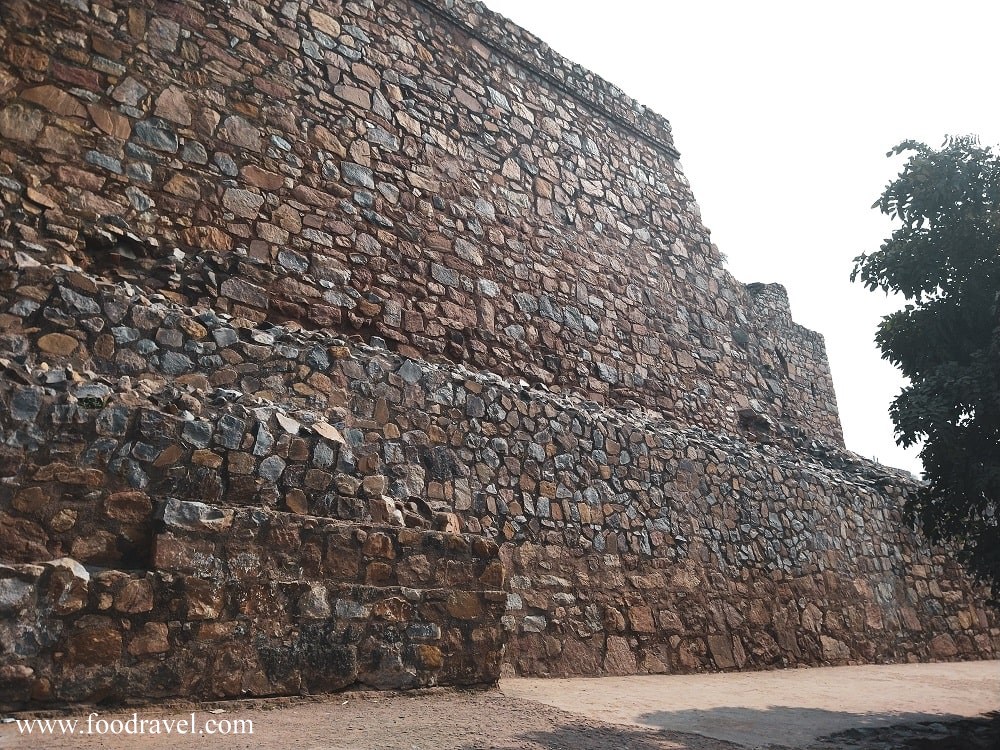
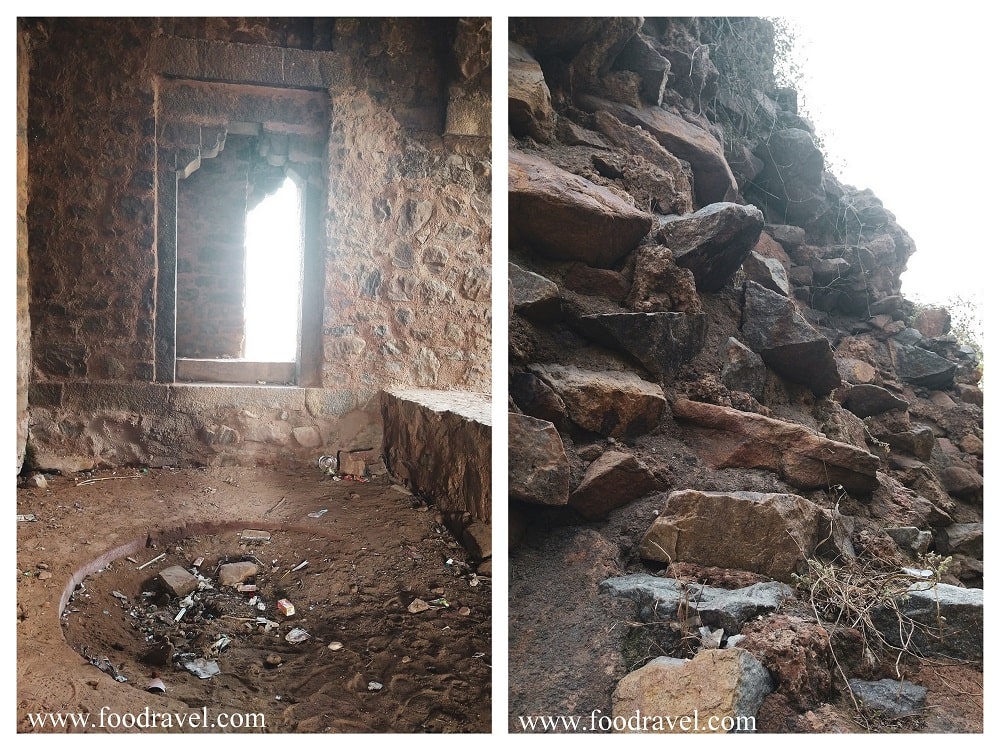
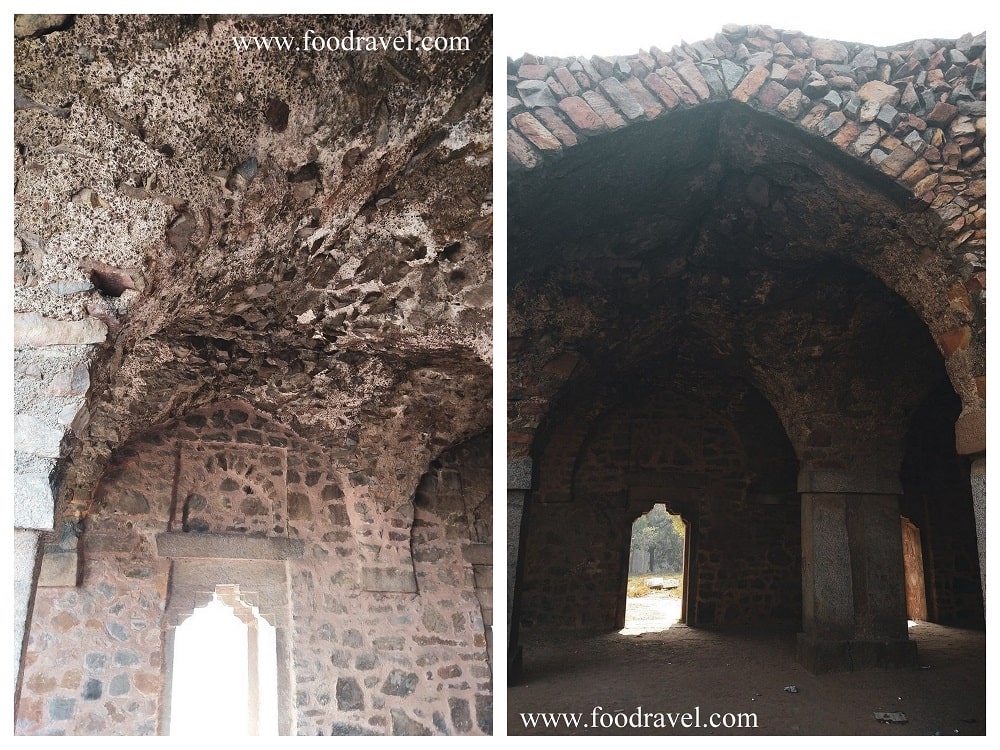
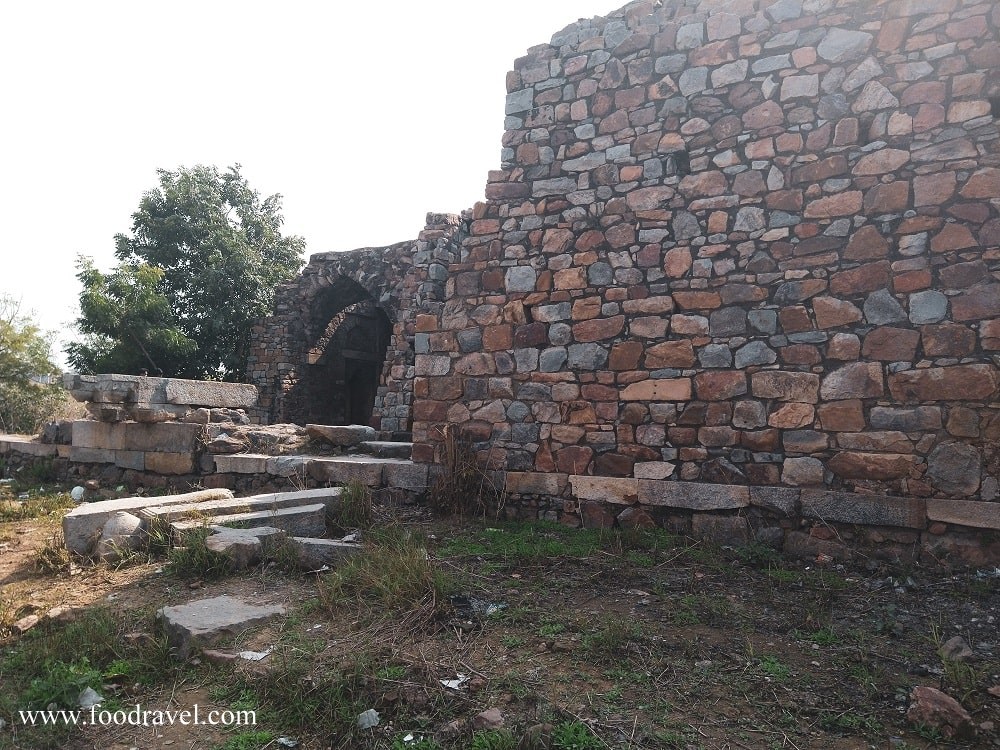
The entire monument is laid out on a 74 m × 82 m plan and features a well-proportioned square dome. Some archaeologists do not identify it as either a palace or a tower, as the monument is so heavily ruined that its original purpose remains uncertain. Built in the typical Tughlaq architectural style, the main structure has an octagonal plan and is constructed with rubble masonry, with massive sloping walls rising from a high platform. You will find doorways on each of its four cardinal sides. An inclined walkway around the monument is believed to have led to the Sultan’s apartments, while two large openings in the living rooms have been interpreted as passages leading to vaults or a treasury.
Read Here – Interesting facts about Qutub Minar
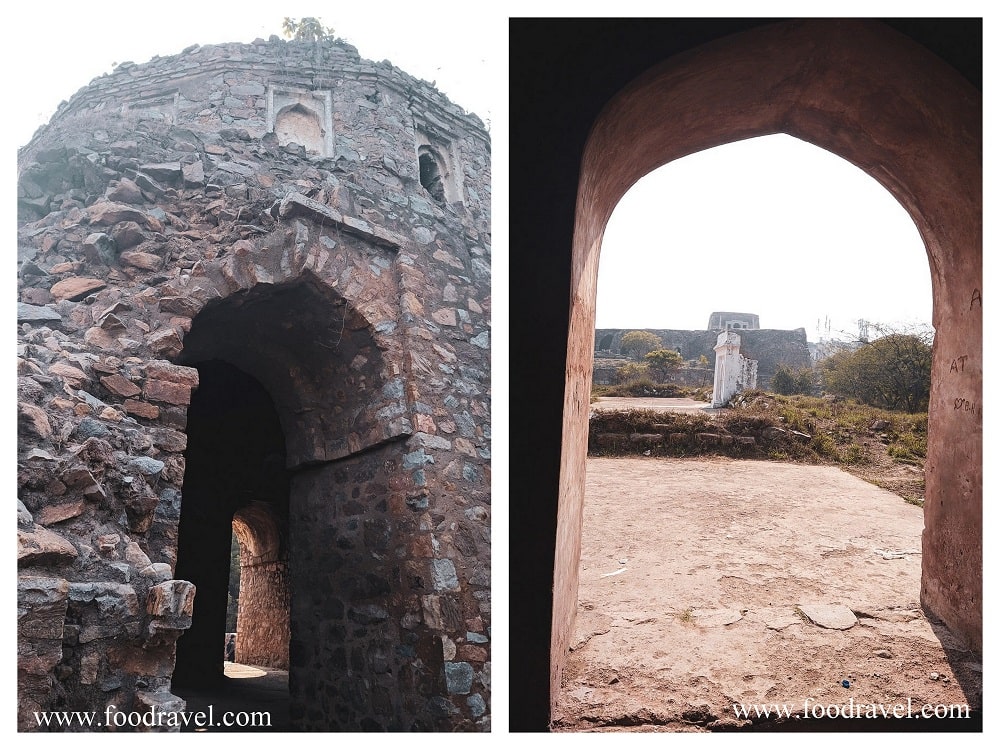

You will see small, evenly spaced holes on the level platform outside the apartment rooms, in front of the buildings. These are believed to have been used to fix wooden pillars supporting a temporary shamiana, or pavilion. Since the evidence about the monument’s original construction and purpose remains inconclusive, there is also a debate over which parts of the complex were built during the Khalji and Tughlaq periods. One plausible interpretation is that Alauddin Khalji built the palace’s stone hall, while Muhammad bin Tughlaq later added the tower and adjoining structures.
Read Here – Lotus Temple New Delhi

The Hidden Treasure Unearthed at Bijai Mandal – What Was Found?
During excavations, the ASI discovered coins and other objects from the treasure wells at the complex, including gold, silver, billon and copper coins. The finds represented several rulers of the Delhi Sultanate, from Qutb-ud-din Aibak and Balban to the Khaljis, Tughlaqs and Lodis, as well as later rulers including Sher Shah and Akbar. According to a local legend, an underground tunnel connects Bijai Mandal to Tughlaqabad Fort and contains hidden treasure, although there is no reliable archaeological evidence to establish this claim. The complex was also associated with Sheikh Hasan Tahir, a saint who lived during the reign of Sikandar Lodi. Archaeological excavations further revealed the remains of the Qasr-i Hazar Sutun, including the stone bases of wooden pillars, supporting its identification with the palace described in historical accounts.
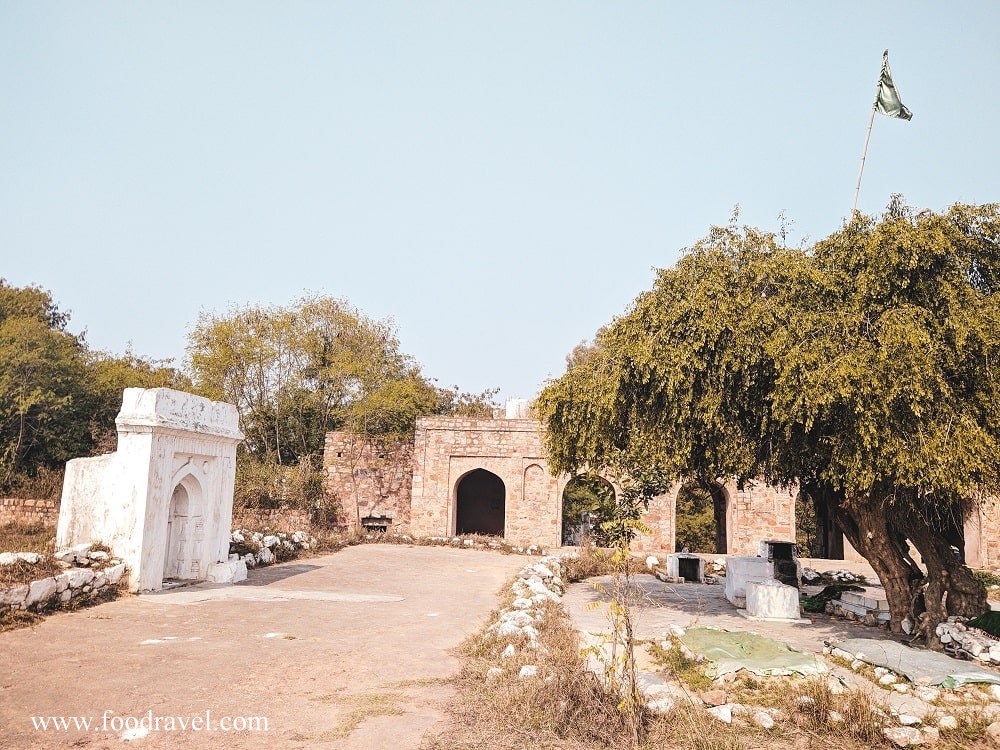
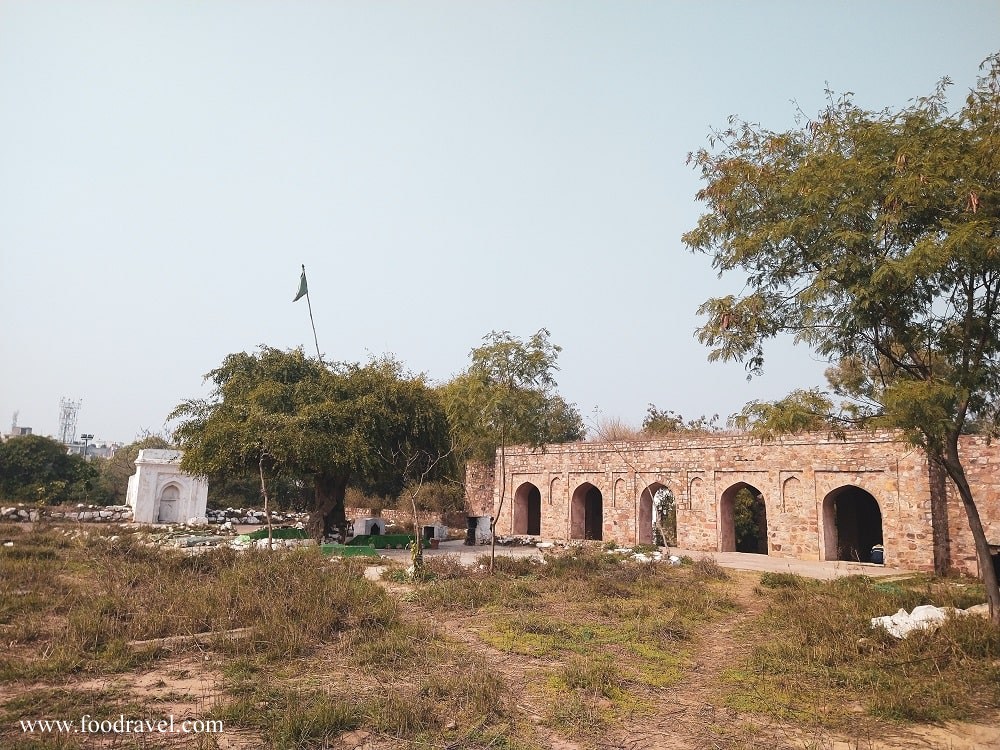
As you enter the monument through its main gated entrance, you will find the grave of the Sufi saint Sheikh Hasan Tahir. He lived during the reigns of Bahlol Lodi and Sikandar Lodi and is believed to have taken up residence at Bijai Mandal, where he died in 1503. The National Mission on Monuments and Antiquities records that his grave is accompanied by several other unidentified graves believed to belong to his descendants. The shrine continues to be visited by devotees who offer prayers, sweets and flowers.
Read Here – A night at India Gate


How to Reach Bijai Mandal in New Delhi
The nearest metro station is Malviya Nagar. I took a walk from Malviya Nagar metro station and first reached Begumpur Mosque. After spending an hour exploring the ancient monument, I checked Google Maps for directions to Bijai Mandal and followed the route to reach there. Bijai Mandal is less than a five-minute walk from Begumpur Mosque, so you can easily reach the monument from the mosque.



Bijai Mandal Timings, Entry Fee and What to Know Before You Visit
Bijai Mandal is among the monuments to visit without an entry ticket in Delhi. You don’t have to buy a ticket or pay an entry fee to visit the monument. The site is generally accessible during daylight hours, so it is best to plan your visit between sunrise and sunset. You can spend some time here, sit and relax, and explore the ruins at your own pace. Make sure you do not litter the monument or its surroundings. If you are carrying plastic items such as water bottles or packaged food, dispose of them in a dustbin instead of leaving them around the site or carry back.


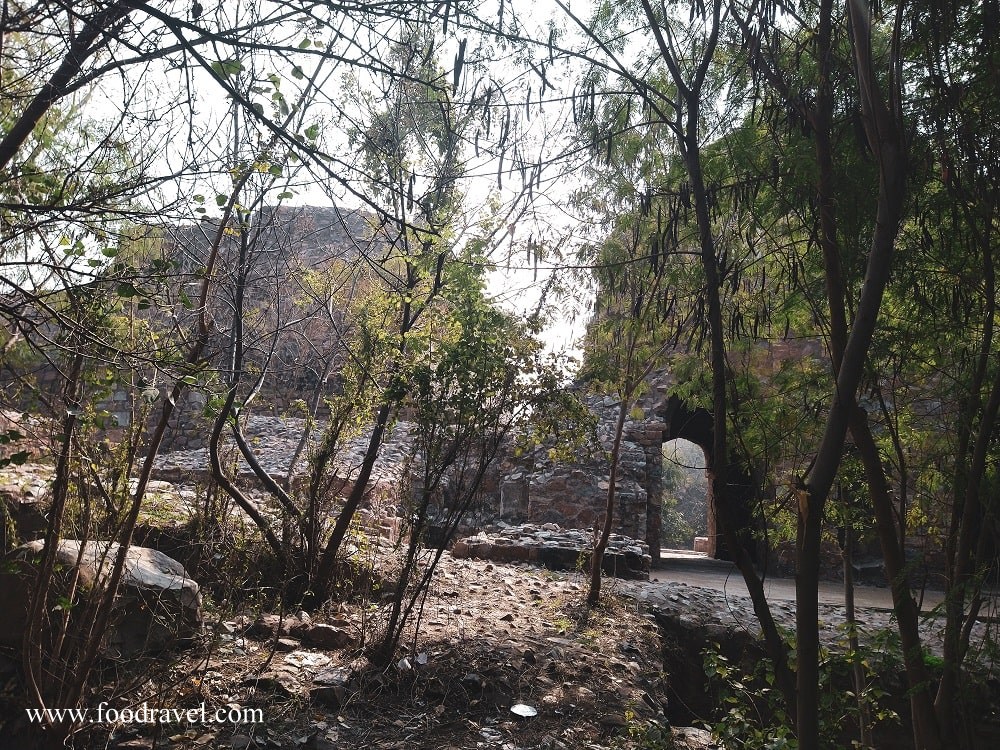
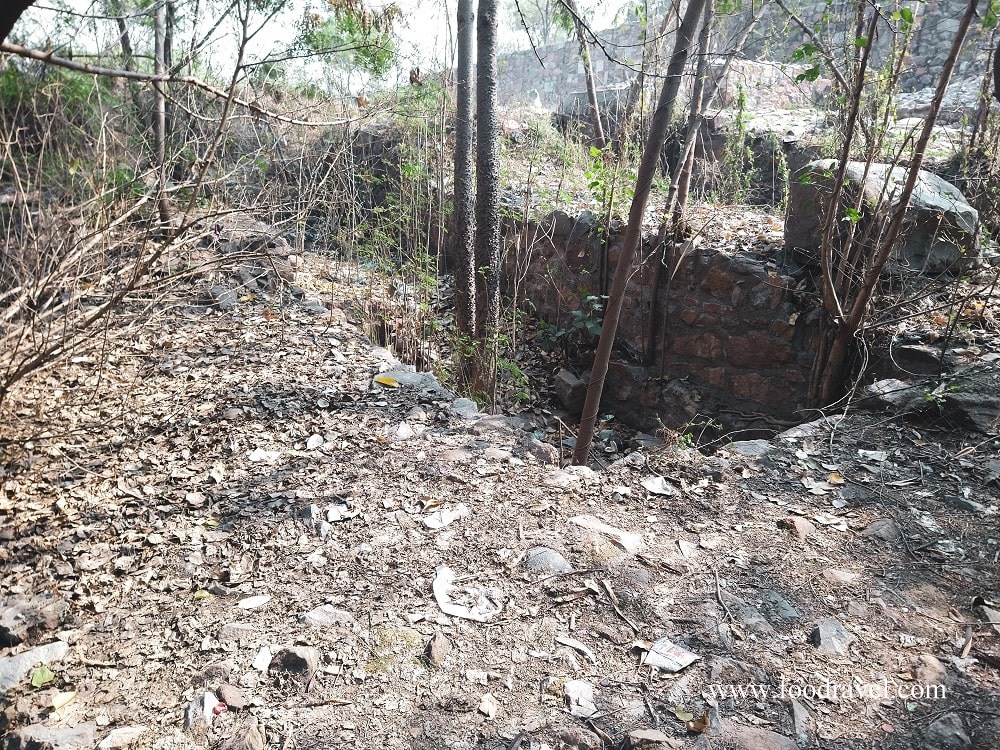
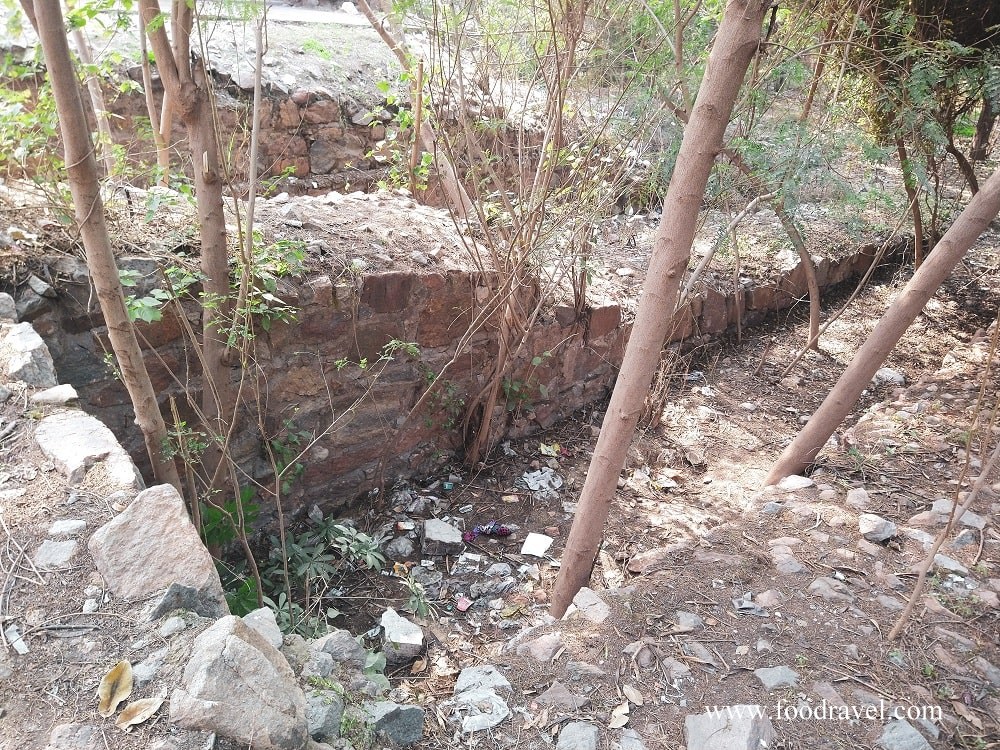
The history of this monument is not clearly known, but one thing is certain. Bijai Mandal must have witnessed its days of glory before falling into its present state of ruin. Today, it is yet another overlooked monument of Delhi. I have come across independent organizations that conduct heritage walks to places like this, which is a good initiative as it helps people discover lesser-known parts of the city’s history.
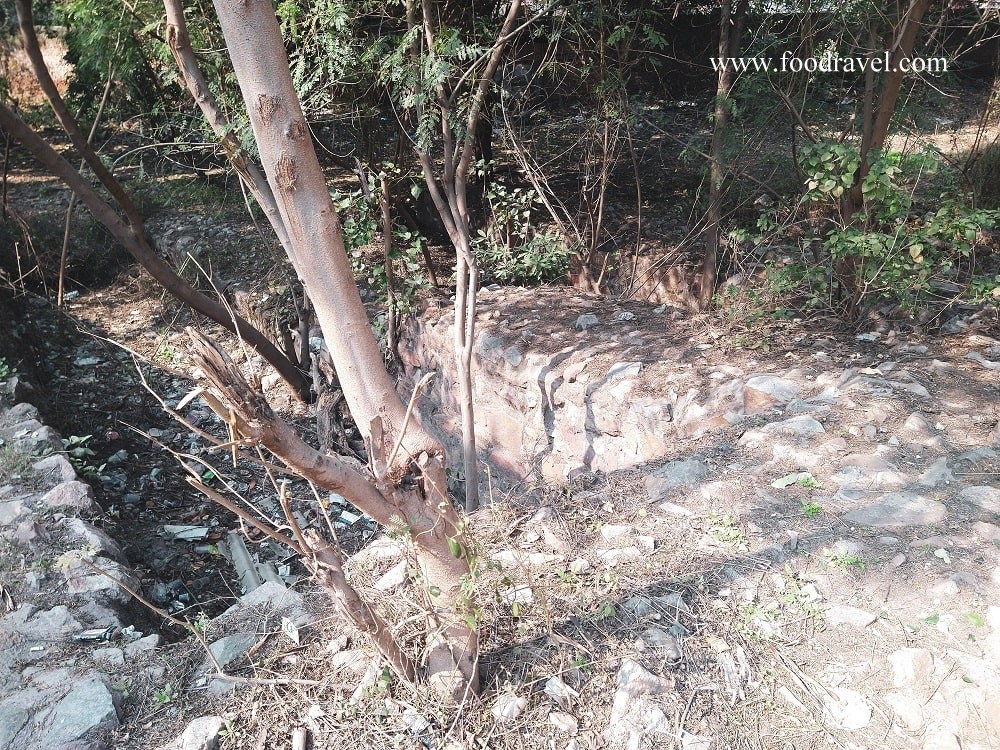
I spent around an hour at Bijai Mandal, exploring its every corner. The monument lies in ruins, with walls fallen in several places and ceilings that have broken down. During my visit, I saw people coming here to smoke and drink. There was little visible maintenance or attention being given to the monument, which was unfortunate. Monuments like Bijai Mandal are part of the city’s heritage and deserve to be properly conserved.