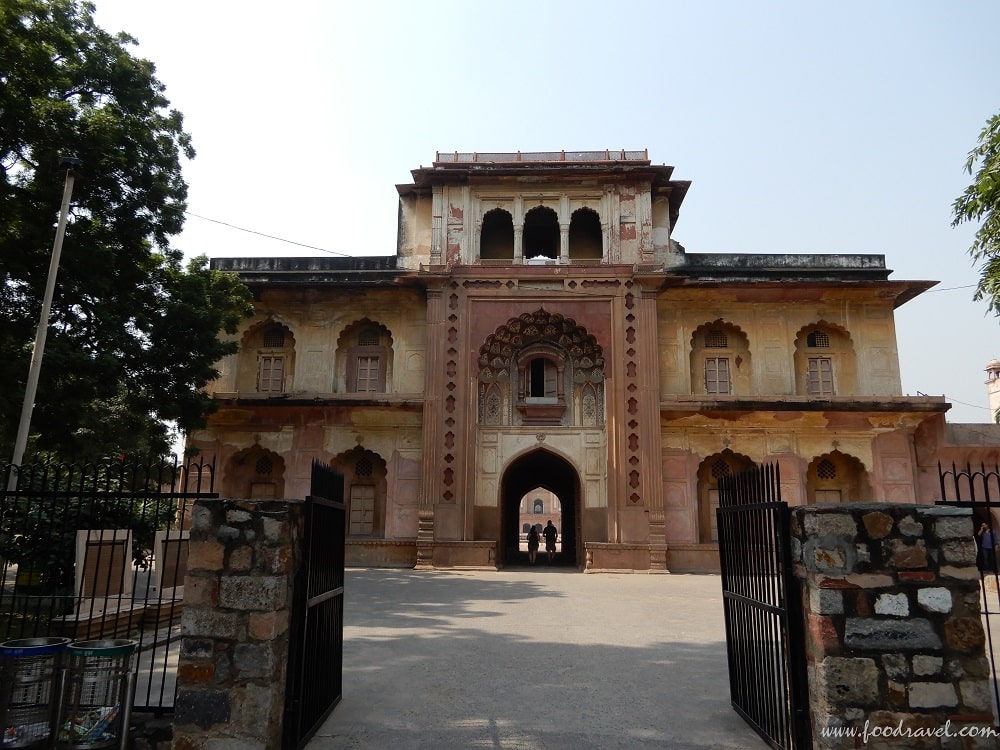
Sometimes, we come across such places that ignite the flames of curiosity but when we try to dig out information about them; we usually don’t find much. Delhi is home to such monuments. It was my first time visiting one of such monuments after lockdown, the tomb of Azim Khan. I visited it several times, but every time I had to come back with very little or almost no information about it. Tomb of Azim Khan as the name says is a tomb of a person named Azim Khan. Now, who was Azim Khan? Historians have put different theories and that’s the only information to believe.


India has been ruled by several dynasties over centuries, and each period left behind monuments that reflected its time, purpose, and power. While many of these structures have survived and continue to define the historical landscape of cities like Delhi, several others have faded into neglect. Some stand today in ruined or almost ruined condition, overlooked and undocumented, their histories reduced to fragments. These monuments often exist on the edges of popular heritage sites, noticed but rarely explored. Near Qutub Minar, on a rocky platform visible from the Mehrauli–Gurgaon road, stands one such structure: the Tomb of Azim Khan. Its greyish-black appearance and isolated position set it apart, yet very little is known about the person it was built for or the exact circumstances of its construction.

There are very few reliable sources that clearly explain the history of the Tomb of Azim Khan. Most references available today are scattered across blogs and secondary websites, and they often contradict one another, leaving room for doubt rather than clarity. According to several such sources, Azim Khan is described as a general in the Mughal army during the reign of Emperor Akbar. Some even claim that he was referred to as Akbar Khan, supposedly deriving from the meaning of the word Akbar, which translates to great or magnificent. However, there is no strong historical evidence to confirm that such a title was formally granted to him, or that this association is accurate. In the absence of contemporary records or inscriptions, these claims remain speculative and should be treated with caution rather than accepted as established fact.
Read Here – Bijai Mandal Jahanpanah


Because direct references to Azim Khan are scarce, later narratives often attempt to understand his identity by placing him alongside better-documented figures from Emperor Akbar’s reign. In this process, Azim Khan is frequently mentioned in connection with senior Mughal commanders of the period, particularly Adham Khan.
Adham Khan was a prominent Mughal commander during the reign of Emperor Akbar and played a key role in the Malwa campaign against Baz Bahadur. Although he succeeded militarily, his actions after the conquest, marked by large-scale violence and plunder, deeply disturbed Akbar. Adham Khan’s downfall, however, came not in Malwa but later in Agra, where he murdered Ataga Khan, the emperor’s trusted noble. For this act, Akbar ordered his execution in 1562.
Some later narratives attempt to place Azim Khan within this broader sequence of events, suggesting that he emerged in the Mughal military hierarchy after Adham Khan’s fall. However, there is no contemporary evidence to confirm that Azim Khan replaced Adham Khan or led troops against him. Such associations remain speculative and are not supported by surviving Mughal records.
After the death of Emperor Akbar, Azim Khan is said to have continued his association with the Mughal court during the reign of Jahangir. However, later accounts suggest a significant shift in his life, away from courtly power and towards spiritual devotion. Over time, he is believed to have become a follower of Hazrat Nizamuddin Auliya. According to local legends, the Sufi saint appeared to Azim Khan in a dream and urged him to abandon violence and worldly ambition. Following this experience, Azim Khan is said to have renounced his position and adopted a more spiritual way of life. These accounts survive more through local stories and belief than through confirmed historical records.

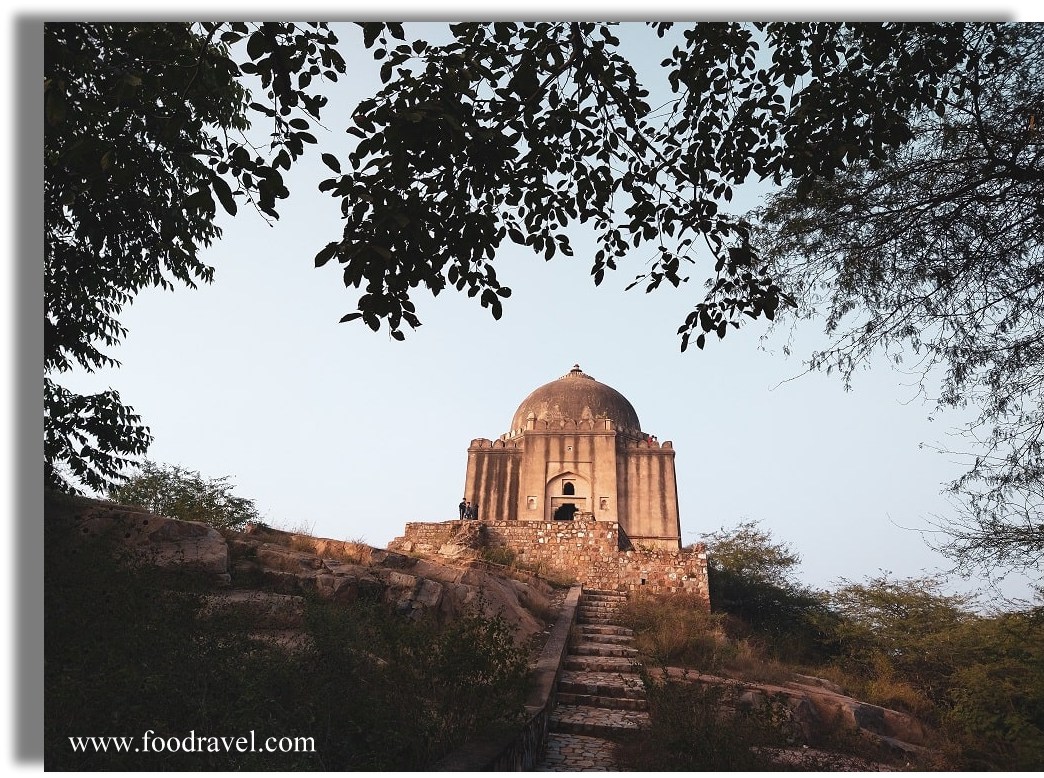
Local legends say that people began coming to Azim Khan seeking guidance, and he would listen and offer his counsel. Over time, this constant flow of visitors is believed to have disturbed his penance and spiritual discipline. According to these stories, he chose to withdraw from public life and built himself a residence on the top of a hill. In those days, climbing this hill was not easy, and only a few were able to make the difficult ascent. It is believed that this structure, which later came to be known as the Tomb of Azim Khan, was built at this height so that he could live in solitude, away from the world.
Read Here – Begumpur Mosque



How the British Turned Azim Khan’s Tomb into a Party House
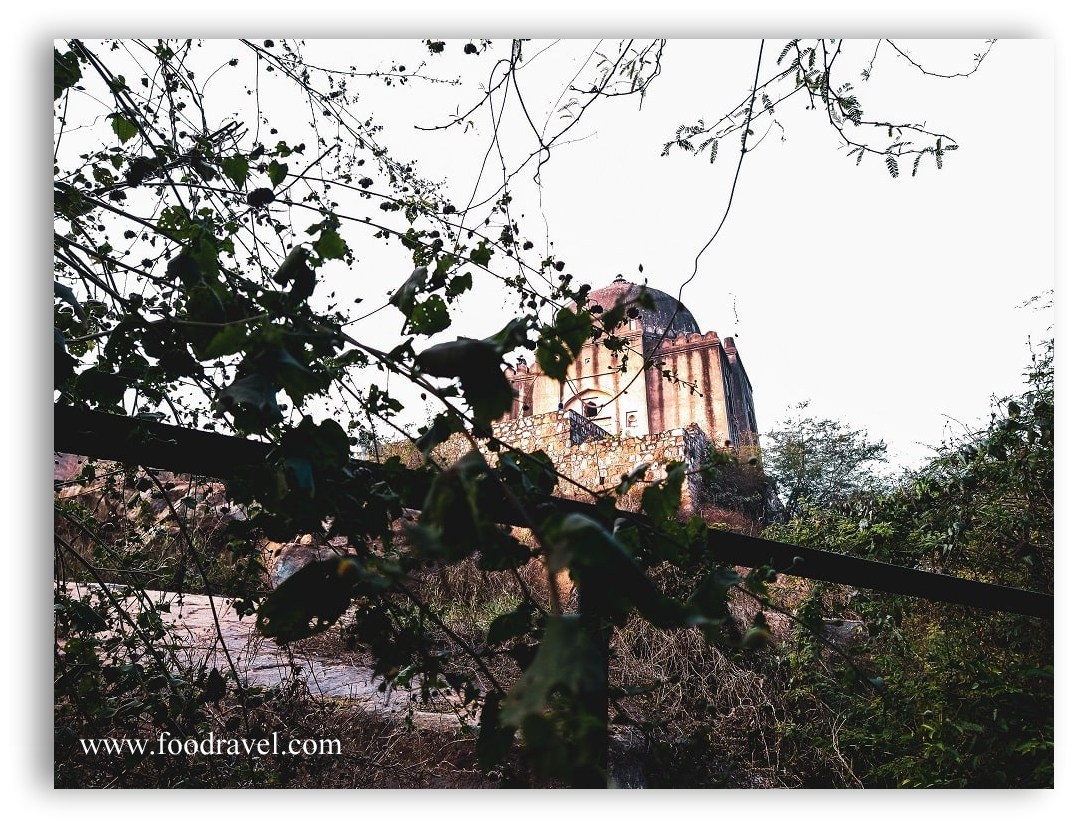
During the British occupation, many monuments in Delhi suffered neglect and damage, and the Tomb of Azim Khan was no exception. Historical accounts suggest that the British removed the grave from the main structure and used the tomb for drinking, drugs, and other forms of debauchery. Adham Khan’s tomb reportedly faced a similar fate, with its grave removed and the space repurposed as a residence. Today, Azim Khan’s tomb has two graves outside the main structure, one larger and one smaller, but it is unclear who is buried there. The misuse of these tombs highlights the disregard for historical and spiritual significance during colonial times.
Read Here – Qutub Minar in the Night



Inside Azim Khan’s Tomb: A Look at Its Architecture
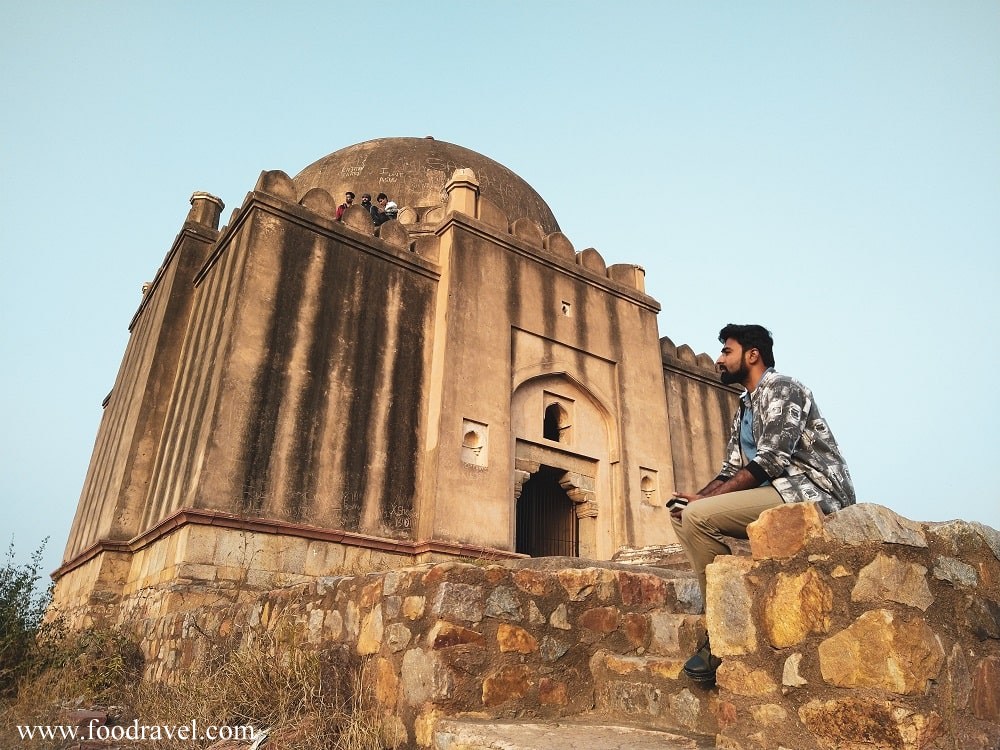
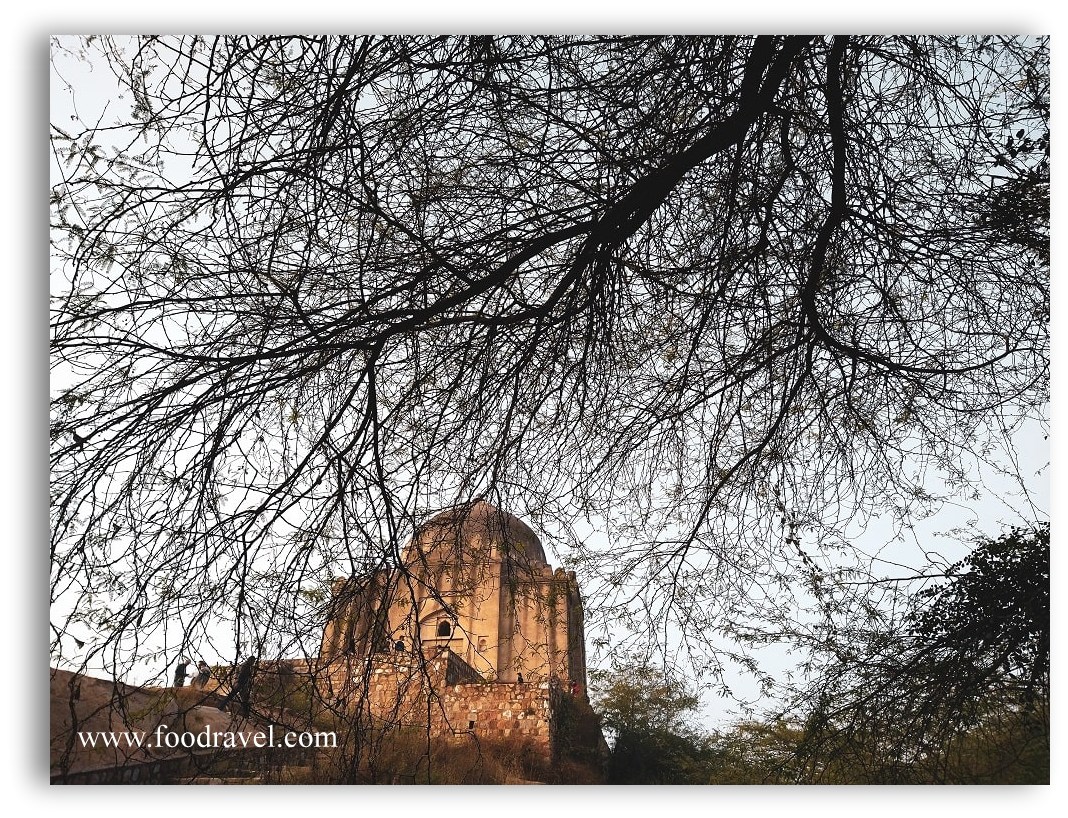
Like many Mughal tombs, the Tomb of Azim Khan is square in shape. One intriguing feature is that it is built on a rocky plinth, raised above the surrounding ground. This elevated position makes it visible from the road and offers a near 360-degree panoramic view of the area, including Mehrauli and Lado Sarai. From the tomb, you can also spot the Tomb of Quli Khan, the Tomb of Adham Khan, and, of course, the Qutub Minar.


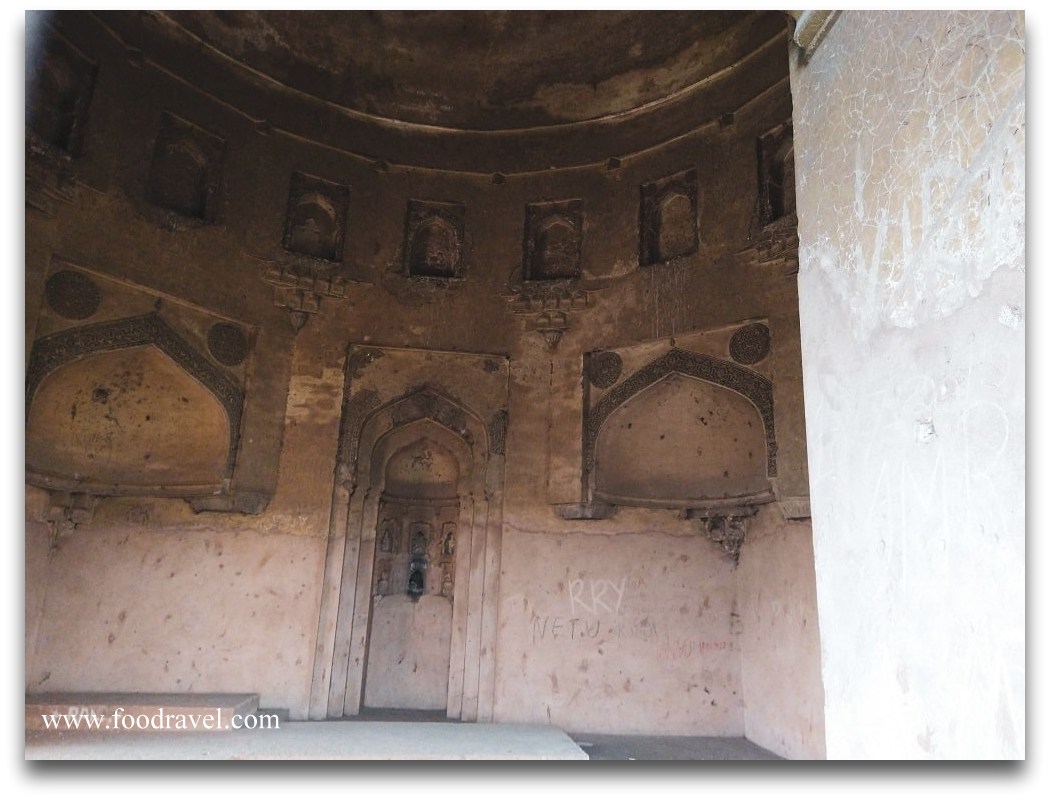
A large, bulbous dome rests atop the tomb on an octagonal drum, which is adorned with turrets and kangooras. The plastered façade features decorative stucco and incised designs. The base of the tomb is built with rubble masonry, while lime mortar plaster and lakhori bricks form the main structure. Delhi quartzite stones are used for the pillars, and red sandstone is applied at the plinth and lintel levels. The main entrance of the tomb showcases a corbelled arch, reflecting the architectural style of the period.


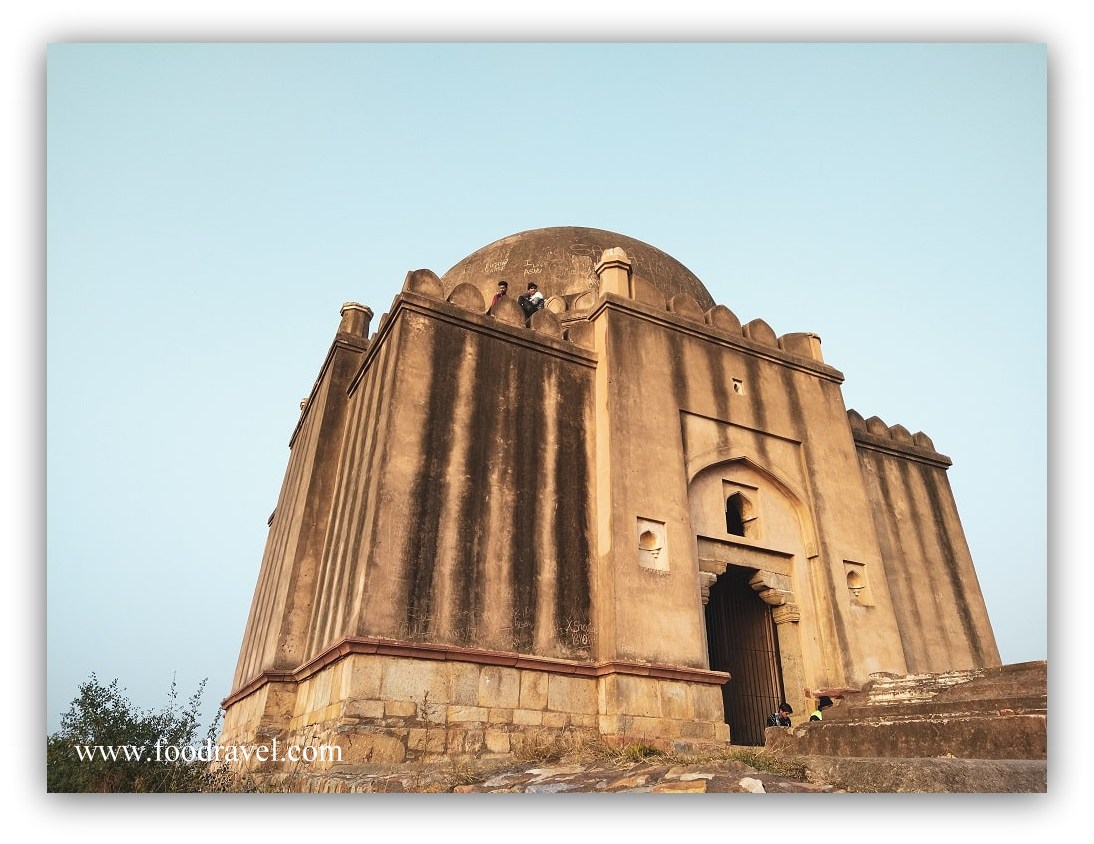
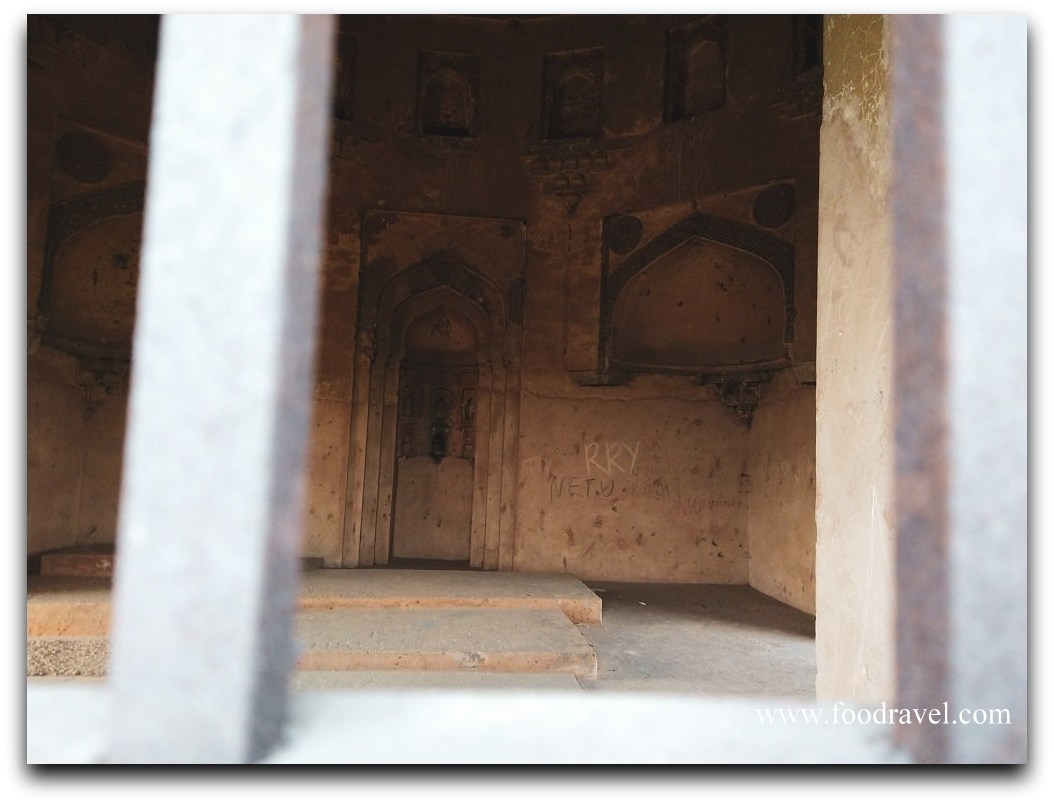
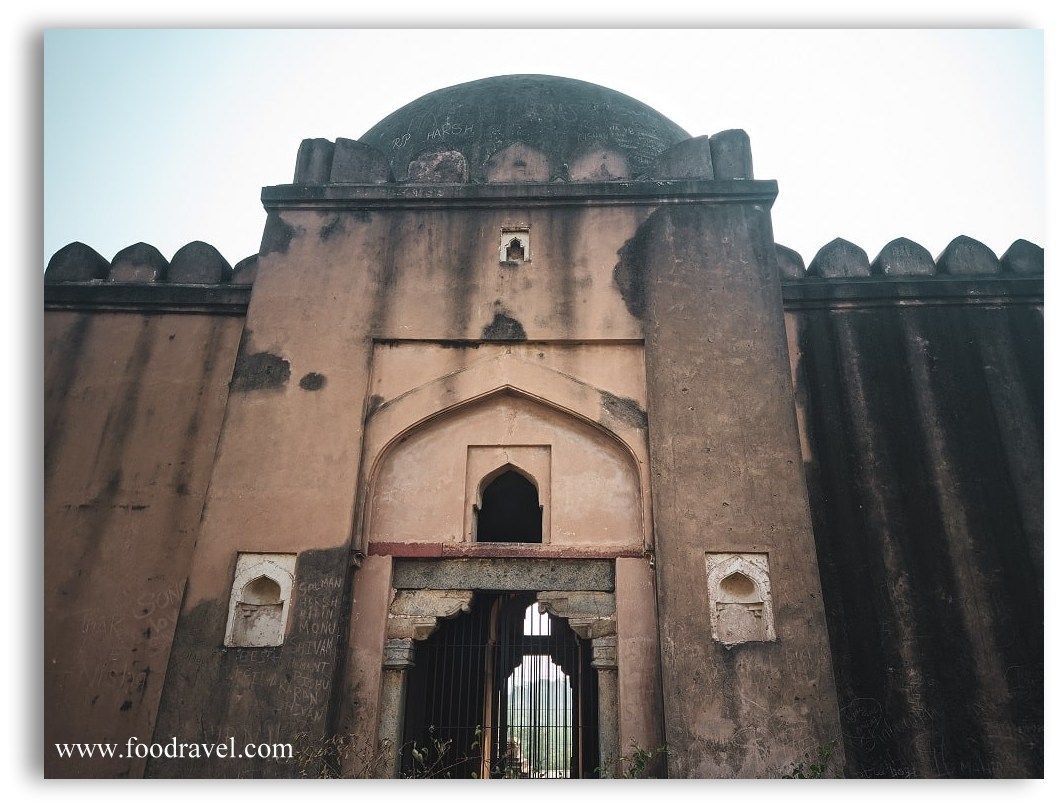
The Tomb of Azim Khan has three gates, all of which have been sealed with nut bolts to prevent further damage. Much of the plaster on the walls has been scraped off, and the damage is clearly visible. Visitors sometimes climb to the top and sit there, and some have even carved their names on the walls and the dome, leaving marks that are still visible today. The interior walls have also suffered, with initials and graffiti etched into the surfaces.


How the Archaeological Survey of India Restored the Tomb of Azim Khan
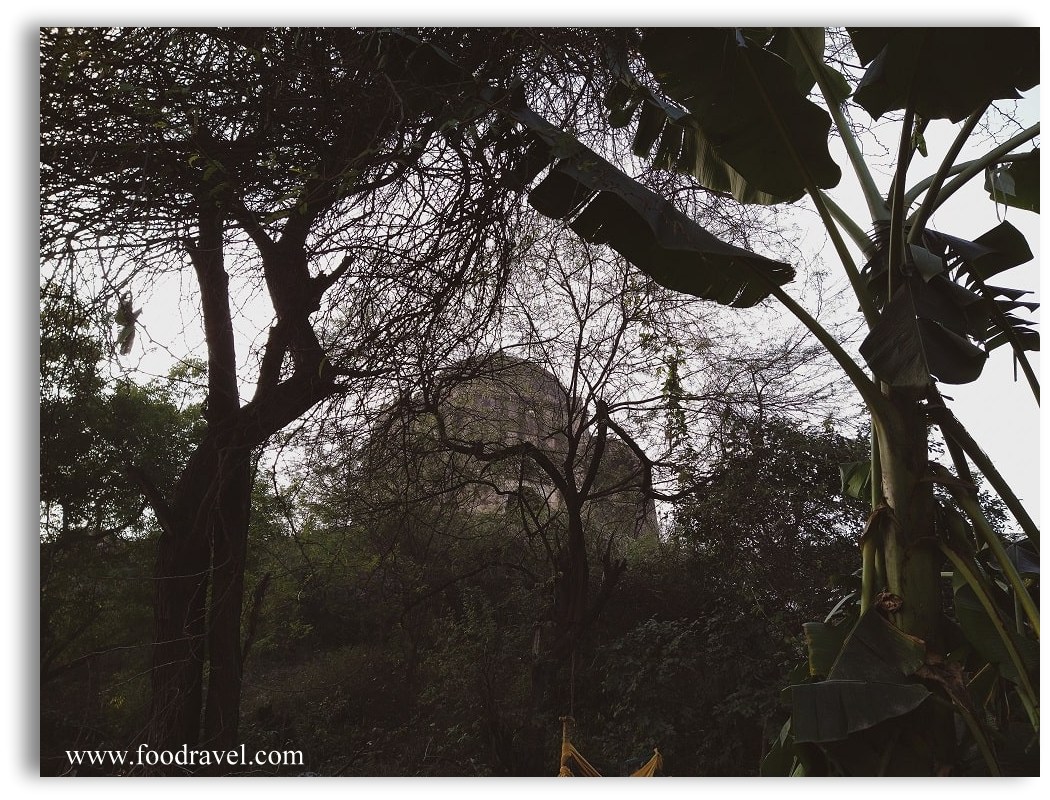
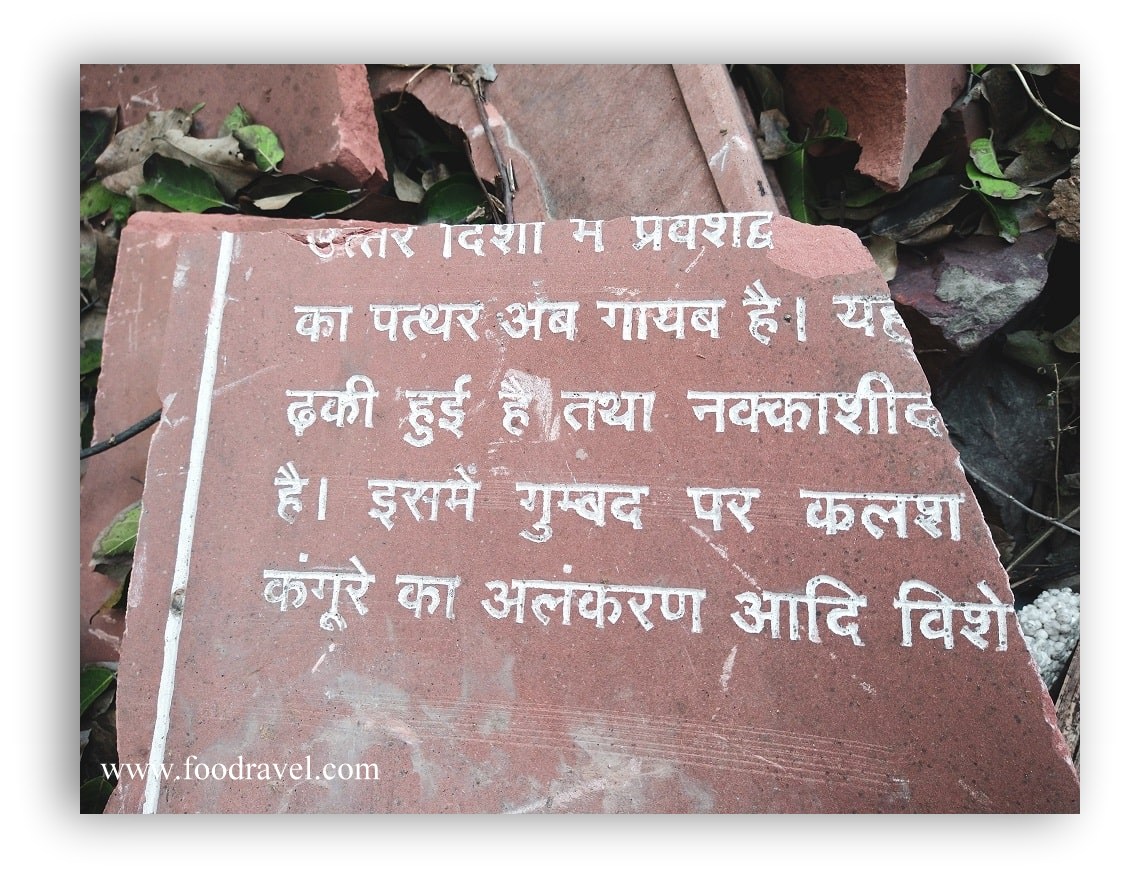
The monument was renovated before the 2010 Commonwealth Games held in Delhi. ASI built a stairway leading to the tomb. Before that, probably there was no proper stairway, and one had to climb the rocky path to reach the tomb. The tomb is surrounded by dense forest, and not many people visit it. Thus, it stays in isolation most of the time. ASI has appointed a security guard here. I had a word with him and asked if any facilities were provided by the government body. The security guard has no proper sitting place, no water, or washroom facilities. He brings his own water bottle.


How to reach Azim Khan’s Tomb? Ticket and Timing Information
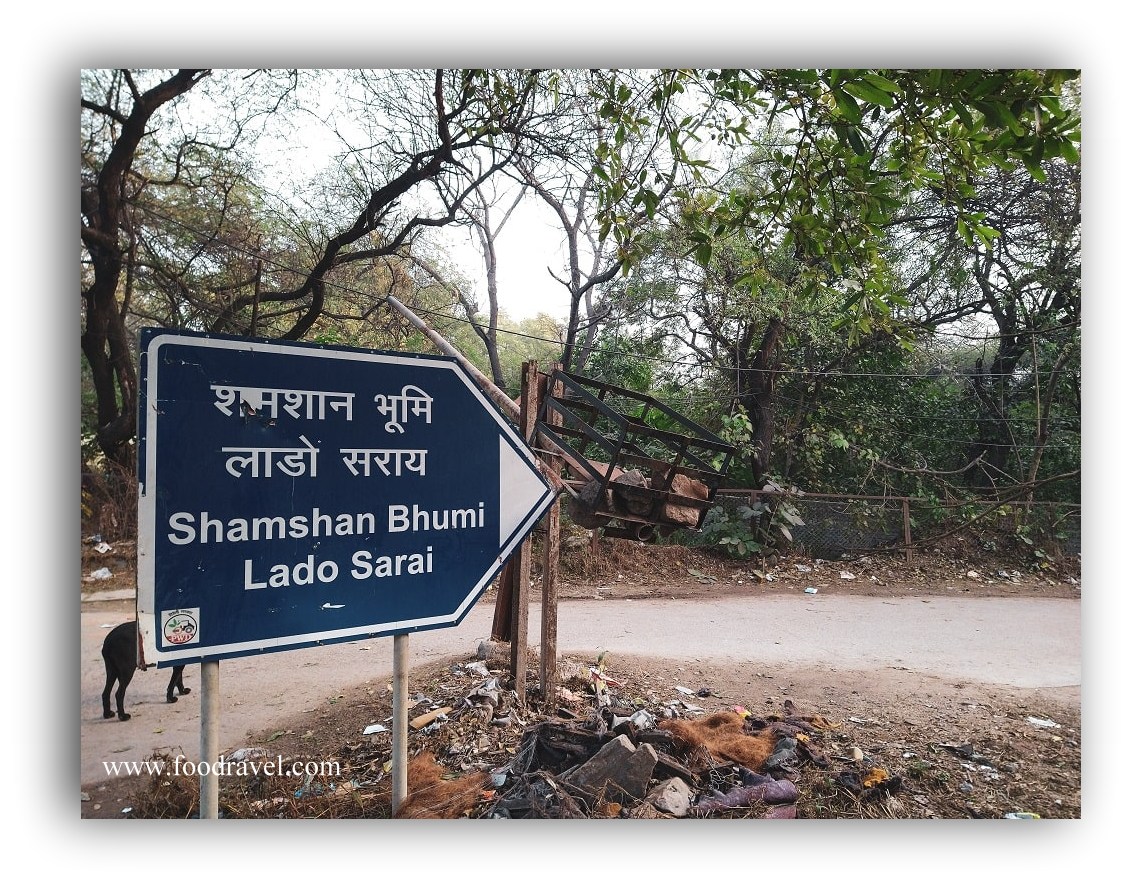
The tomb is located near Mehrauli Archaeological Park, close to Ahinsa Sthal, which is clearly visible from the tomb. A path from Sir Aurobindo Marg leads to the tomb, continuing toward Lado Sarai’s Shamshan Ghat. You can easily reach it on foot or by two-wheeler. There is no entry fee, as the Tomb of Azim Khan is among the monuments in Delhi that can be visited without a ticket. The tomb is open from sunrise to sunset, though I am not sure if there is an exact schedule.


Delhi has around 1,300 monuments, big and small, famous and neglected. I may not be wrong in saying that this monument is almost a neglected one. It is true that not every monument becomes mainstream or contributes to commercial tourism. Yet, the monuments that have been abandoned and left to decay still add immensely to the culture and history of the area. No doubt, the Tomb of Azim Khan may not have a bright future, but it must have had a worthy past.