
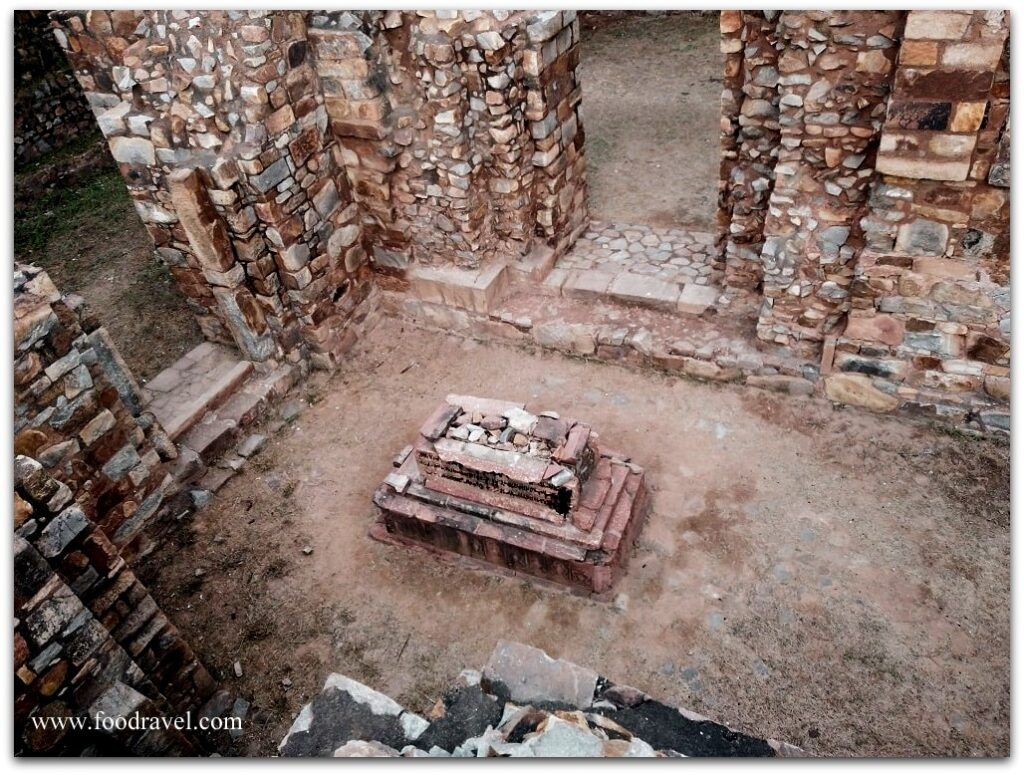
Delhi went through fierce turmoil, with countless ups and downs before the Mughals finally established their long reign. Everyone wanted to conquer it, everyone wanted the throne and the power that came with it. I love Delhi, and not just for myself; this city has been an object of admiration for centuries. Perhaps that is why so many fought to claim it. Countless battles were waged, and rivers of blood were shed, all for the control of this city. Visiting the Tomb of Balban brings to mind the Slave Dynasty that once ruled Delhi. The tomb stands as a testament to the ambition and power of rulers who shaped the city long before the Mughals arrived.
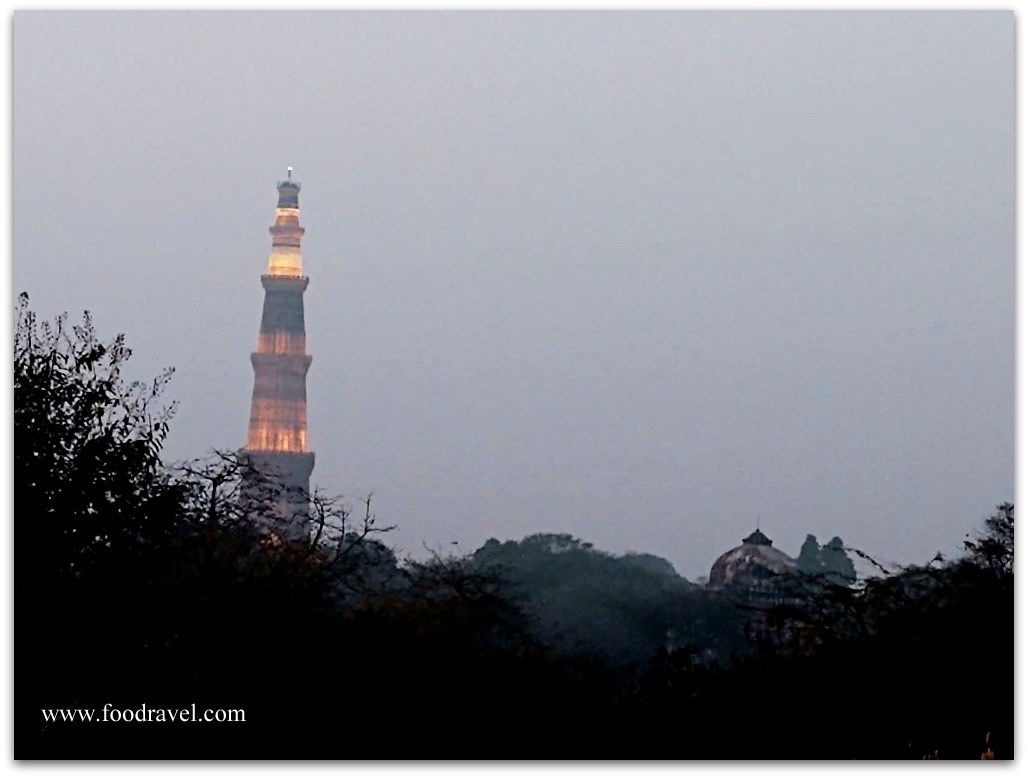
I love ancient architecture and historical monuments, which is why I often find myself visiting them more than once. Located within the Mehrauli Archaeological Area, the tomb of Balban today stands as a cluster of ruins, with broken walls, bricks, and stones. Like several other monuments in the area, this tomb also lacks proper information at certain points. If you arrive via the Mehrauli-Gurgaon Highway or from Qutub Minar Metro Station and enter Mehrauli Archaeological Park, this is the first monument you will encounter. Walking along its fenced boundary, you will eventually reach the Jamali Kamali Tomb and mosque, which are located directly opposite each other.
History behind the Ruined Tomb of Ghiyas-ud-din Balban
Balban was a powerful ruler of the Slave Dynasty, which is also known as the Mamluk Dynasty. Before we talk about the history of the tomb of Balban, it helps to know who Balban was. Ghiyas‑ud‑din Balban was born into the Ilbari Turkic tribe in Central Asia. As a child he was captured by the Mongols and sold into slavery. He was eventually brought to Delhi, where Sultan Iltutmish purchased him. Balban rose from a low position in the royal household to become one of the most trusted nobles. Over time he gained influence under successive rulers and ultimately became Sultan of Delhi, ruling from 1266 until his death in 1287.
Read Here – Tomb of Azim Khan
Balban rose to power through his service under earlier sultans of the Slave Dynasty. He became a close and trusted adviser, especially under Sultan Nasir‑ud‑din Mahmud, and strengthened his position by marrying his daughter to the sultan. When Nasir‑ud‑din died without a male heir, Balban took the throne of the Delhi Sultanate in 1266. Sources vary on his exact age at accession, with estimates ranging from around 60 to the mid‑60s. He was the ninth ruler of the Slave Dynasty and is remembered as a ruler with an iron fist, enforcing strict court discipline, reorganizing the administration, and asserting strong central authority.
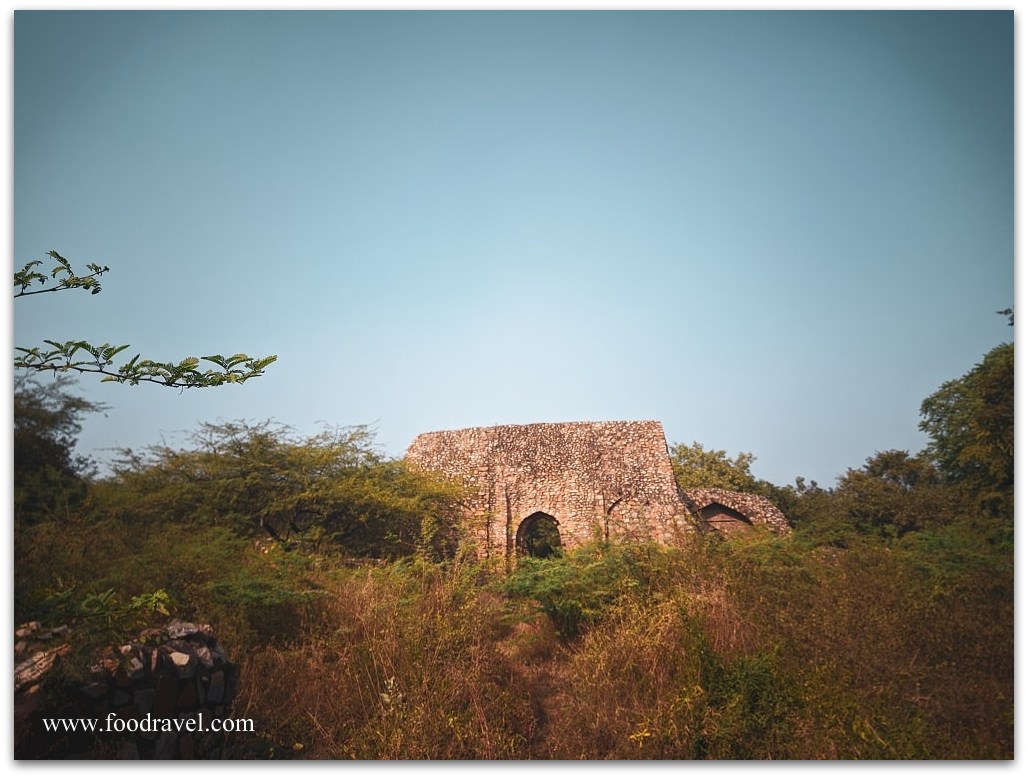
Now let’s talk about the history of the Tomb of Balban in Mehrauli Archaeological Park. Built around 1287 CE, this tomb marks one of the earliest examples of Indo‑Islamic architecture in India, notable for having some of the first true arches and possibly a true dome, though the dome no longer survives. The structure was likely constructed by Balban himself during his lifetime and later became his final resting place.
Today the tomb stands in a ruined state, its walls and openings weathered by time. Near the main tomb, there is a separate structure thought to be the tomb of Balban’s son, Khan Shahid, whose original name was Muhammad. He died fighting the Mongols near Multan in 1285. That grave and the adjoining ruins add to the solemn atmosphere around Balban’s own burial chamber.
These ruins lie close to the entrance of the Mehrauli Archaeological Park, and from certain angles you can still sense the architectural ambition of the 13th century, even as nature and neglect have taken their toll.
Read Here – Interesting Facts about Qutub Minar
The Architectural Highlights of Balban’s Tomb
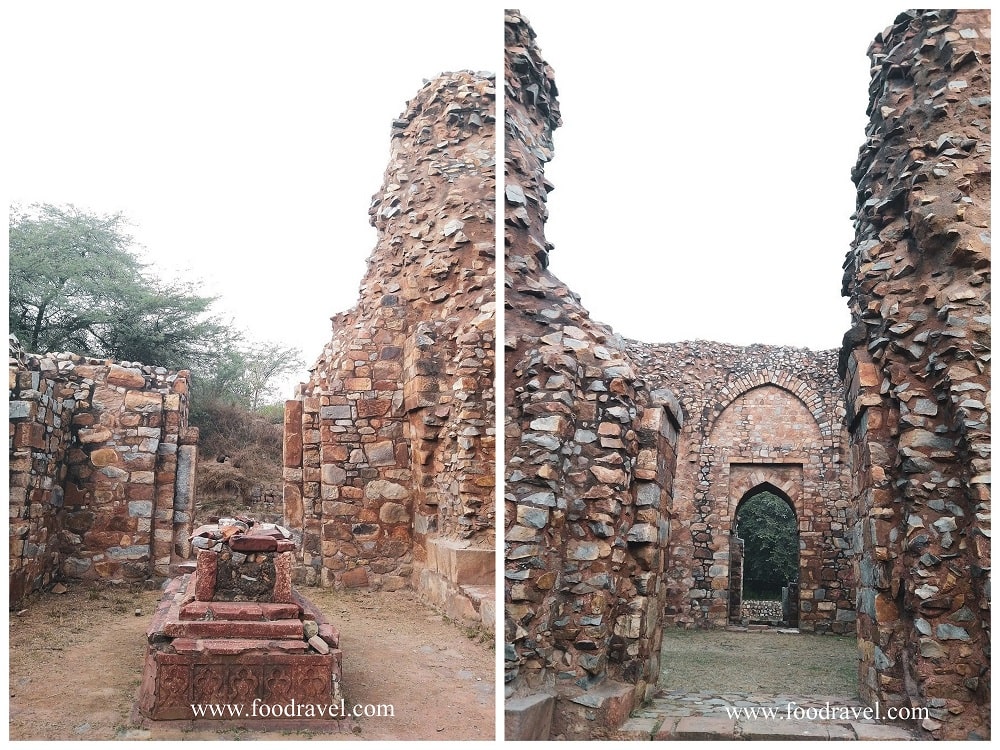
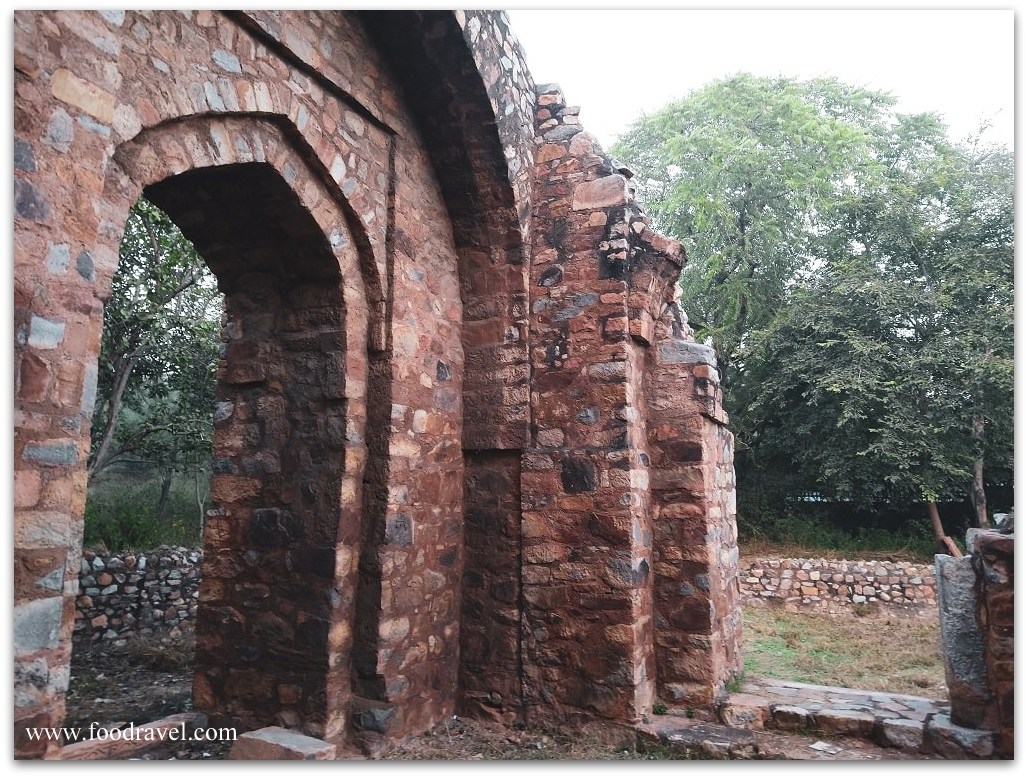
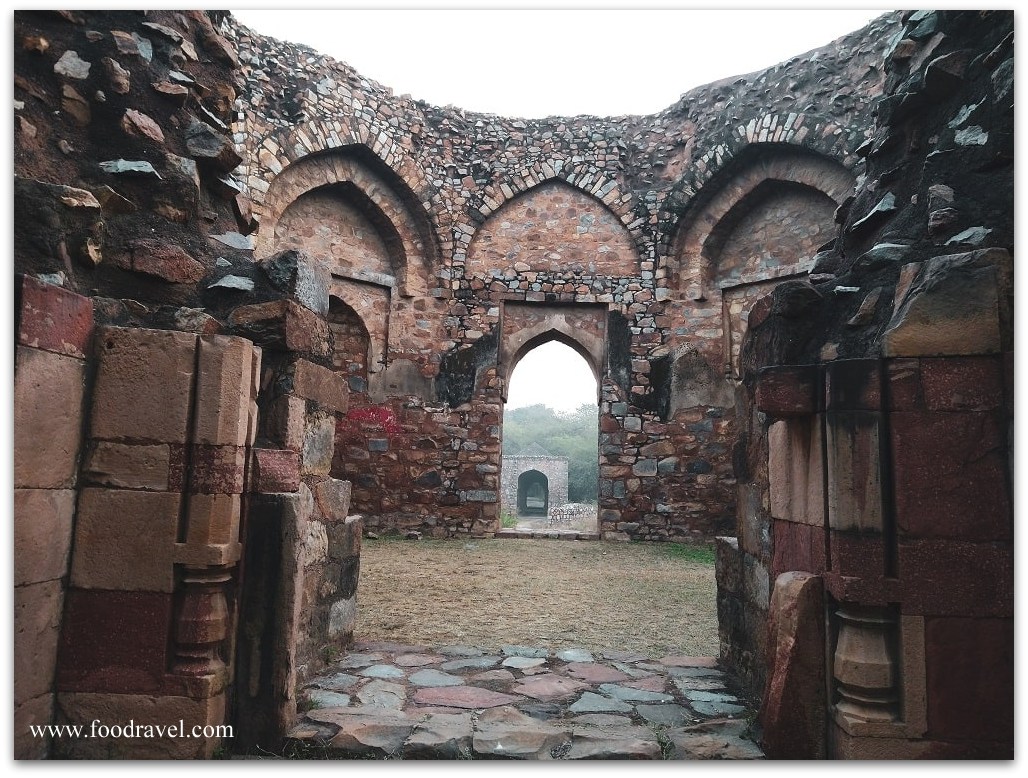
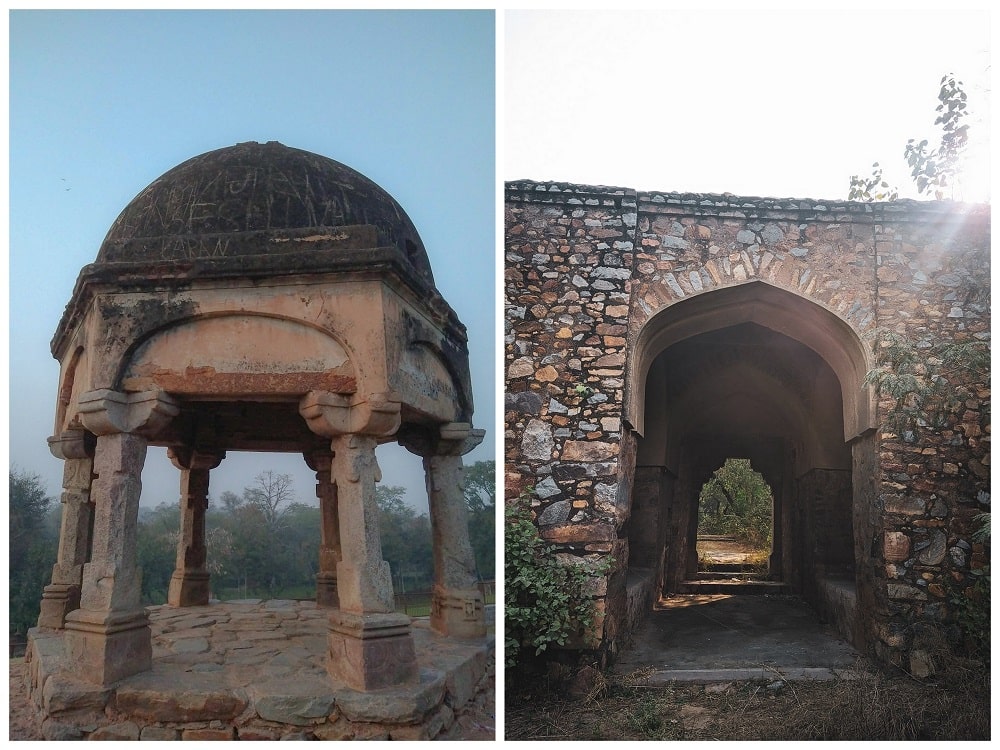
A masonry structure, the tomb of Balban is considered a fine example of early Indo-Islamic architecture. It was rediscovered around the mid-20th century, drawing attention for its architectural significance. Historians note that this tomb is the first in India to use a true arch. Prior to its discovery, the Qutub Minar complex was believed to showcase such techniques, but its arches were primarily corbelled rather than true arches. At the tomb of Balban, the walls feature arches constructed from stones arranged in a circular pattern, a significant departure from the horizontal corbelling used previously. Some scholars suggest the tomb may once have been crowned by a dome, though there is no conclusive evidence to support this.
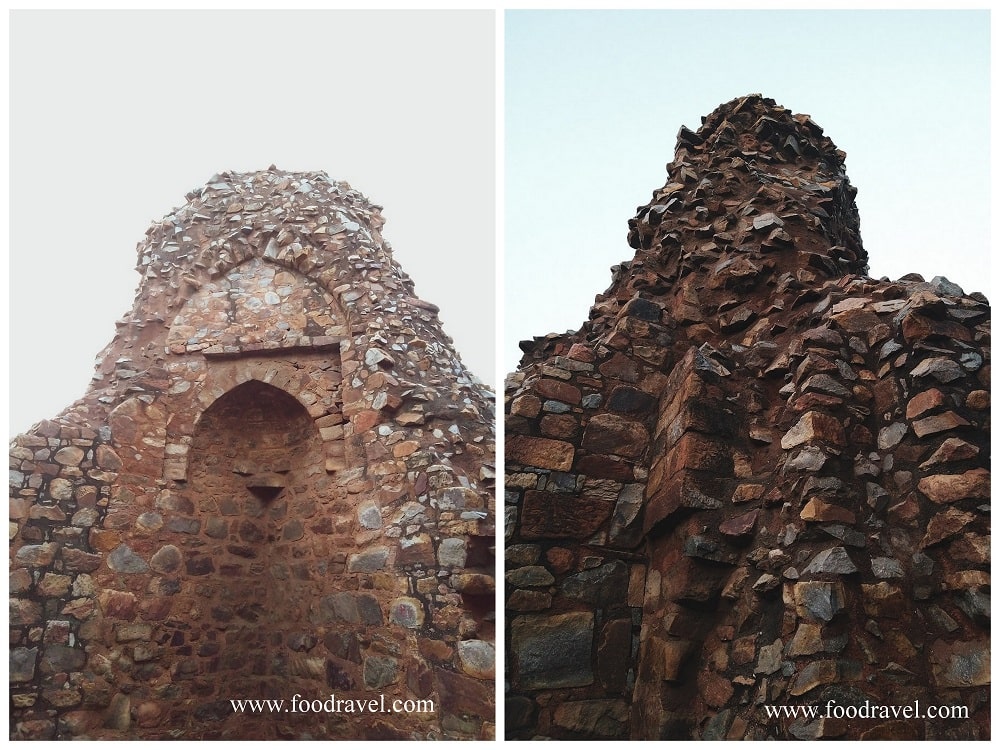

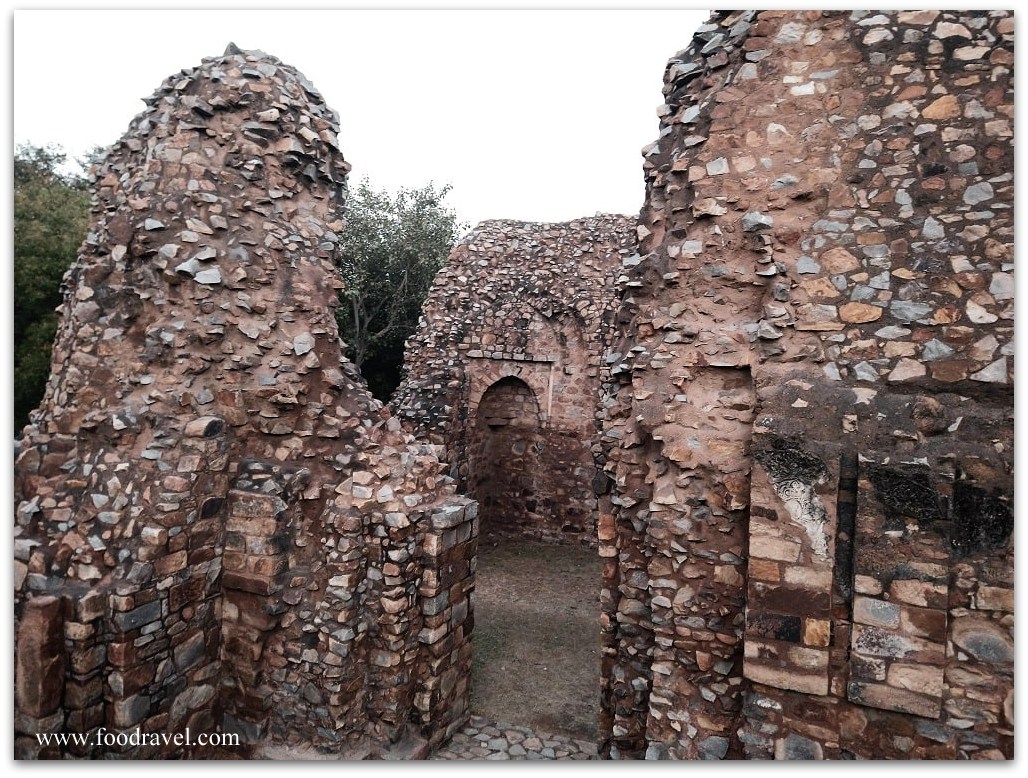
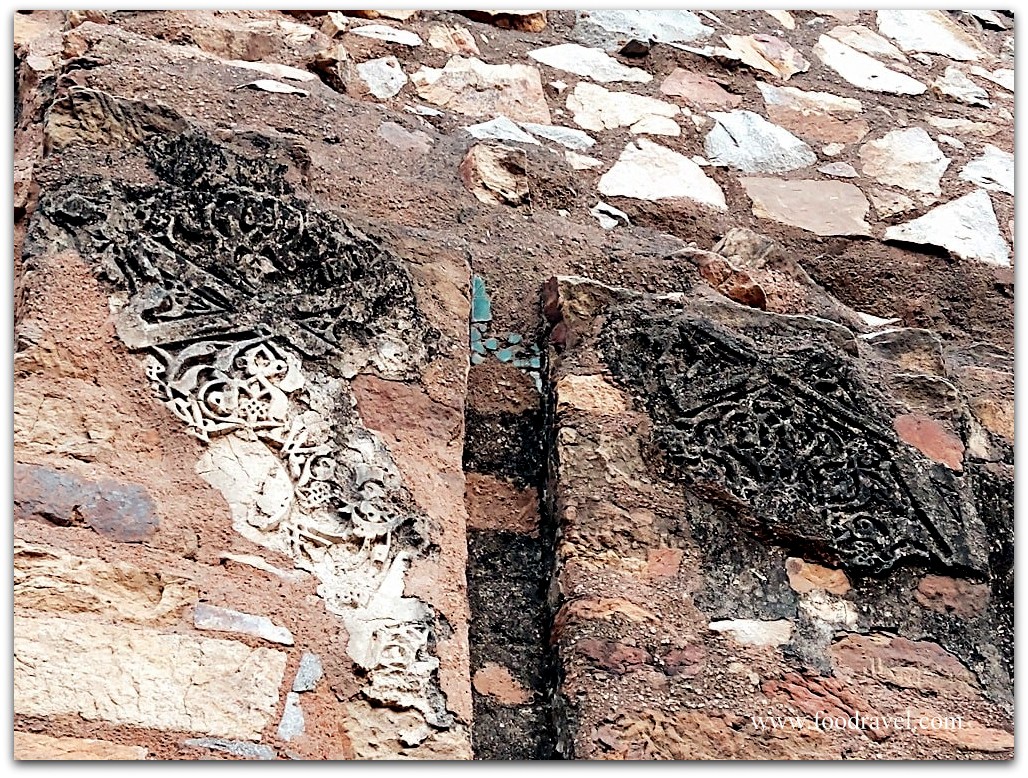
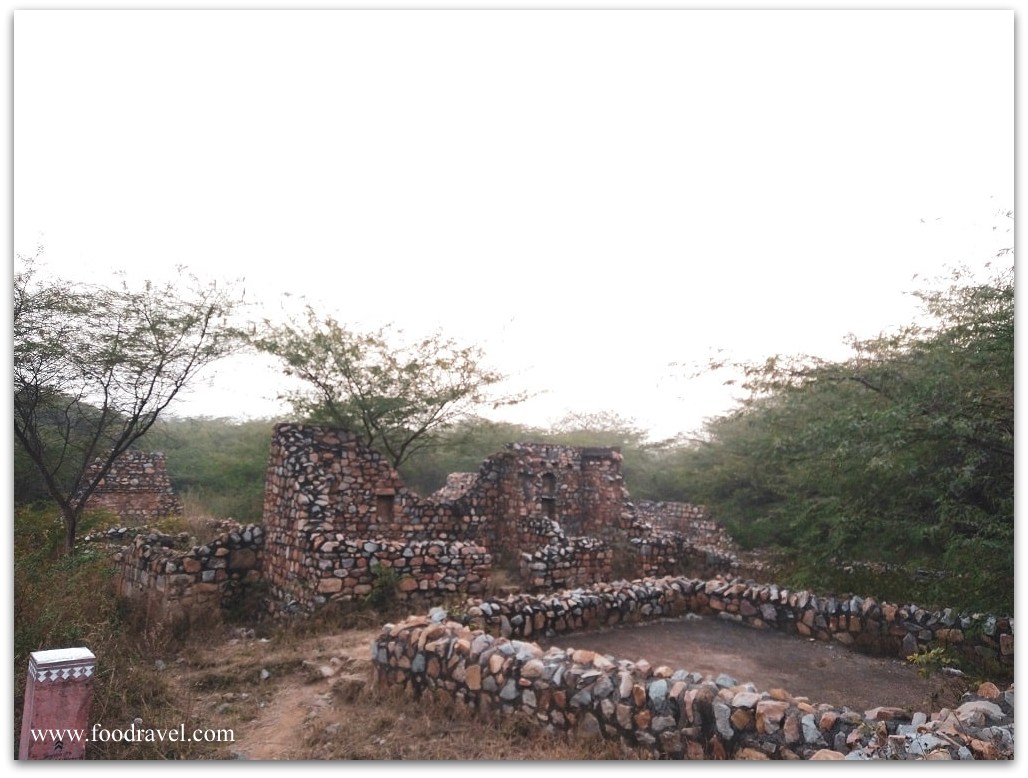
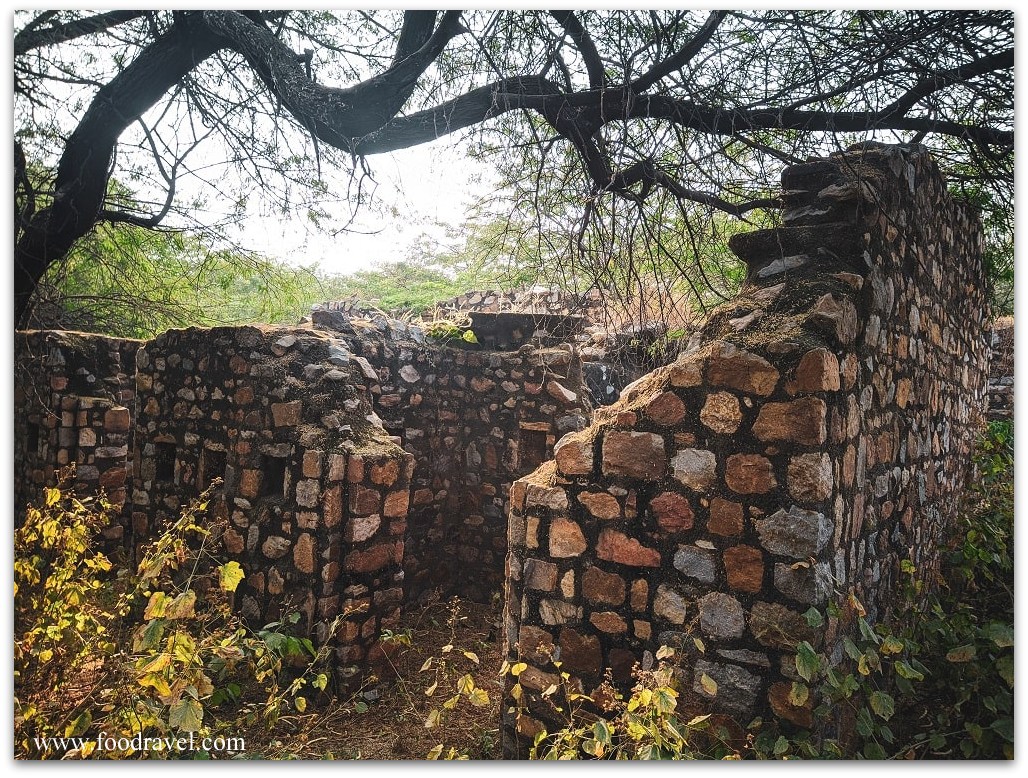
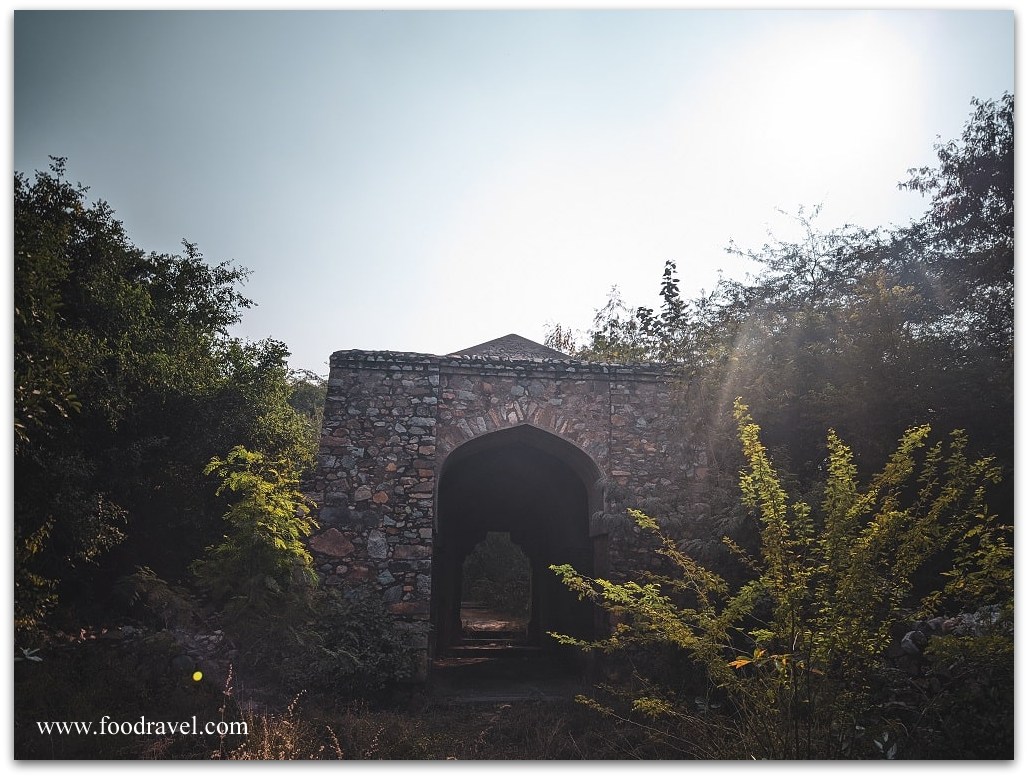
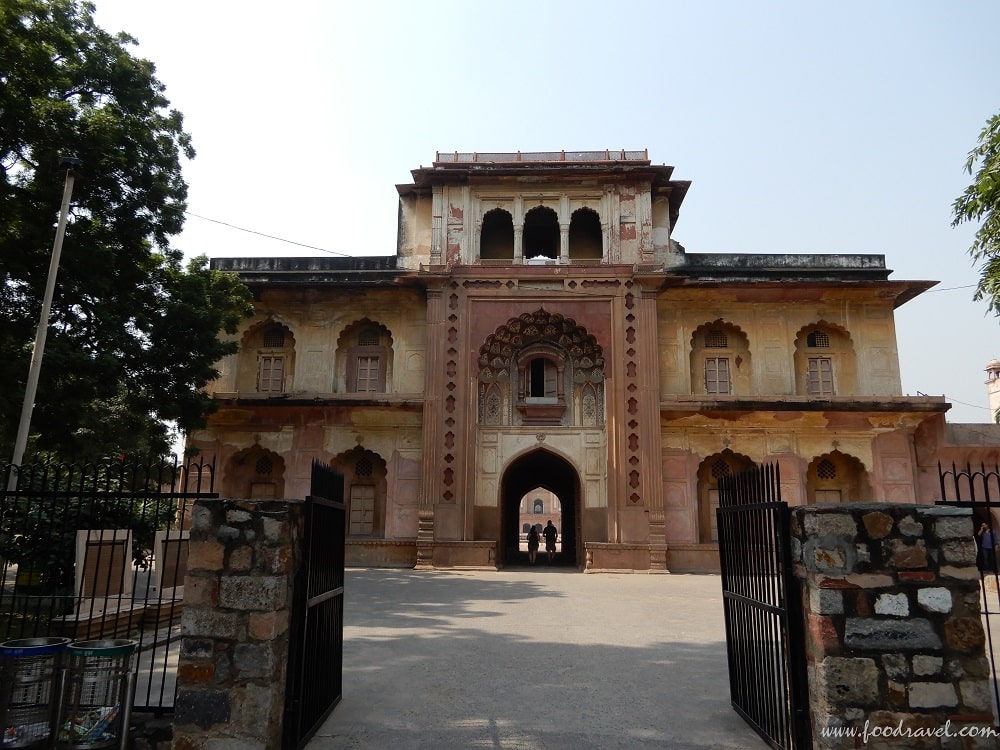
Next to the tomb is the grave of Balban’s son, featuring inscriptions in Persian calligraphy, likely verses from the Quran, though their exact meaning is unclear. The tomb complex also contains several other ruined structures, possibly rooms or quarters, whose original purpose is uncertain. Entering through the main gate, you can see a few more graves, about which little information is available. The entire area has become overgrown, with trees, insects, and reptiles taking over, indicating that the site is not properly maintained. In some places, remnants of decorative work can still be seen on the walls of the tomb, hinting at the architectural beauty that once existed.
Read Here – Tomb of Adham Khan (Akbar’s Foster Brother)
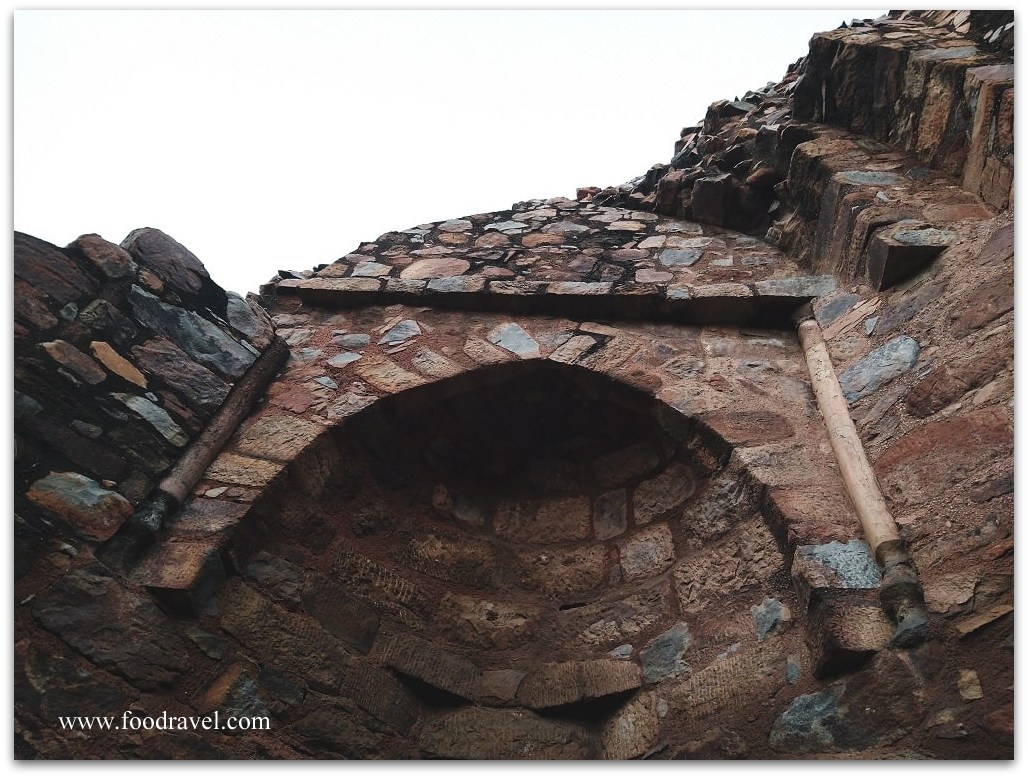
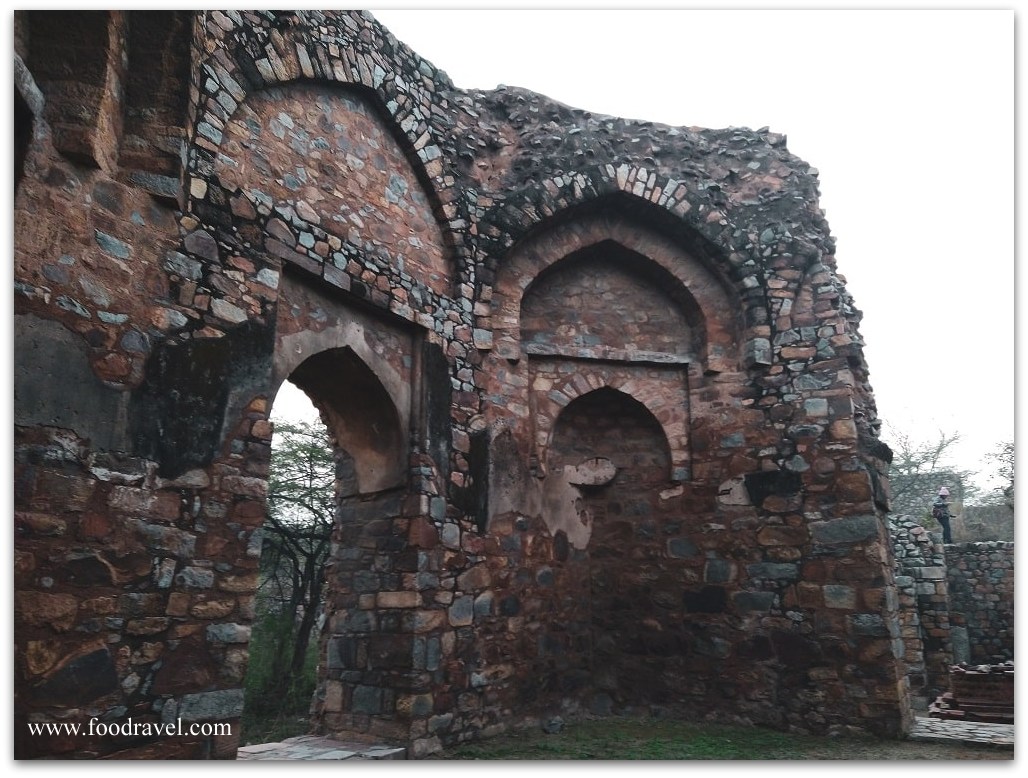
When I visited the tomb in January 2020, it was open. On my next visit in December 2020, it was locked, so I asked a security guard if I could go inside. He jokingly told me to climb over the wall carefully, which I did. By that time, the area had turned into a dense jungle. The main structures were almost hidden, swallowed by overgrowth and invisible from a distance. The tomb itself is built slightly below ground level, so visitors must step down a few stairs to enter the main chamber.
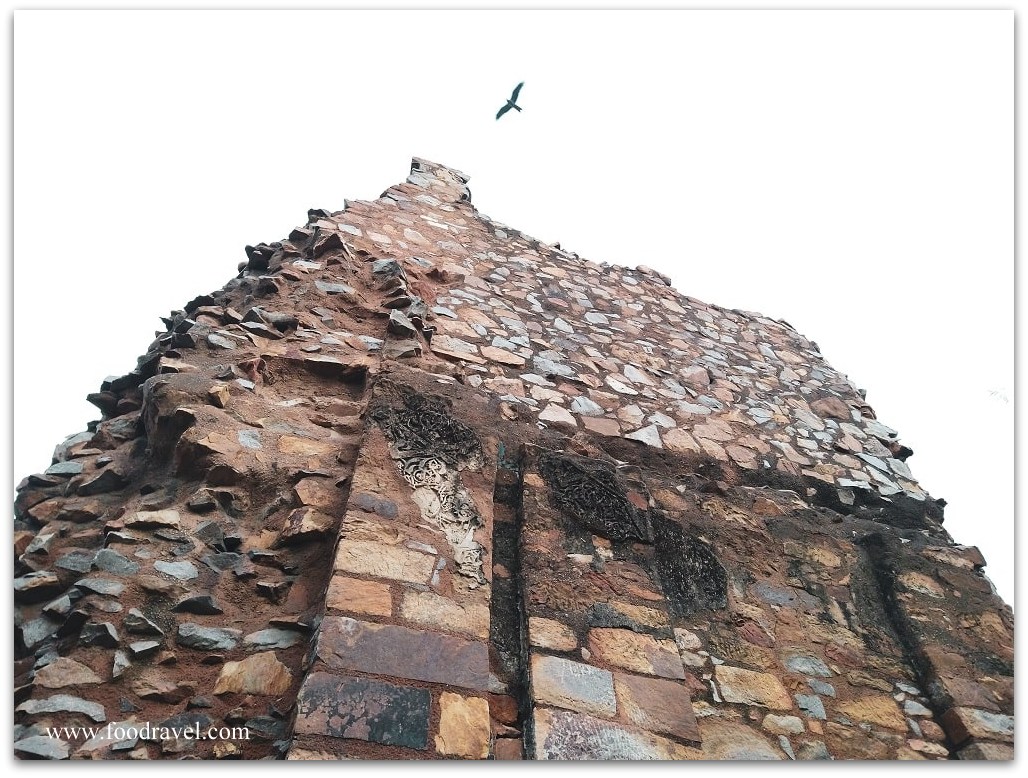
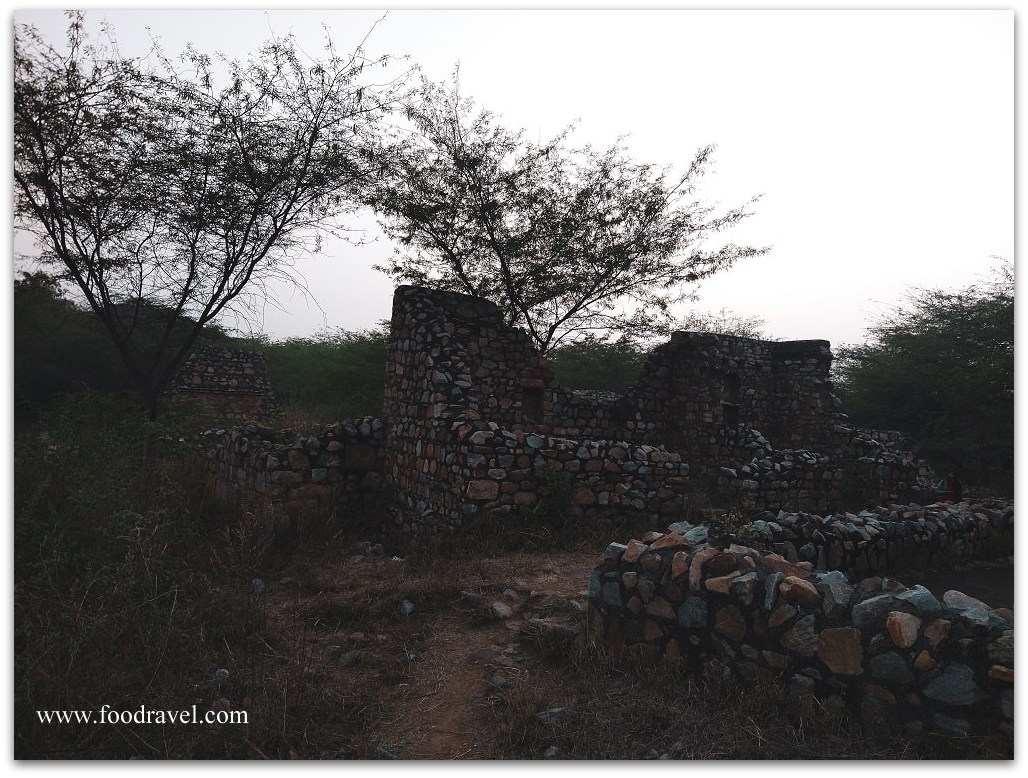

You won’t find Balban’s grave inside the tomb today. Though the structure was built as his burial place around 1287 CE, the actual location of his grave is unclear and no one knows who removed it or where it went. Only the broken walls of the tomb stand in their ruined condition now. Historians note that the tomb was rediscovered only in the mid‑20th century and that Balban’s burial chamber once existed but has since vanished.
Next to the main tomb lies the grave of his son, Khan Shahid, also called Sher Khan, who died fighting the Mongols. That grave still exists and has inscriptions, and visitors sometimes treat it with reverence.
Around the tomb you can see scattered ruins that once may have been part of the settlement or structures connected with the funerary complex. Because the site was long overgrown and poorly preserved, many people have woven stories around it, and local lore and beliefs sometimes mix history with superstition.
How to reach Balban’s Tomb, Mehrauli Archaeological Park
From Qutub Minar Metro Station
Get down at Qutub Minar Metro Station on the Yellow Line of the Delhi Metro. Exit the station from Gate No. 2. Cross the foot-over bridge from Gate No. 1. Walk along the road crossing Ashoka Mission for about 10 minutes (roughly 500 meters) and you’ll see the entrance to Mehrauli Archaeological Park on your left. The entrance has a tall board and a gate along the main road. Once you enter, follow the paths inside the park to reach the Tomb of Balban.
From Gurgaon
If you’re coming from Gurgaon by car or taxi, take NH48/Mehrauli–Gurgaon Road toward Delhi. You will pass by neighborhoods like Andheria More. The park entrance will be on your left side, roughly 500 meters before the Qutub Minar area. Slow down as you approach, because the entrance can blend into the roadside. Park nearby and walk into the park to explore the tomb and other ruins.
Tips for the final stretch
If you’re walking from the Qutub Minar area without a vehicle, it’s a pleasant 10 minute stroll through Mehrauli’s historic neighborhood and lanes.
Autos rickshaws from the metro also drop you near the park entrance if you want to skip the walk. (But I won’t recommend)


While staying in Delhi, I often wander through the hidden corners of the city, exploring the unexplored and searching for stories. The city has a charm that keeps drawing me back, and my love for it runs deep. On weekends, I often pack my bags and set out to roam, sometimes through Chandni Chowk, other times somewhere less familiar. Sometimes it is my first visit to a place, other times I return for a second or third look. Sometimes I wander alone, other times with someone by my side.


The information was very poignant and based on a true situation.