
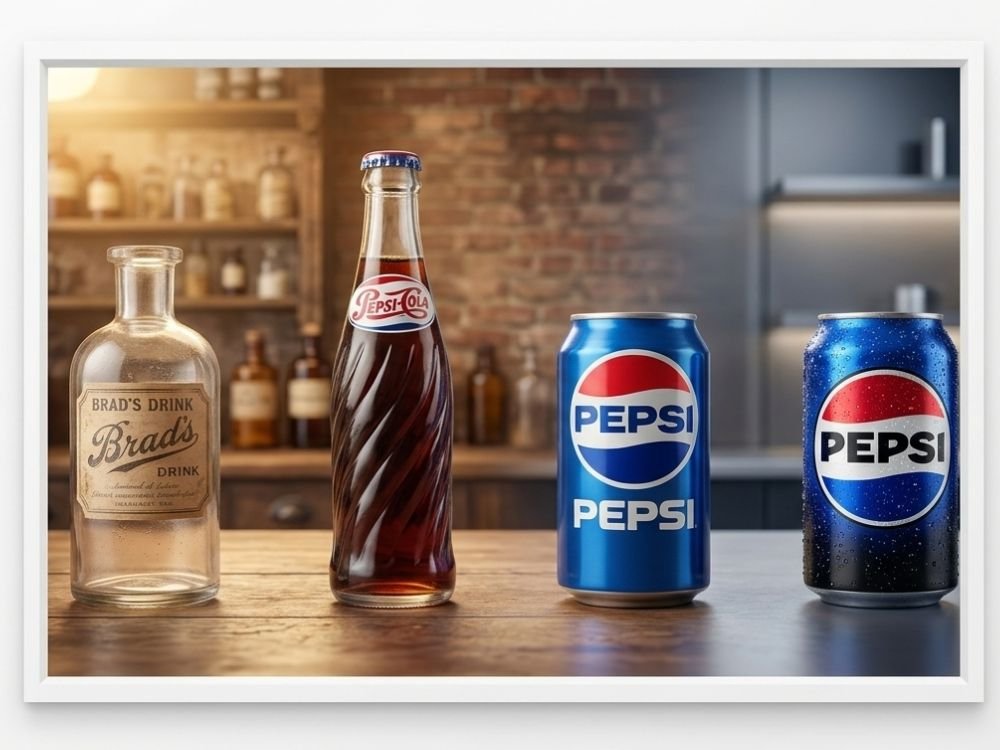
The history of pepsi cola is a remarkable story of bankruptcies, bold marketing gambles, and relentless comebacks. What started as a simple digestive tonic in a small North Carolina pharmacy grew into one of the best-selling beverage empires on the planet. Today, millions of people enjoy Pepsi at celebrations and everyday meals alike, yet few know the fierce struggles behind the iconic blue-and-red label. Join FoodRavel as we trace the complete pepsi cola history, from Caleb Bradham’s 1893 soda fountain experiment to a global cultural icon.

History of Pepsi Cola: Key Milestones and Evolution Over Time
Next time you crack open a cold can, think about how close this drink came to disappearing forever. When you dive into the history of pepsi cola, you realize it is not a smooth corporate success story. Twice, the company went completely bankrupt, and Coca-Cola even refused to buy it at rock-bottom prices. Yet as you scroll through these pepsi cola history facts, you will see how pure grit, five-cent bottles, and fearless pop-culture bets turned a small-town pharmacy tonic into a global giant. Ready to see how it happened? Let us walk through pepsi cola history, year by year.
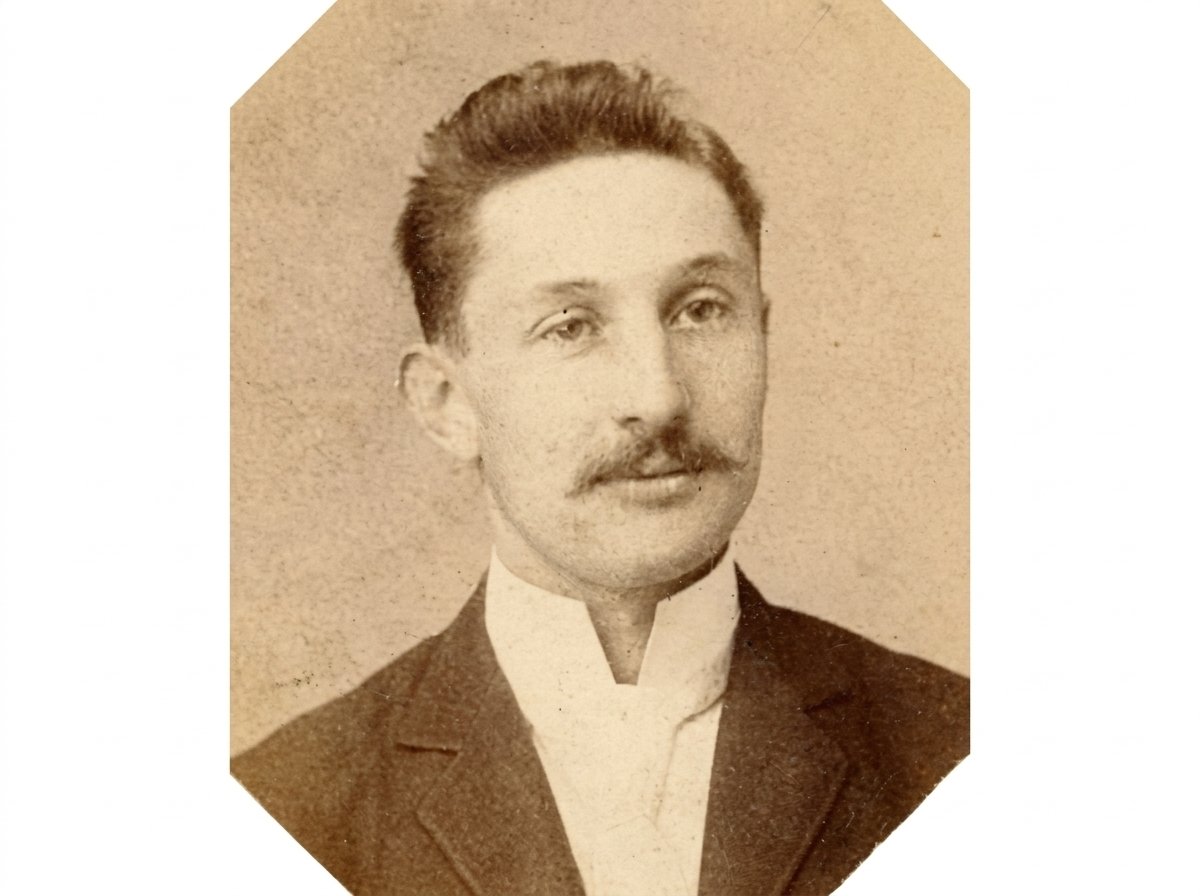
The Early Years: The Creation of Pepsi-Cola
From a pharmacist's soda fountain in North Carolina to an expanding beverage business. Discover how Caleb Bradham created Pepsi-Cola.
Pharmacist Caleb Davis Bradham began experimenting with soft drink recipes at his drugstore in New Bern, North Carolina, USA. He served his carbonated beverage at the pharmacy's soda fountain and initially called it Brad's Drink.
On August 28, Bradham renamed Brad's Drink Pepsi-Cola. The name reflected the drink's association with pepsin, a digestive enzyme, and kola nuts. The original formula also contained sugar, vanilla and other flavouring ingredients.
Bradham established the Pepsi-Cola Company in North Carolina and applied to register the Pepsi-Cola name as a trademark with the US Patent Office.
The Pepsi-Cola trademark was registered on June 16. Bradham moved production from his drugstore to a rented warehouse and began expanding the business. The company sold 7,968 gallons of syrup during its first year of warehouse operations.
Bradham purchased the Bishop Factory in New Bern for $5,000 and moved Pepsi-Cola's bottling and syrup operations there. The beverage was sold in six-ounce bottles.
Pepsi-Cola established its first bottling franchises in Charlotte and Durham, North Carolina, marking an important step in its expansion beyond New Bern.
Pepsi-Cola introduced a new logo and adopted the advertising slogan The Original Pure Food Drink. The company continued expanding its bottling network and registered its trademark in Canada.
Pepsi-Cola expanded its bottling network and continued increasing sales across the United States.
Pepsi-Cola adopted motorised delivery vehicles as part of its distribution operations, moving away from the traditional reliance on horse-drawn transport.
Automobile racing pioneer Barney Oldfield became one of Pepsi-Cola's earliest celebrity endorsers. Newspaper advertising associated the drink with refreshment and energy.
Pepsi-Cola held its first bottlers' convention in New Bern, North Carolina. By this period, the business had developed a network of independent bottlers across several states.
Following World War I, fluctuations in sugar prices created serious financial difficulties for Pepsi-Cola. Bradham had invested heavily in sugar supplies, and the subsequent fall in prices contributed to the company's financial collapse.
Bankruptcy and Reorganisation
Two bankruptcies, changing ownership and a bold pricing strategy. Pepsi-Cola's survival depended on a new generation of business leaders and a different way of competing with Coca-Cola.
After the collapse of post-war sugar prices, the Pepsi-Cola Company declared bankruptcy. Founder Caleb Bradham had purchased large quantities of sugar when prices were high, expecting them to rise further. Instead, prices plunged, leaving the company unable to recover from its financial losses.
Following the bankruptcy, Pepsi-Cola's trademark, recipe and other business assets passed into the hands of creditors. New York investment broker Roy C. Megargel subsequently acquired the business interests and attempted to revive the brand. The acquisition is commonly reported at approximately $35,000.
Megargel reorganised Pepsi-Cola and moved its operations from North Carolina to Richmond, Virginia. He invested his own money to keep the business operating and tried to rebuild its distribution network. However, Pepsi remained a relatively small competitor in a market dominated by Coca-Cola.
Megargel reorganised the business as the National Pepsi-Cola Corporation. The restructuring gave the brand another opportunity to establish a financially sustainable operation.
Charles G. Guth, a businessman associated with the candy and retail industry, sold his Mavis confectionery business to Loft, Inc. in exchange for Loft stock. He subsequently became a powerful figure within Loft, which operated a large chain of candy stores and soda fountains.
Guth consolidated his influence within Loft and became its president. His growing control over the company would later provide the financial resources, retail outlets and distribution infrastructure that Pepsi-Cola needed to reach more consumers.
The National Pepsi-Cola Corporation entered bankruptcy for the second time. The Great Depression had intensified the company's financial difficulties. Loft, Inc. acquired the Pepsi-Cola business under Charles Guth's leadership, giving the struggling brand another chance to survive.
Guth used Loft's facilities, laboratories and chemists to reformulate Pepsi-Cola's syrup. He also replaced Coca-Cola with Pepsi at Loft's soda fountains and retail outlets. The strategy gave Pepsi access to an existing network of stores, although the initial response from customers was not encouraging.
Pepsi-Cola experimented with a larger 12-ounce bottle priced at ten cents, compared with the standard six-ounce bottle sold for five cents. The larger bottle initially failed to deliver the value proposition Guth wanted. The company continued searching for a pricing strategy that could attract consumers during the Depression.
By the end of the year, Guth had acquired Megargel's interest in Pepsi-Cola and secured approximately 91% ownership of the company. He also made a crucial pricing decision. Pepsi's 12-ounce bottle was offered for five cents, matching the price of competing six-ounce cola bottles. The larger serving gave consumers a compelling reason to choose Pepsi.
Pepsi's 12-ounce bottle for five cents became a major success. The offer was introduced in Baltimore, where it quickly attracted customers. At a time when consumers were particularly conscious of their spending, Pepsi offered twice the quantity for the same price as its smaller competitors. Sales increased dramatically.
Caleb D. Bradham died on February 19, 1934, aged 66. The pharmacist who had created Brad's Drink in 1893 and named it Pepsi-Cola in 1898 did not live to see the brand's subsequent national expansion.
Pepsi ended its bottling arrangement with the Mavis Bottling Company in Long Island City, New York, and began leasing the company's bottling plant at 47–51 33rd Street. This gave Pepsi greater control over its bottling operations in the New York market.
Guth purchased the Long Island City bottling plant outright and moved Pepsi-Cola's wider operations into the building, including its executive offices. The company also began establishing national territorial boundaries for its bottler franchise system, helping organise its expanding distribution.
Loft, Inc. initiated legal proceedings against Guth, claiming that he had used Loft's money, facilities and resources to build his personal controlling interest in Pepsi-Cola. The dispute would become a major ownership battle between Guth and Loft.
Pepsi's expansion accelerated. The company granted 94 new bottling franchises in the United States. Its year-end profits reportedly reached $2.1 million, reflecting the commercial impact of the five-cent 12-ounce bottle and its growing distribution network.
Pepsi continued investing in its manufacturing and distribution infrastructure. In November, the company purchased three parcels of land along the East River in Long Island City from Socony-Vacuum Oil Company. The site offered access to docks, factory space and large outdoor areas for truck operations.
The legal battle between Guth and Loft reached a significant turning point. On September 17, the Delaware Court of Chancery ruled in Loft's favour, finding that Guth had improperly used Loft's resources to acquire his controlling interest in Pepsi-Cola. Guth appealed the decision.
Pepsi's international presence continued to develop. Historical accounts record the registration of the Pepsi-Cola trademark in the Soviet Union during this period. The company was also building its Canadian bottling network, with 85 bottlers reported to be operating across Canada.
Pepsi introduced its famous Nickel, Nickel radio advertising jingle, promoting the 12-ounce bottle for five cents. The campaign highlighted Pepsi's value advantage over competing colas and became one of the earliest coast-to-coast radio advertising jingles in the United States.
The ownership dispute between Guth and Loft continued. The Delaware Supreme Court rejected Guth's appeal, leaving Loft's claim to the Pepsi-Cola shares intact. Guth's control over the business was consequently weakened, setting the stage for the eventual corporate reorganisation in 1941.
Pepsi’s Rise Through Advertising and Corporate Expansion
From a new corporate structure and post-war growth to the Pepsi Generation and the creation of PepsiCo. Pepsi transformed itself into a major force in the global food and beverage industry.
Pepsi's Nickel, Nickel radio jingle, introduced in 1939, gained national recognition. Its catchy message reinforced the brand's central selling point: a 12-ounce bottle of Pepsi for five cents, offering twice as much cola as the standard smaller bottle sold at the same price.
The ownership dispute between Charles Guth and Loft reached its conclusion. Loft, Inc. and Pepsi-Cola were formally combined through a corporate reorganisation. The resulting company took the name Pepsi-Cola Company, bringing the beverage business and Loft's corporate interests under a new structure.
Pepsi modernised its visual identity, changing the lettering of its logo and introducing a design influenced by the red, white and blue colours of the American flag. The updated identity reflected the wartime period and gave the brand a more recognisable national appearance.
During World War II, Pepsi continued promoting its American identity and its affordable bottle. The company also faced the wider wartime pressures affecting beverage manufacturers, including restrictions on materials, packaging and distribution.
Pepsi introduced a revised bottle label and continued developing its post-war marketing. The company was preparing to compete in a changing consumer market as American production and distribution recovered after the war.
Pepsi's advertising moved beyond the original five-cent value message. The company promoted the drink as a refreshing part of everyday life. Its advertising archives document the Have a Pepsi, the Light Refreshment campaign during this period.
Pepsi began advertising on American television. The company also modernised its familiar script logo, updating the brand's visual identity for the television age. Television would become an increasingly important platform for Pepsi's national advertising.
Alfred N. Steele, a former Coca-Cola executive, became president of Pepsi-Cola. His leadership brought a stronger focus on marketing, distribution and competition with Coca-Cola. Steele would later become chairman of the company.
Pepsi introduced its distinctive red, white and blue bottle cap. The design brought the three colours together in a circular pattern that would later influence the brand's familiar globe logo.
Pepsi introduced the advertising message Be Sociable, Have a Pepsi, positioning the drink as part of social occasions and everyday gatherings. The campaign reflected the company's shift towards lifestyle-oriented advertising rather than relying solely on price.
Pepsi continued developing its Light Refreshment advertising. Campaigns increasingly associated the beverage with a lighter, more refreshing experience and reflected changing consumer tastes during post-war America.
Pepsi introduced its distinctive swirl bottle, a contoured glass bottle designed to stand out from competing cola packaging. The bottle became one of the brand's memorable packaging designs and reinforced Pepsi's visual identity.
Pepsi continued promoting the Be Sociable, Have a Pepsi message through print and television advertising. Its campaigns increasingly showed Pepsi as a drink associated with leisure, hospitality and social occasions.
Pepsi's advertising began placing greater emphasis on younger consumers. The company was preparing to position itself around the tastes and attitudes of the emerging post-war generation.
Pepsi introduced the advertising theme Now It's Pepsi for Those Who Think Young. The campaign moved the brand further away from its earlier emphasis on quantity and price. Instead, Pepsi increasingly associated itself with youth, modernity and a changing American culture.
Pepsi launched the landmark Come Alive! You're in the Pepsi Generation campaign. The message presented Pepsi as the drink of a new generation and established a distinctive identity that would shape the company's advertising for years.
Pepsi introduced Diet Pepsi, becoming one of the first major cola brands to launch a nationwide diet cola. The product expanded the company's portfolio beyond its original flagship beverage and responded to growing consumer interest in lower-calorie soft drinks.
Pepsi-Cola acquired the rights to Mountain Dew from the Tip Corporation of Marion, Virginia. The acquisition added a citrus-flavoured soft drink to Pepsi's portfolio and gave the company another brand with potential for national distribution.
Pepsi developed the For Those Who Think Young and Come Alive advertising campaigns. These campaigns strengthened the association between Pepsi and younger consumers, making generational identity a central part of its brand positioning.
Pepsi-Cola Company merged with Frito-Lay, Inc. The merger was led by Donald M. Kendall, president and chief executive of Pepsi-Cola, and Herman W. Lay, chairman and chief executive of Frito-Lay. The combination brought beverages and packaged snacks under one corporate organisation.
PepsiCo, Inc. was incorporated in Delaware. The merger created a new food and beverage company, combining Pepsi-Cola's soft drink business with Frito-Lay's snack food operations. This marked the beginning of PepsiCo as a corporation.
PepsiCo continued operating its beverage and snack businesses under the new corporate structure. The company also expanded its corporate interests through acquisitions, including Lease Plan International Corporation, a vehicle leasing business.
PepsiCo continued developing its international business and expanding the reach of its beverage and snack brands. Pepsi-Cola's advertising archives document the growing use of international marketing materials during the late 1960s, alongside campaigns aimed at younger consumers in the United States.
Pepsi's advertising evolved with the campaign Taste That Beats the Others Cold, which ran during 1968 and 1969. The message returned attention to the product's taste while retaining the youthful identity established by the Pepsi Generation campaign.
Pepsi introduced the campaign You've Got a Lot to Live, Pepsi's Got a Lot to Give. The advertising reflected the social and cultural changes of the late 1960s and continued the brand's effort to connect with younger consumers.
International Expansion and the Cola Wars
Pepsi challenged Coca-Cola on taste, expanded into new international markets and transformed its advertising through music, celebrities and popular culture. The rivalry between the two cola giants entered a new era.
PepsiCo moved its world headquarters from Manhattan to Purchase, New York. The company also introduced the industry's first two-litre soft drink bottles, responding to the growing demand for larger household servings. Pepsi continued developing lightweight, recyclable plastic packaging as an alternative to traditional glass bottles.
Pepsi continued expanding its international distribution network. Its growing overseas operations were supported by local bottling partnerships, allowing the company to enter markets where importing finished bottles would have been commercially difficult.
PepsiCo reached an agreement with the Soviet Union to introduce Pepsi-Cola into the country's market. The arrangement followed Donald Kendall's efforts to establish business relations with Soviet leaders after the 1959 Moscow exhibition. Since Soviet currency could not be freely exchanged internationally, Pepsi agreed to receive Stolichnaya vodka distribution rights in the United States in return for its cola concentrate and related business arrangements. Pepsi became the first American consumer product to be produced and sold in the Soviet market under this arrangement.
Pepsi prepared to establish local production in the Soviet Union. The agreement required Soviet bottling facilities to manufacture Pepsi-Cola using concentrate supplied by PepsiCo, creating a model for the company's expansion into markets with restrictions on foreign currency and imports.
Pepsi opened its first bottling plant in the Soviet Union at Novorossiysk, on the Black Sea. It became the first Western branded consumer product to be manufactured in the country. The plant marked a major breakthrough in Pepsi's international expansion during the Cold War.
Pepsi continued developing its beverage portfolio and promoting Mountain Dew through national television advertising. The brand introduced the campaign Hello, Sunshine, Hello Mountain Dew, helping the citrus-flavoured drink reach a wider American audience.
Pepsi launched the landmark Pepsi Challenge in Dallas, Texas. Consumers were invited to take blind taste tests in which they sampled Pepsi and Coca-Cola from unmarked cups and chose their preferred drink. The results frequently favoured Pepsi. The company turned these public taste tests into television advertisements, directly challenging Coca-Cola's dominance.
The Pepsi Challenge expanded beyond its original test market. Pepsi organised sampling events in shopping centres, supermarkets and public spaces, using ordinary consumers rather than celebrity endorsements as the centre of its advertising. The campaign gave Pepsi a powerful way to question the assumption that Coca-Cola was the preferred cola.
Pepsi became the largest-selling soft drink brand in American supermarkets, an important milestone in its competition with Coca-Cola. Its advertising shifted towards the everyday pleasures of drinking Pepsi. The company introduced the Have a Pepsi Day! campaign, supported by memorable commercials such as Puppies.
PepsiCo appointed John Sculley president of Pepsi-Cola at the age of 37. Sculley became an important figure in the company's marketing-led approach to competition. He would later become chief executive of Apple Computer in 1983.
PepsiCo acquired Taco Bell, entering the restaurant business and extending its corporate portfolio beyond packaged food and beverages. The acquisition began a period of major expansion into quick-service restaurants.
PepsiCo acquired Pizza Hut, adding another major restaurant chain to its growing portfolio. The company also introduced 12-pack beverage cans and experimented with new Pepsi flavours, expanding consumer choice and convenient packaging options.
Pepsi's challenge to Coca-Cola produced a major commercial milestone. Pepsi overtook Coca-Cola in American grocery-store sales, although Coca-Cola continued to lead the overall soft drink market. The result demonstrated how far Pepsi had advanced from its position as the smaller competitor.
Pepsi became the number-one soft drink brand in the American take-home market, which included grocery and convenience-store sales. The Pepsi Challenge had helped establish the brand as a serious competitor to Coca-Cola in the packaged beverage market.
PepsiCo reached an agreement with China to manufacture soft drinks in the country. The arrangement opened the door to a major new market, with local production scheduled to begin in 1982.
Pepsi introduced Pepsi Free, a caffeine-free version of its cola, nationwide in the United States. The product expanded Pepsi's range for consumers looking for a caffeine-free alternative without switching to a different type of soft drink.
Pepsi began local soft drink production in China following the agreement reached the previous year. The expansion strengthened PepsiCo's presence in Asia and established an important foundation for its future business in the Chinese market.
The Pepsi Challenge had expanded to a large part of the United States. By this year, the campaign was active in approximately 75% of Pepsi's American markets. Its blind taste tests had become a defining feature of the cola rivalry.
Pepsi ended its original Pepsi Challenge advertising campaign after several years of comparative taste tests. The campaign had helped narrow the gap with Coca-Cola, but the company was concerned that the aggressive tone could make Pepsi appear overly confrontational. Mountain Dew also introduced its Dew It to It advertising theme.
Pepsi launched the Choice of a New Generation campaign, renewing its association with youth, music and popular culture. The advertising presented Pepsi as the preferred drink of a younger generation and became one of the brand's most recognisable marketing platforms.
Pepsi signed a major endorsement agreement with Michael Jackson and his brothers. The campaign featured Jackson performing a Pepsi-themed version of Billie Jean and helped connect the brand with the global popularity of pop music. The commercials became a landmark in celebrity-led beverage advertising.
During the filming of a Pepsi commercial at the Shrine Auditorium in Los Angeles, pyrotechnics ignited Michael Jackson's hair. He suffered burns to his scalp and was taken to hospital for treatment. The accident occurred during the production of the advertising campaign, bringing unexpected attention to the commercial and Pepsi's association with the singer.
Pepsi introduced Slice, a lemon-lime soft drink containing real fruit juice. The product helped establish the juice-added soft drink category. Its success led to further flavours, including Mandarin Orange Slice, which became a major competitor in the orange soft drink market.
Diet Pepsi was reformulated using NutraSweet, the brand name for aspartame. The change reflected the growing use of alternative sweeteners in diet beverages and helped the product compete in the expanding low-calorie soft drink market.
Coca-Cola introduced New Coke on April 23, replacing its original formula with a sweeter recipe following years of declining competitiveness and consumer preference tests that had favoured Pepsi. The change triggered an extraordinary backlash from loyal Coca-Cola drinkers. Pepsi used the controversy to reinforce its own advertising message, presenting itself as the cola consumers had already chosen.
Following widespread consumer protests, Coca-Cola announced the return of its original formula under the name Coca-Cola Classic. Pepsi had gained enormous publicity from the episode, but Coca-Cola's decision to restore its original drink helped the rival brand recover its position. The New Coke episode became one of the most famous marketing failures in corporate history.
Pepsi became part of the emerging competition over commercial products in space. An experimental Pepsi space can was tested aboard the Space Shuttle Challenger. The specially designed container addressed the difficulty of drinking carbonated beverages in microgravity.
Pepsi's New Generation campaign continued with high-profile advertising featuring Lionel Richie. The campaign received major advertising and film-related awards, reinforcing Pepsi's strategy of combining music, entertainment and celebrity endorsements.
PepsiCo acquired Kentucky Fried Chicken (KFC), adding another major restaurant chain to its portfolio alongside Taco Bell and Pizza Hut. The acquisition made PepsiCo one of the largest operators in the American quick-service restaurant industry.
PepsiCo acquired Mug Root Beer, expanding its beverage portfolio with another established soft drink brand. The company also acquired international 7-Up operations in Canada, strengthening its position in the Canadian beverage market.
Donald M. Kendall retired as chairman of PepsiCo. He was succeeded by D. Wayne Calloway, who took over leadership as the company continued expanding its food, beverage and restaurant businesses.
Roger Enrico was appointed president and chief executive of PepsiCo Worldwide Beverages. He became one of the central figures in Pepsi's marketing strategy and its continuing competition with Coca-Cola.
Pepsi-Cola moved its world headquarters from Purchase to Somers, New York. The company also returned to Broadway after a 27-year absence with the unveiling of a large illuminated Pepsi sign in Times Square.
Craig Weatherup was appointed president and chief executive of Pepsi-Cola Company. His leadership would later extend to the company's North American beverage operations.
Pepsi announced a major endorsement agreement with Madonna, reportedly worth $5 million. The partnership included a television commercial and sponsorship of her upcoming concert tour. The commercial, titled Make a Wish, introduced Madonna's new song Like a Prayer to television audiences before the album's release.
Pepsi's Madonna campaign became controversial after the release of the separate Like a Prayer music video, which featured religious imagery that provoked protests from conservative groups. Although Pepsi's commercial itself did not contain the same imagery, some viewers confused the advertisement with the music video. The company faced boycott threats and intense public attention.
Pepsi withdrew its Madonna television advertisement following consumer complaints and boycott threats. The company also ended its plans for further Madonna advertising and withdrew from the associated promotional arrangement. The episode became a major example of the risks involved in celebrity partnerships and the separation between an artist's creative work and a brand's public image.
Pepsi introduced Wild Cherry Pepsi, adding a cherry-flavoured version to its cola range. The brand also used the A Generation Ahead message as it moved towards a new decade of advertising and competition.
Chris Sinclair was appointed president of Pepsi-Cola International, reflecting the growing importance of Pepsi's overseas business. International expansion was becoming an increasingly central part of the company's long-term growth strategy.
Brand Reinvention and New Product Launches
Pepsi entered the 1990s with a new generation of advertising, experimental beverages and ambitious international plans. At the corporate level, PepsiCo began reshaping its portfolio, setting the stage for a much broader food and beverage business.
Pepsi continued its association with major sporting events and popular culture, using music and celebrity partnerships to reinforce its identity as a youthful alternative to Coca-Cola. Its advertising increasingly focused on entertainment, lifestyle and international audiences.
PepsiCo formed the Pepsi-Lipton Tea Partnership with Unilever. The joint venture brought together Pepsi's beverage distribution network and Lipton's tea expertise to develop and market ready-to-drink iced tea products. Lipton Iced Tea expanded PepsiCo's presence beyond carbonated soft drinks.
Pepsi introduced a redesigned visual identity. The updated logo retained the familiar red, white and blue colours while giving the wordmark and surrounding graphics a more contemporary appearance. The redesign reflected the company's effort to modernise the brand for a new decade.
Pepsi launched Crystal Pepsi in the United States. The caffeine-free, clear cola was marketed as a different kind of soft drink, taking advantage of consumer interest in clear beverages and new product experiences. Its transparent appearance distinguished it from traditional caramel-coloured cola.
Pepsi's Crystal Pepsi launch was supported by a major advertising campaign built around the idea of clarity and a new cola experience. The product generated considerable curiosity, but its unusual positioning also created a challenge. Consumers who expected a conventional cola experience did not necessarily find the taste and concept convincing.
Pepsi-Cola Products Philippines launched Number Fever, a nationwide promotion involving Pepsi, 7-Up, Mirinda and Mountain Dew. Bottle caps carried three-digit numbers and security codes, with cash prizes ranging from smaller amounts to a grand prize of one million Philippine pesos. The promotion initially attracted enormous public interest.
The Number Fever promotion turned into a major public controversy after Pepsi announced 349 as a winning number. Thousands of people presented bottle caps bearing that number, but many did not carry the matching security code required under the promotion's rules. Pepsi refused to pay those claims, leading to protests, public anger and legal disputes across the Philippines. The controversy became known as the 349 incident.
The Number Fever dispute continued long after the promotion ended. Consumers demanded payment, legal complaints were filed and Pepsi faced intense criticism over how the promotion had been communicated and administered. The controversy damaged the company's reputation in the Philippines and became one of the most notorious promotional failures in the history of the beverage industry.
Pepsi's television advertising featured Cindy Crawford in a commercial that became one of the brand's best-known campaigns of the decade. The advertisement showed the supermodel stopping at a roadside vending machine to buy a Pepsi, connecting the brand with the fashion and celebrity culture of the early 1990s.
Pepsi discontinued Crystal Pepsi in the United States after its initial launch failed to establish lasting demand. The product demonstrated the risks of relying on novelty and packaging differences without creating a strong enough reason for consumers to switch from their usual cola.
Pepsi continued developing its international low-calorie beverage portfolio. In several markets outside the United States, Pepsi Max was introduced as a no-sugar cola aimed at consumers who wanted the taste of cola without the sugar content of regular Pepsi.
PepsiCo and Starbucks formed the North American Coffee Partnership. The companies joined forces to develop, produce and distribute ready-to-drink coffee beverages, combining Starbucks' coffee brand with PepsiCo's large-scale manufacturing and distribution capabilities.
The Pepsi-Starbucks partnership introduced ready-to-drink bottled Frappuccino products in the following years. The collaboration marked PepsiCo's entry into a growing packaged coffee category and laid the foundation for a long-running commercial partnership between the two companies.
PepsiCo expanded the international reach of its snack business. The company introduced the Lay's brand in 20 additional markets around the world, taking its flagship potato-chip brand to more consumers outside the United States. This was part of a wider effort to build globally recognised snack brands.
Pepsi continued using major entertainment and sporting partnerships to promote its brand internationally. Its campaigns increasingly presented Pepsi as a global youth brand, with music, sport and celebrity culture forming a central part of its identity.
Roger Enrico became chairman and chief executive officer of PepsiCo. He had played a major role in Pepsi's marketing strategy and its competition with Coca-Cola. His appointment came as the company prepared for a significant restructuring of its business portfolio.
Pepsi launched Pepsi Stuff, a major consumer loyalty promotion in the United States. Customers collected points from Pepsi packaging and redeemed them for branded merchandise, including clothing and accessories. The campaign connected everyday purchases with collectible rewards and became one of Pepsi's most memorable promotions of the decade.
Pepsi filmed what it promoted as the world's first commercial in space. Cosmonauts aboard the Russian Mir space station filmed a large blue Pepsi can outside the spacecraft. The unusual advertisement turned the brand's space-themed promotion into a highly publicised event and demonstrated Pepsi's appetite for unconventional marketing.
Pepsi continued its high-profile celebrity advertising with another appearance by Cindy Crawford. The commercial revisited the famous vending-machine concept from 1992, using a new generation of fashion and advertising imagery to keep the campaign familiar while refreshing its presentation.
PepsiCo separated its restaurant business from its main food and beverage operations. KFC, Pizza Hut and Taco Bell were spun off into a new independent company called Tricon Global Restaurants. The move allowed PepsiCo to concentrate on beverages and packaged foods while the restaurant chains operated under a separate corporate structure. Tricon later became Yum! Brands in 2002.
Following the restaurant spin-off, PepsiCo entered a new phase of corporate restructuring. The company placed greater emphasis on its core strengths in beverages and packaged foods, while continuing to expand its international snack and drink businesses.
PepsiCo acquired Tropicana Products from Seagram for approximately $3.3 billion. It was the largest acquisition in PepsiCo's history at the time. The purchase gave the company a leading position in the branded juice market and expanded its portfolio beyond carbonated drinks.
PepsiCo acquired The Smith's Snackfood Company in Australia from United Biscuits. The acquisition strengthened PepsiCo's snack-food business in the Asia-Pacific region and added an established Australian snack company to its international portfolio.
Pepsi introduced Pepsi One in the United States, a low-calorie cola sweetened with aspartame and acesulfame potassium. The product was positioned as a full-flavour alternative to diet colas and used the slogan Just One Calorie. It was designed to appeal to consumers who wanted fewer calories without choosing a conventional diet soft drink.
PepsiCo’s Modern Transformation
PepsiCo entered the new millennium with a changing business model. Major acquisitions brought new beverage and food brands into its portfolio, while leadership changes and sustainability initiatives reshaped the company's priorities.
PepsiCo reorganised its North American bottling operations by taking The Pepsi Bottling Group (PBG) public. PepsiCo retained a significant ownership stake, while PBG became a separately traded company responsible for bottling, distribution and sales across a large part of the United States. The move separated concentrate production from much of the company's bottling network.
PepsiCo acquired a 90% stake in South Beach Beverage Company (SoBe), the maker of flavoured teas, fruit drinks and enhanced beverages. SoBe had built a following through its distinctive packaging and unconventional marketing. The acquisition gave PepsiCo a stronger position in the growing alternative beverage category.
PepsiCo announced an agreement to acquire The Quaker Oats Company in an all-stock transaction valued at approximately $13.4 billion. The deal brought together PepsiCo's global food and beverage distribution network with Quaker's established food brands and its leading sports drink, Gatorade.
PepsiCo completed its merger with The Quaker Oats Company. The acquisition brought Gatorade, Quaker Oats, Cap'n Crunch, Life cereal and other brands into the PepsiCo portfolio. Gatorade was particularly significant, giving PepsiCo a leading position in the American sports drink market. The combined company reported approximately $25 billion in annual revenue and had 13 brands generating more than $1 billion each in annual retail sales.
Steven S. Reinemund became chairman and chief executive officer of PepsiCo, succeeding Roger Enrico. Reinemund had previously led PepsiCo's restaurant operations and brought extensive experience in the company's food and beverage businesses to the role.
PepsiCo continued changing the nutritional profile of its snack portfolio. Frito-Lay announced plans to remove trans fats from several major products, including Doritos, Tostitos and Cheetos. The initiative reflected growing public concern about the health effects of partially hydrogenated oils.
PepsiCo sold the global rights to its All Sport sports drink to The Monarch Company as part of the Quaker merger arrangements. The agreement also restricted PepsiCo from distributing Gatorade through its own bottling system and from combining Gatorade with certain Pepsi-Cola promotional arrangements for a period of ten years.
Frito-Lay completed the removal of trans fats from nearly its entire North American snack-chip portfolio, including major products such as Lay's, Tostitos and Cheetos. The reformulation was part of PepsiCo's wider effort to respond to changing consumer expectations around food ingredients and nutrition.
PepsiCo expanded its international beverage business and continued investing in brands beyond traditional carbonated soft drinks. The company increasingly described its strategy as a move towards a balanced portfolio of beverages, snacks and foods that could serve different consumer preferences.
PepsiCo introduced the Smart Spot nutrition logo in the United States. The symbol identified products that met the company's nutritional criteria for certain beneficial nutrients or improved nutritional profiles. It was designed to help consumers recognise qualifying products across PepsiCo's food and beverage portfolio.
PepsiCo continued expanding its range of non-carbonated beverages, including ready-to-drink teas, juices, sports drinks and water. The growing portfolio reflected a major shift in the beverage industry as consumers increasingly explored alternatives to traditional cola and other carbonated soft drinks.
Frito-Lay opened its first green distribution centre, incorporating environmental considerations into the design and operation of its logistics network. PepsiCo was also developing environmental management systems and resource-conservation programmes across its businesses.
Frito-Lay acquired Stacy's Pita Chip Company, adding a premium pita-chip brand to its snack portfolio. Stacy's had grown from a small sandwich business into a recognised packaged snack brand. The acquisition strengthened PepsiCo's position in the expanding market for alternative snack products.
Indra K. Nooyi became president and chief executive officer of PepsiCo on October 1, succeeding Steven Reinemund. She became one of the most prominent women leading a major global corporation. Nooyi had previously served as PepsiCo's president and chief financial officer and played a central role in shaping its long-term corporate strategy.
PepsiCo acquired IZZE Beverage Company, adding its sparkling fruit juice drinks to the portfolio. The brand offered an alternative to conventional carbonated soft drinks and strengthened PepsiCo's presence in the premium beverage category.
PepsiCo acquired Naked Juice, the producer of premium fruit and vegetable juices and smoothies. The acquisition expanded the company's presence in the chilled juice and smoothie market, complementing Tropicana and its growing range of non-carbonated beverages.
PepsiCo continued its expansion into the natural and better-for-you snack category through the acquisition of Stacy's Pita Chips. The company was building a wider portfolio that included traditional snacks alongside products marketed around different ingredients and nutritional profiles.
PepsiCo introduced Performance with Purpose, a long-term corporate strategy associated with Indra Nooyi's leadership. It aimed to connect business growth with human, environmental and talent sustainability. The strategy included improving the nutritional profile of products, reducing environmental impact and investing in employees and communities.
Frito-Lay completed the conversion of its United States potato-chip brands to sunflower oil. The change reduced saturated fat by more than 50% in those potato chips compared with the previous cooking oil. It formed part of PepsiCo's broader effort to reformulate products and respond to consumer interest in nutrition.
PepsiCo expanded its portfolio through the acquisition of Naked Juice and other beverage and snack brands, while its international businesses continued developing products suited to local markets. The company also expanded its ready-to-drink beverage partnerships, including its long-running Lipton and Starbucks collaborations.
PepsiCo and The Pepsi Bottling Group completed the acquisition of a 75.53% stake in Lebedyansky, Russia's leading branded juice company. The deal, announced in March and completed in August, involved an investment of approximately $1.4 billion. It strengthened PepsiCo's position in Russia's juice market and supported its strategy of expanding beyond carbonated beverages.
PepsiCo and Israel's Strauss Group completed the formation of a joint venture to operate Sabra in North America. The 50-50 partnership focused on producing and selling hummus, dips and spreads in the United States and Canada. Sabra expanded Frito-Lay's presence in fresh refrigerated snacks.
PepsiCo acquired V Water in the United Kingdom, broadening its portfolio of functional and enhanced beverages. The company also expanded its Lipton partnership with Unilever and introduced local snack flavours in markets including Russia, China and India.
PepsiCo and its bottling partners continued investing in Russia. The company expanded production capacity and strengthened its distribution network, supporting a wider range of beverages including Pepsi-Cola, Aqua Minerale and ready-to-drink Lipton Iced Tea.
PepsiCo announced agreements to acquire the remaining shares of its two largest North American bottlers, The Pepsi Bottling Group and PepsiAmericas. The proposed transactions were valued at approximately $7.8 billion. By bringing these bottling operations back under its ownership, PepsiCo aimed to simplify its distribution system, improve operational efficiency and coordinate its beverage business more closely.
PepsiCo and The Pepsi Bottling Group announced plans to invest approximately $1 billion in Russia over several years. The investment included new manufacturing capacity and improvements to the company's beverage operations, marking 50 years since Pepsi-Cola was first presented to Soviet consumers at the 1959 American National Exhibition in Moscow.
PepsiCo formed a joint venture with Japan's Calbee, combining PepsiCo's international reach with Calbee's established snack brands and local market knowledge. The partnership strengthened PepsiCo's presence in Japan's competitive snack-food market.
PepsiCo introduced the Pepsi Throwback and Mountain Dew Throwback products in the United States. Both used real sugar instead of high-fructose corn syrup, appealing to consumers interested in the taste and ingredients associated with older versions of the drinks. The limited-time releases became part of a wider revival of retro-inspired food and beverage products.
PepsiCo began preparing its Refresh Project, a social-impact campaign that would invite people to submit ideas for community improvement projects. The initiative was developed around the idea of directing promotional spending towards public participation and community grants rather than relying solely on conventional advertising.
PepsiCo completed the acquisitions of The Pepsi Bottling Group and PepsiAmericas. The transactions brought two major bottling businesses back into the company and represented a significant restructuring of PepsiCo's North American beverage operations. The integration gave PepsiCo greater control over manufacturing, distribution and customer relationships.
PepsiCo launched the Pepsi Refresh Project in the United States. The campaign invited people to submit ideas for projects that could improve their communities. Public voting determined which proposals received grants, shifting a major part of Pepsi's promotional activity towards crowdsourced social initiatives.
PepsiCo expanded its international food portfolio through its growing businesses in Russia, the Middle East, Asia and Latin America. Its strategy increasingly centred on combining global brands with local products, flavours and distribution partnerships.
PepsiCo agreed to acquire a majority stake in Wimm-Bill-Dann Foods, one of Russia's leading dairy and juice producers, for approximately $3.8 billion. The transaction expanded PepsiCo's presence in dairy, juices and other nutritious food categories. The acquisition was completed in 2011, making it one of PepsiCo's largest international investments.
Global Growth and Portfolio Expansion
PepsiCo entered a decade of international acquisitions, new beverage categories and changing consumer expectations. From Russian dairy brands to sparkling water makers and energy drinks, the company continued building a portfolio that reached far beyond cola.
PepsiCo completed its acquisition of Wimm-Bill-Dann Foods, one of Russia's leading dairy and juice producers. The transaction, valued at approximately $5.4 billion including debt, brought major dairy brands and production facilities into PepsiCo's portfolio. It strengthened the company's position in Russia and expanded its business into dairy products, juices and other nutritional categories.
PepsiCo acquired Mabel, a Brazilian manufacturer of cookies, crackers and snacks. The deal expanded the company's food business in Brazil and added a locally established brand to its growing Latin American portfolio.
PepsiCo continued developing its Performance with Purpose strategy. The company focused on improving the nutritional profile of its products, reducing environmental impact and expanding access to safe water. Its sustainability agenda increasingly became part of its long-term business planning.
PepsiCo introduced Pepsi Next in the United States, positioning it between regular Pepsi and diet cola. It contained 60% less sugar than traditional Pepsi while retaining a conventional cola taste. The launch targeted consumers who wanted to reduce sugar intake without switching entirely to diet beverages.
PepsiCo expanded its international beverage operations and continued developing products suited to local tastes. The company's strategy relied increasingly on a combination of globally recognised brands and regional products, particularly in emerging markets across Asia, Africa and Latin America.
PepsiCo continued its work on packaging and resource conservation. The company invested in lightweight packaging, water-use reduction and energy efficiency across manufacturing facilities. These efforts formed part of its broader environmental commitments under Performance with Purpose.
PepsiCo launched Mountain Dew Kickstart in the United States. The beverage combined Mountain Dew with fruit juice and caffeine, creating a product positioned for morning consumption. It expanded the Mountain Dew range into a new occasion beyond the traditional soft drink market.
Pepsi returned to the centre of the Super Bowl's music spectacle as the official sponsor of the Super Bowl Halftime Show. The partnership began with the 2013 Super Bowl and connected Pepsi with one of the largest annual live entertainment audiences in the United States. The brand used the platform to reinforce its long association with music and popular culture.
Pepsi launched its Live for Now campaign, placing real-time cultural moments, music and entertainment at the centre of its advertising. The campaign encouraged consumers to engage with events as they happened and reflected the growing importance of social media in brand communication.
PepsiCo introduced Pepsi Spire, a new generation of interactive touchscreen fountain beverage dispensers. The machines allowed customers to customise drinks by combining a base beverage with flavour additions. Pepsi Spire brought digital interaction and personalisation into the restaurant and food-service beverage experience.
PepsiCo expanded its global food and beverage portfolio through regional partnerships and product launches. Its international strategy increasingly emphasised locally relevant flavours, packaging and price points alongside global brands such as Pepsi, Lay's and Mountain Dew.
Pepsi continued its music and entertainment partnerships through the Pepsi Pulse platform, which connected the brand with trending music, celebrity news and pop-culture conversations. Digital campaigns and social engagement became increasingly important parts of its marketing strategy.
PepsiCo introduced Stubborn Soda, a craft-style soda range made with cane sugar and distinctive flavour combinations. The brand was designed to appeal to consumers looking for alternatives to mainstream carbonated drinks. Its flavours included Black Cherry Tarragon, Lemon Berry Acai and Agave Vanilla Cream.
PepsiCo continued investing in products that addressed changing consumer preferences, including beverages with reduced sugar, natural ingredients and functional benefits. The company was increasingly competing in categories where health, flavour and convenience mattered alongside traditional brand recognition.
PepsiCo expanded its digital marketing and entertainment partnerships, using social platforms to connect campaigns with live events, music and sports. The company was moving beyond the traditional television commercial towards campaigns designed to generate participation and online conversation.
PepsiCo acquired KeVita, a producer of fermented probiotic and sparkling beverages. Its portfolio included kombucha and probiotic drinks, expanding PepsiCo's presence in the growing functional beverage market. The acquisition reflected increasing consumer interest in gut health and alternative drinks.
PepsiCo continued expanding its portfolio of products marketed around nutrition and wellness. The company invested in beverages and snacks that could appeal to consumers looking for more choices beyond conventional soft drinks and traditional packaged snacks.
PepsiCo acquired Bai Brands for approximately $1.7 billion. Bai produced antioxidant-infused beverages and had developed a following among consumers looking for flavoured drinks with lower calorie counts. The acquisition strengthened PepsiCo's position in the fast-growing enhanced water and functional beverage category.
PepsiCo and Japan's Suntory Beverage & Food formed a joint venture in Thailand. The partnership combined PepsiCo's beverage brands and international experience with Suntory's regional business capabilities, supporting the production and distribution of beverages in the Thai market.
PepsiCo continued expanding its international snack operations through investments in local manufacturing and distribution. The company increasingly relied on regional brands and partnerships to reach consumers in markets where local tastes and purchasing habits differed from those in North America.
Pepsi released its Live for Now Moments Anthem commercial featuring Kendall Jenner. The advertisement showed a staged protest scene and ended with Jenner handing a Pepsi to a police officer. The commercial was criticised for appearing to trivialise real protest movements and social activism. Pepsi withdrew the advertisement shortly after its release and issued a public apology.
Ramon Laguarta became PepsiCo's chief executive officer, succeeding Indra Nooyi. Laguarta had previously served as president of PepsiCo and held senior roles across its international operations. Nooyi stepped down after 12 years as CEO and 24 years with the company.
PepsiCo completed its acquisition of SodaStream International for approximately $3.2 billion net of cash acquired. SodaStream made home carbonation systems that allowed consumers to turn tap water into sparkling water using reusable bottles and replaceable carbon dioxide cylinders. The acquisition expanded PepsiCo's presence beyond ready-to-drink beverages and into at-home drink preparation.
PepsiCo acquired Bare Foods, a producer of baked fruit and vegetable snacks. The deal strengthened Frito-Lay's position in the growing market for snacks made with simpler ingredients and alternative preparation methods.
PepsiCo acquired Health Warrior, a producer of plant-based nutrition products, including chia bars. The acquisition added another specialist brand to its portfolio and supported the company's expansion into snacks positioned around plant-based ingredients and nutrition.
PepsiCo announced an agreement to acquire Pioneer Foods, a major South African food and beverage company, for approximately $1.7 billion. Pioneer Foods owned established brands across breakfast cereals, baked goods, snacks, juices and other food categories. The proposed acquisition marked one of PepsiCo's largest investments in Africa and was intended to strengthen its business across the continent.
PepsiCo agreed to acquire BFY Brands, the maker of PopCorners popped-corn snacks. The acquisition expanded Frito-Lay's portfolio of snacks positioned as alternatives to traditional fried potato chips. PopCorners offered a different texture and preparation method while giving PepsiCo access to a growing snack brand.
PepsiCo continued its investment in the future of beverage packaging following the SodaStream acquisition. The company explored ways to expand at-home carbonation and reduce reliance on single-use beverage containers, linking the acquisition with its wider environmental ambitions.
PepsiCo completed its acquisition of Pioneer Foods after receiving the required regulatory approvals. The South African company brought major regional brands such as Sasko, Weet-Bix, Liqui-Fruit and Bokomo into PepsiCo's portfolio. The acquisition strengthened its food and beverage operations in South Africa and provided a platform for wider expansion across the continent.
PepsiCo announced an agreement to acquire Rockstar Energy Beverages for $3.85 billion. Founded in 2001, Rockstar had become a recognised energy drink brand with a presence in multiple markets. The acquisition gave PepsiCo a stronger position in the competitive energy drink category and complemented its existing Mountain Dew energy products.
The COVID-19 pandemic disrupted global supply chains, food-service businesses and consumer purchasing patterns. PepsiCo adapted its manufacturing and distribution operations to maintain supplies of essential food and beverage products. The company also supported employees, communities and relief efforts during the public health crisis.
PepsiCo expanded its direct-to-consumer presence in the United States with PantryShop.com and Snacks.com. These online platforms allowed consumers to order selected PepsiCo food and beverage products directly, responding to the sharp rise in online grocery shopping during the pandemic.
PepsiCo continued investing in digital commerce, online ordering and supply-chain capabilities. The pandemic accelerated changes in how consumers bought groceries and snacks, making e-commerce and direct relationships with customers increasingly important to the company's business model.
Sustainability, Brand Reinvention and New Markets
PepsiCo entered its latest chapter with a new sustainability agenda, a redesigned global identity and an expanding portfolio of food and beverage brands. Its focus increasingly moved towards functional drinks, alternative ingredients, digital commerce and changing consumer preferences.
PepsiCo and Beyond Meat announced a joint venture called The PLANeT Partnership. The companies planned to develop, produce and market snacks and beverages made with plant-based protein. The partnership combined Beyond Meat's expertise in plant-based food innovation with PepsiCo's manufacturing, distribution and brand-building capabilities.
PepsiCo completed its acquisition of Rockstar Energy Beverages, following the agreement announced in 2020. The deal brought the energy drink brand fully into PepsiCo's portfolio and strengthened its position in a category traditionally dominated by specialist energy drink companies.
PepsiCo announced pep+ (PepsiCo Positive), a strategic transformation intended to place sustainability and human capital at the centre of its business. The framework was organised around three connected areas: Positive Agriculture, Positive Value Chain and Positive Choices. It set ambitions covering regenerative agriculture, emissions, water, packaging and the nutritional profile of products.
As part of pep+, PepsiCo announced its ambition to achieve net-zero greenhouse gas emissions by 2040, a decade ahead of the 2050 timeline associated with the Paris Agreement. The company also set a goal to spread regenerative agriculture practices across seven million acres by 2030.
PepsiCo received the inaugural Terra Carta Seal, recognising its commitments towards sustainable markets and environmental action. The recognition formed part of a wider international effort to encourage businesses to place nature and sustainability at the centre of economic activity.
PepsiCo expanded its work on regenerative agriculture, including programmes designed to improve soil health, support farmers and reduce the environmental impact of agricultural production. Since the company depends on crops such as potatoes, corn, oats and sugar, changes in farming practices became an important part of its long-term sustainability strategy.
PepsiCo announced a global packaging ambition to deliver 20% of beverage servings through reusable models by 2030. The goal covered approaches such as refillable containers and other reusable systems, reflecting the company's effort to reduce reliance on single-use packaging.
PepsiCo issued a $1.25 billion Green Bond to help finance environmental initiatives connected with its pep+ strategy. The funds supported eligible projects involving areas such as sustainable packaging, water management, emissions reduction and other environmental priorities.
PepsiCo and N-Drip announced a partnership to help farmers adopt more water-efficient irrigation technology. The collaboration focused on using gravity-powered drip irrigation to improve water efficiency in agricultural production, particularly in regions facing water scarcity.
PepsiCo marked the 40th anniversary of its Supplier Diversity Program and committed to spending more than $400 million annually with Black-owned and Hispanic-owned suppliers. The programme formed part of the company's efforts to broaden supplier participation and economic opportunity.
PepsiCo launched STARRY, a new lemon-lime soft drink in the United States. Available in regular and zero-sugar versions, STARRY replaced Sierra Mist in PepsiCo's North American beverage portfolio. The launch gave PepsiCo a new brand with which to compete in the lemon-lime soda category. Its tagline was STARRY Hits Different.
PepsiCo reported progress against its water-use efficiency targets. The company said it had achieved its 2025 global goal of improving operational water-use efficiency by 25% in high water-risk areas two years ahead of schedule, using 2015 as the baseline.
PepsiCo announced additional nutrition goals, including further sodium reduction and the use of more diverse ingredients across its convenient food portfolio. The targets were part of its effort to expand the range of products positioned around nutrition while retaining familiar brands and flavours.
Pepsi celebrated its 125th anniversary, marking the 1898 renaming of Brad's Drink to Pepsi-Cola by Caleb Bradham. The brand launched a 125-day celebration featuring historic advertising, cultural moments and a temporary Pepsi 125 Diner experience in New York City.
Pepsi unveiled a new global logo and visual identity for the first time in fourteen years. The design brought the Pepsi wordmark back inside the red, white and blue globe, creating a more unified symbol. It introduced a brighter electric blue, black elements associated with Pepsi Zero Sugar and a custom typeface designed to work across physical and digital platforms.
PepsiCo announced a multi-year investment of approximately $216 million through strategic partnerships with farmer-facing organisations. The investment supported regenerative agriculture programmes intended to improve soil health, water quality and farming resilience across agricultural supply chains.
PepsiCo announced plans to remove plastic rings from multipacks in the United States, building on progress already made in Canada. The change formed part of its broader effort to rethink beverage packaging and reduce the use of conventional plastic materials.
PepsiCo and Walmart announced a seven-year collaboration focused on supporting farmers in the United States and Canada. The partnership aimed to improve soil health and water quality through agricultural practices across the companies' supply chains.
Pepsi's redesigned identity began its major global rollout across more than 120 markets. The new look appeared on packaging, advertising, retail displays and brand experiences. The redesign brought the globe and wordmark together while introducing a more prominent electric-blue and black colour scheme.
Pepsi continued its association with global sport and entertainment, using major events to introduce its redesigned identity to international audiences. The brand's new visual system was designed to work across television, digital platforms, stadiums, retail spaces and merchandise.
PepsiCo announced an agreement to acquire Siete Foods for approximately $1.2 billion. Founded by the Garza family in Texas, Siete had built its business around Mexican-American heritage-inspired foods, including grain-free tortillas, tortilla chips, salsas, sauces, seasonings and cookies. The deal would expand PepsiCo's portfolio of products made with alternative ingredients and simple recipes.
PepsiCo announced an agreement to acquire the remaining 50% interests in Sabra and Obela from its joint-venture partner, Strauss Group. Sabra operated primarily in the United States and Canada, while Obela served markets including Australia, New Zealand and Mexico. Full ownership would give PepsiCo greater control over its refrigerated dips and spreads business.
PepsiCo completed its acquisition of Siete Foods for $1.2 billion. The Mexican-American food brand joined PepsiCo's portfolio of snacks, dips and convenient foods. Siete's products included grain-free tortillas, tortilla chips, salsas, sauces, seasonings, cookies and other heritage-inspired foods.
PepsiCo completed its move towards full ownership of Sabra and Obela, following the agreement announced in November 2024. The change ended the joint venture arrangements with Strauss Group and gave PepsiCo sole ownership of the two refrigerated dips and spreads businesses.
PepsiCo announced an agreement to acquire poppi, a fast-growing prebiotic soda brand, for $1.95 billion, including anticipated cash tax benefits. Founded by Allison and Stephen Ellsworth, poppi combined prebiotics, fruit juice and apple cider vinegar in low-calorie sparkling drinks. Its growth had been accelerated after appearing on the television investment programme Shark Tank, where investor Rohan Oza backed the business.
PepsiCo completed its acquisition of poppi. The deal added a prominent prebiotic soda brand to its beverage portfolio, strengthening its position in the fast-growing functional soda category. PepsiCo planned to use its distribution and marketing capabilities to expand the brand's reach.
PepsiCo announced Pepsi Prebiotic Cola, describing it as the first significant innovation in the traditional cola category for twenty years. The drink contained five grams of cane sugar, 30 calories and three grams of prebiotic fibre per serving, with no artificial sweeteners. It was announced in Original Cola and Cherry Vanilla flavours, with retail availability planned for 2026.
PepsiCo refined its sustainability goals under the pep+ framework, adjusting parts of its programme to reflect changing business conditions, scientific developments and the practical challenges of transforming global supply chains. The company continued reporting progress on agriculture, packaging, water and emissions.
Pepsi Prebiotic Cola became available nationwide in the United States, following a limited online release that sold out in the previous year. The product launched in Original Cola and Cherry Vanilla flavours. Each serving contained five grams of sugar, 30 calories and three grams of prebiotic fibre, with no artificial sweeteners. The launch brought functional ingredients into Pepsi's traditional cola range.
PepsiCo continued expanding its digital and technology capabilities. The company announced an industry-focused collaboration involving Siemens and NVIDIA to explore artificial intelligence and digital-twin technology across manufacturing and supply chain operations. The initiative reflected the growing role of data, automation and simulation in the company's production network.
Pepsi announced Pepsi Vanilla & Cream and Pepsi Zero Sugar Vanilla & Cream as limited-time holiday flavours in the United States. The new drinks combined Pepsi's cola flavour with vanilla and smooth cream notes, adding another seasonal variation to the brand's expanding range of flavoured colas.
On October 6, 1997, PepsiCo completed the spin-off of its restaurant division, creating an independent company called Tricon Global Restaurants, Inc. The new company brought together three of the world’s best-known restaurant chains: Taco Bell, Pizza Hut, and KFC. At the time, it became the world’s largest restaurant company by number of outlets and the second-largest by sales. In 2002, Tricon changed its name to Yum! Brands, Inc.
This marked a major turning point in pepsi cola history, allowing the company to focus on its core snack and beverage businesses while its restaurant brands continued as a separate enterprise.
That brings us to the end of this account of the history of pepsi cola, from Caleb Bradham’s small-town pharmacy in 1893 to one of the world’s largest food and beverage companies. Still, there is much more to explore across pepsi history. We have covered many other fascinating pepsi cola history facts, packaging evolutions, and brand rivalries in our related articles below.
History of Pepsi-Cola: Celebrating 100 Years in 1998
The year 1998 marked a major milestone in the history of pepsi cola. A full century had passed since pharmacist Caleb Bradham renamed his popular drink, originally known as Brad’s Drink, Pepsi-Cola on August 28, 1898, in New Bern, North Carolina.
To celebrate its centenary, Pepsi organised a massive birthday celebration attended by bottlers from around the world and several special guests, including Ray Charles, Kool & the Gang, and the Rolling Stones. The celebrations also brought attention back to New Bern, the birthplace of the brand. The Pepsi-Cola Collectors Club even held its annual Pepsi Fest convention there in April 1998 to mark this proud moment in pepsi cola history.
The anniversary also became an opportunity to give the brand a fresh identity for the new millennium. Pepsi introduced a new blue-focused pepsi packaging design, featuring a more prominent three-dimensional version of its familiar globe logo. The refreshed look extended across cans, bottles, and other branded materials, giving Pepsi’s products a more unified appearance.
From a pharmacist’s experiment in a small-town drugstore to a globally recognised beverage brand, pepsi history had come a long way in 100 years. Its centenary celebrated not just the drink’s origins, but also the generations of consumers, bottlers, and marketing campaigns that helped make Pepsi-Cola a household name.
Pepsi’s advertising campaigns played a major role in shaping its identity, from the early radio jingles and the Pepsi Generation to celebrity endorsements and memorable television commercials. The Smithsonian National Museum of American History preserves historical Pepsi advertising materials that document this evolution.
Read More About Pepsi
There's more to Pepsi than its history. Explore these articles to discover how the drink is manufactured, packaged, marketed and received around the world.

